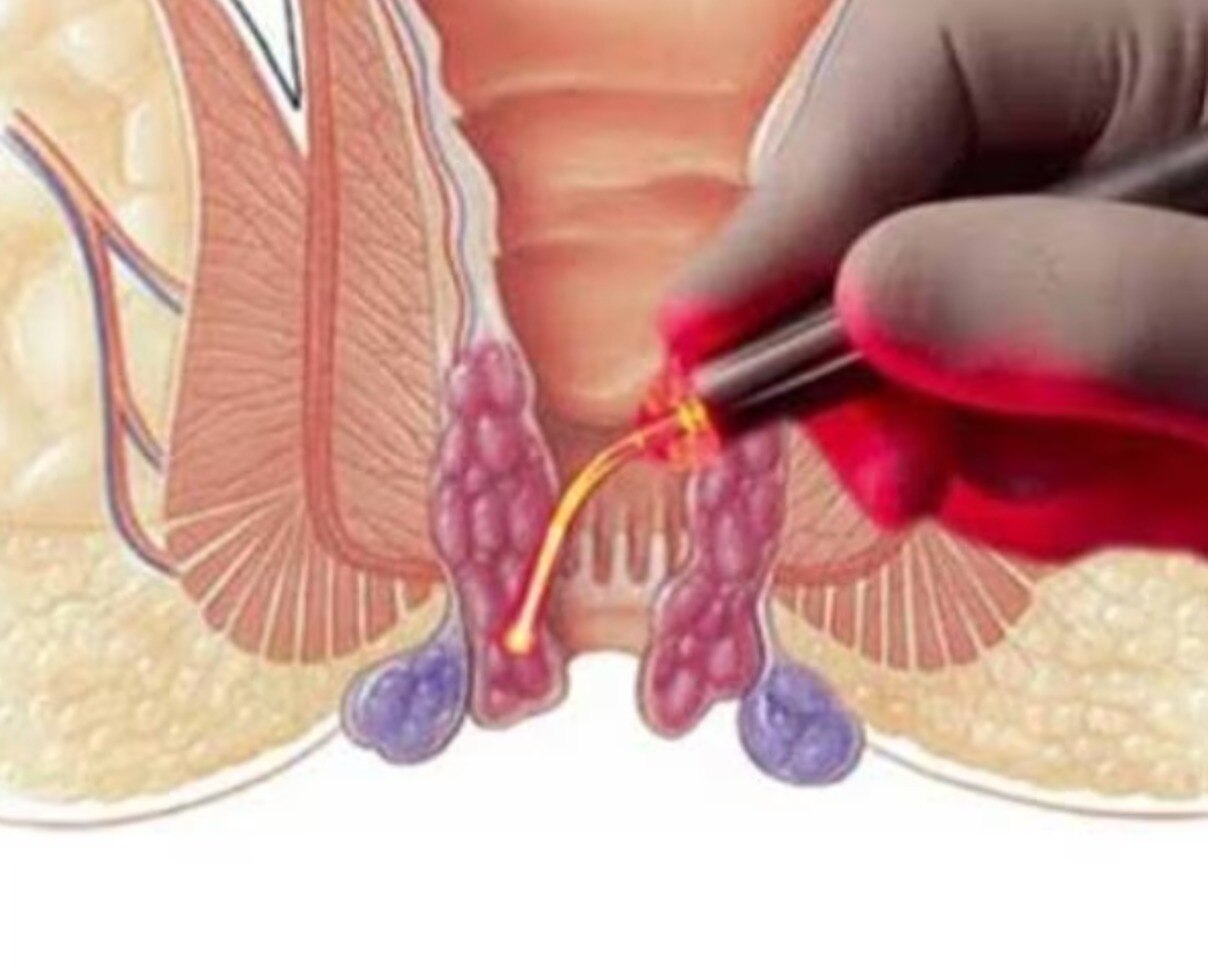
Pain after piles treatment can be part of normal wound healing, but pain that intensifies, changes character or comes with fever, swelling or discharge needs reassessment. You will learn how recovery differs by procedure, which symptoms suggest another diagnosis or a complication, and what to record before contacting a surgeon.
Key takeaways
- Pain after excisional haemorrhoidectomy often improves gradually over 2–4 weeks.
- Fever, heavy bleeding, urinary retention, or worsening pain needs prompt medical review.
- Follow prescribed pain relief, warm baths, fluids, fibre, and stool-softening advice.
- Choose a doctor who explains recovery, warning signs, and follow-up options.
How long should pain last after each piles procedure?
Excisional haemorrhoidectomy leaves an open wound, so pain during bowel movements and while sitting is common for the first several days. Recovery often takes 2–4 weeks; the important sign is gradual improvement, not immediate comfort.
| Option | Typical pain course | What to expect |
|---|---|---|
| Excisional haemorrhoidectomy | Strongest early pain | Open-wound pain often improves over 2–4 weeks |
| Rubber-band ligation | Pressure or dull ache for several days | Bleeding can occur when tissue separates around days 7–10 |
| Infrared coagulation or sclerotherapy | Usually mild recovery pain | Increasing pain is not routine |
| Stapled haemorrhoidopexy or MIPH | Less early pain in selected patients | Neither procedure is automatically pain-free |
| Laser treatment | Less tissue injury in some cases | Reduced injury does not guarantee no pain |
| Anal-fissure treatment | Pain can continue after treatment | Sphincter spasm and hard stools can maintain pain |
A painless piles surgery in Vikhroli is a misleading expectation. The useful question is whether the procedure, pain plan and recovery time fit your examination findings. If pain is not trending downward, becomes severe, or returns after initial improvement, seek persistent piles pain treatment rather than assuming the piles remain.
An anal fissure, muscle spasm, thrombosis, infection or wound problem can produce similar pain, so reassessment matters.
What can cause piles pain to persist or get worse?
Pain after piles treatment does not prove that piles remain. Constipation, hard stools, diarrhoea, straining, prolonged sitting and heavy lifting can irritate or reopen a healing wound. An anal fissure can hurt after hard stool, while pelvic-floor or anal-sphincter spasm can keep pain going.
| Cause | Clues | Why it matters |
|---|---|---|
| Bowel irritation | Pain after stool or repeated wiping | Hard stool, diarrhoea and straining can delay healing |
| Fissure or muscle spasm | Sharp pain or tightening | Treatment differs from haemorrhoid treatment |
| Thrombosed external haemorrhoid | Sudden, tender lump | It may need separate assessment |
| Wound irritation or infection | Increasing tenderness, discharge or redness | The wound may need direct treatment |
| Urinary retention | Difficulty passing urine or lower-abdominal pressure | Catheterisation may be necessary |
| Perianal abscess | Constant or throbbing pain with fever, swelling, redness, pus or feeling unwell | Seek prompt examination and drainage; antibiotics alone are usually not enough |
Surgery removes existing haemorrhoidal tissue but does not remove constipation, straining, diarrhoea, heavy lifting or other causes of raised anorectal pressure. Haemorrhoids can recur, but recurrent bleeding should not automatically be called piles; the original diagnosis may have been wrong.
A piles treatment after surgery plan should begin with reassessment, not another procedure. Examination may include inspection, digital rectal examination, anoscopy or proctoscopy. If pain prevents an adequate examination, examination under anaesthesia may be needed.
Which symptoms mean you need urgent medical review?
A dull ache that is steadily improving can fit normal healing. Contact your treating clinician urgently for rapidly worsening pain, heavy or persistent bleeding, dizziness or fainting, fever, increasing swelling, redness, pus, or new throbbing pain.
Severe symptoms should not wait for a routine appointment with a piles doctor for persistent pain after surgery in Vikhroli.
- Seek urgent advice if you cannot pass urine. Urinary retention after anorectal surgery may require catheterisation; do not manage it by repeatedly straining.
- Seek urgent advice for abdominal distension, or inability to pass stool and gas.
- A new constant, throbbing pain with fever, swelling, redness or pus can indicate an abscess and needs examination.
Keep a pain diary before review: record your 0–10 pain score, time of day, relation to bowel movements or sitting, bleeding amount and colour, temperature or fever, discharge, stool consistency, ability to urinate, medicines taken and the relief each medicine provides. Bring it with your discharge summary, procedure name and medicine list.
| Pattern | What it suggests | Action |
|---|---|---|
| Improving dull ache | Expected recovery trend | Continue the prescribed plan and monitor |
| Worsening or throbbing pain | Complication or another diagnosis | Contact the treating clinician urgently |
| Heavy bleeding, faintness or retention | Potential emergency | Seek immediate medical care |
What can you safely do at home while the wound heals?
Take prescribed analgesics exactly as directed. If pain remains difficult to control, ask the surgeon about alternatives before stopping the medicine, especially opioids, which can worsen constipation.
1. Follow the prescribed stool-softener or laxative plan, drink adequate fluids, and increase fibre gradually. A sudden increase can cause bloating. Severe constipation, inability to pass stool and gas, or suspected impaction needs clinician-directed treatment; fibre alone may not clear it.
2. Clean the area gently with water and avoid vigorous rubbing. Use a warm sitz bath only after the surgeon approves it. It may ease discomfort, but it cannot diagnose or treat an abscess.
3. Do not self-start antibiotics, laxatives, steroid creams, antiseptics, or numbing products. Do not strain, sit on the toilet for long periods, or repeatedly push through a bowel movement. Diarrhoea also irritates a healing wound, so report persistent loose stools.
These measures support comfort and recovery; they are not a substitute for examination. Persistent piles pain treatment needs review when pain is worsening rather than gradually improving, or when fever, increasing swelling, redness, pus, heavy bleeding, dizziness, or a new throbbing pain appears. Seek prompt care for urinary retention or abdominal distension.
How should you choose a piles doctor in Vikhroli for ongoing pain?
Choose a piles doctor in Vikhroli by the quality of the consultation, not by the word “painless.” A suitable clinician should inspect the area and consider an anal fissure, abscess, thrombosis, wound irritation, muscle spasm or a non-anorectal cause before recommending another piles procedure.
Ask these questions:
- Which procedure was performed, and what pain pattern does it normally cause?
- Does my current pain match the expected recovery curve, or is it worsening abnormally?
- Do I need inspection, digital rectal examination, anoscopy or proctoscopy?
- If pain prevents examination, would examination under anaesthesia be appropriate?
- Which analgesic, stool-softening or bowel regimen should I follow?
- How will you assess recurrence instead of assuming every symptom is piles?
- Whom should I contact after hours if symptoms change?
| Consultation feature | Reassuring sign | Warning sign |
|---|---|---|
| Treatment explanation | Names the procedure and expected recovery | Promises painless or risk-free recovery |
| Assessment | Examines before suggesting treatment | Repeats the procedure without examination |
| Follow-up | Gives review timing and an emergency contact | Provides no after-hours pathway |
For someone comparing a piles doctor in Vikhroli, ChirayuHealthcare Polyclinic&Diagnostics can provide local surgical consultation and diagnostic assessment, including review of persistent postoperative symptoms. The useful value is access to examination, an explained plan and follow-up guidance.
Improving pain can be monitored with the prescribed plan; worsening pain, fever, pus, heavy bleeding or urinary retention needs prompt medical review.
Related products
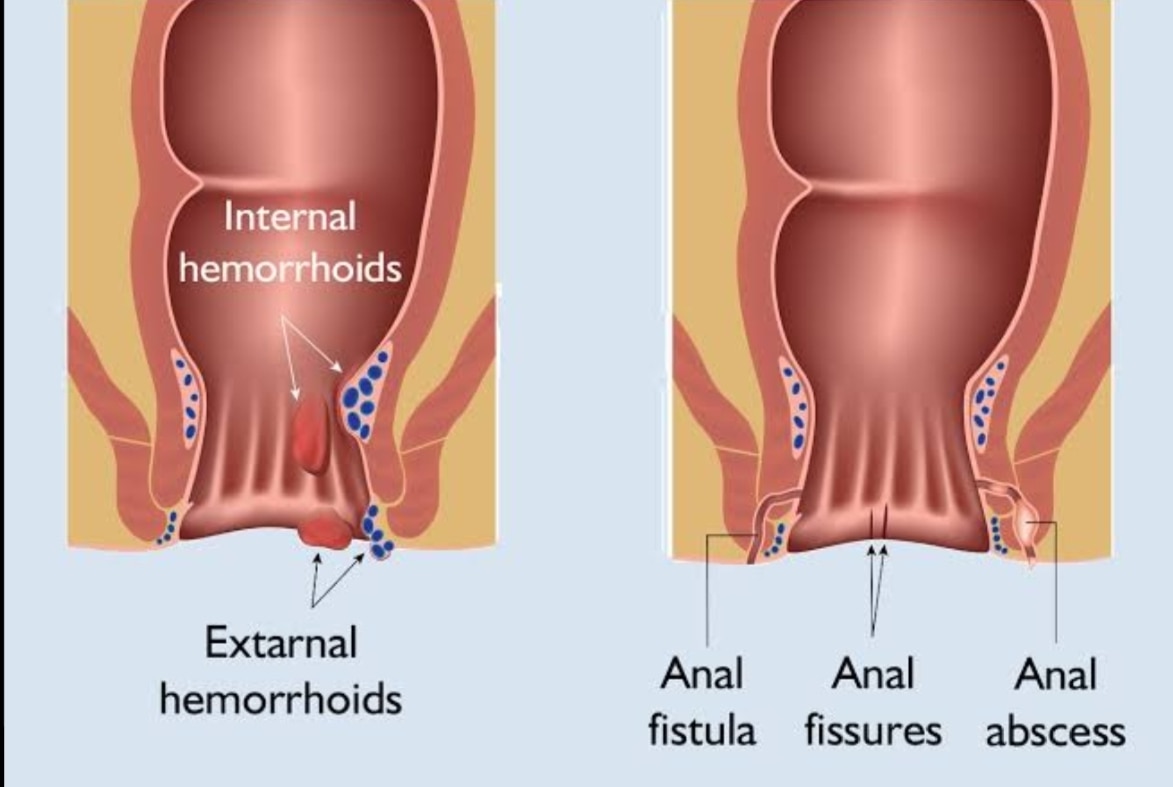 | Proctology Painless piles surgery, Miph, Suture Rectopexy, laser treatment of piles Piles one of the most common cause of Bleeding in motion area. All bleeding needs to be consulted by surgeon to rule out malignancy. View product → |
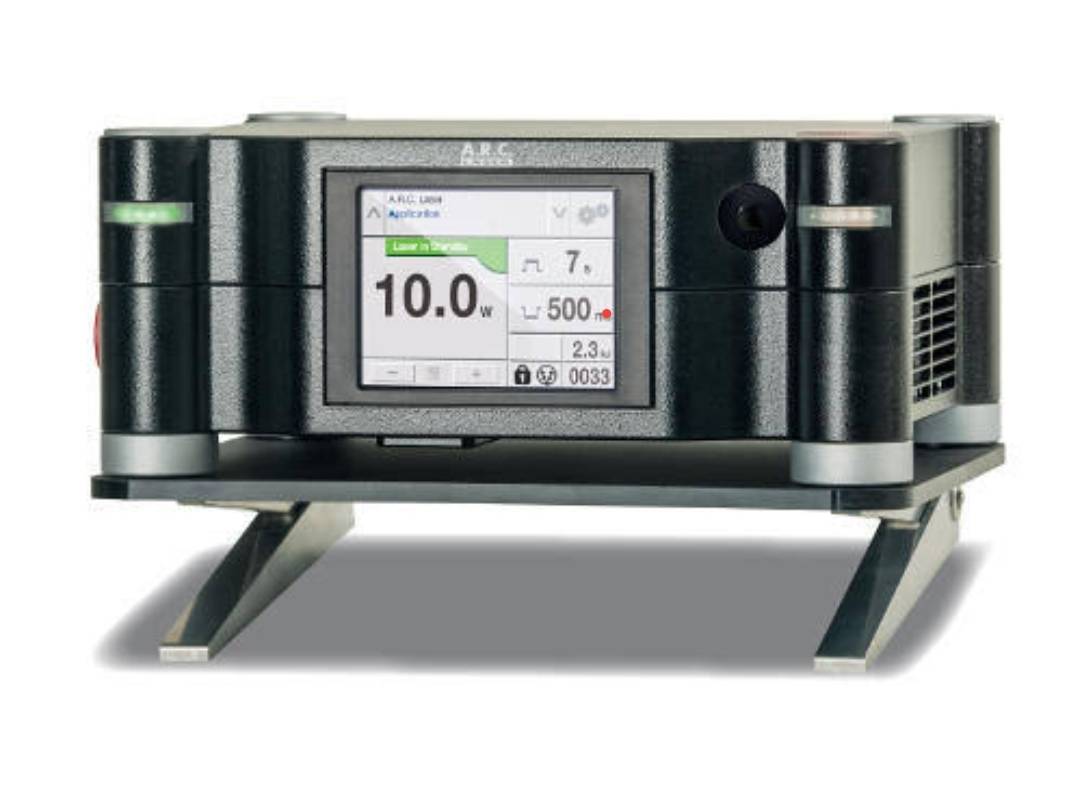 | Laser Piles Laser Fissure Surgery Laser Piles Surgery, Laser Fissure Surgery We are specialized in Laser Treatment of Fissure and Piles, It is one of the most Innovative and Painless Treatment of Piles & Fissures View product → |
Frequently asked questions
How long should piles pain last after surgery?
After an excisional haemorrhoidectomy, pain during bowel movements and sitting is common for several days, with recovery often taking 2–4 weeks. Pain should gradually improve rather than worsen.
Why can piles pain persist or get worse after treatment?
Constipation, hard stools, wound irritation, infection, urinary retention, an anal fissure, or recurrent haemorrhoids can cause ongoing or worsening pain. A doctor needs to examine the cause.
Which symptoms need urgent medical review after piles treatment?
Seek urgent medical care for heavy or persistent bleeding, fever, increasing swelling, pus, severe worsening pain, inability to pass urine, dizziness, or fainting.
What can you do at home while a piles wound heals?
Take prescribed medicines, keep stools soft as advised, drink fluids, eat fibre, avoid straining, and use warm sitz baths if your clinician recommends them.
How should you choose a piles doctor in Vikhroli for persistent pain?
Choose a doctor who examines the wound, explains whether you need persistent piles pain treatment, discusses procedure options, and provides clear follow-up and emergency instructions.
Related service
Morvyat we are specialized in Painless morvyat- piles surgery View service → |