Choosing appendectomy is not a decision based on a raised white-cell count or one scan finding alone. By weighing the type of appendicitis, the risks of delay, the reliability of antibiotic treatment and the trade-offs of each operation, you can understand when appendix removal offers the more predictable path to recovery.
Key takeaways
- Perforation, abscess, sepsis or worsening symptoms favour urgent surgery.
- Antibiotics-first treatment suits selected uncomplicated cases after imaging and surgical review.
- Laparoscopic appendectomy usually means smaller incisions and faster recovery than open surgery.
- Ask how recurrence, complications, anaesthesia and recovery time affect your decision.
How an Appendix Surgeon Decides Whether Appendicitis Needs Surgery
An appendix surgeon bases the appendectomy decision on the whole picture, not a raised white-cell count. Right-lower-abdominal pain, fever, vomiting, guarding or rebound tenderness increase suspicion; blood tests add evidence of inflammation, while pulse, blood pressure, hydration and alertness show how ill you are.
A high white-cell count alone can occur with other infections and does not prove appendicitis or determine when appendectomy is worth choosing.
Ultrasound is useful when avoiding radiation matters. CT often gives adults a clearer view of an appendicolith, perforation, abscess and inflammation spreading beyond the appendix.
- Uncomplicated appendicitis means inflammation without perforation, diffuse peritonitis, abscess or uncontrolled infection.
- Complicated appendicitis includes a ruptured appendix, gangrene, abscess, phlegmon, diffuse peritonitis or sepsis.
- An appendicolith deserves separate attention because it raises the chance that antibiotics-first treatment will fail and can signal more complicated disease.
A stable patient with uncomplicated disease can often have laparoscopic appendectomy within 24 hours rather than undergoing immediate overnight surgery. Deterioration, worsening pain, spreading infection, sepsis or suspected perforation changes the timetable and makes urgent source control more important.
When Immediate Appendix Removal Is Safer Than Waiting
Immediate appendix removal is safer when the infection is escaping local control or the patient is becoming systemically unwell. The appendectomy decision should favour urgent source control for these findings:
| Finding | Why waiting is risky | Usual priority |
|---|---|---|
| Suspected perforation or gangrene | Bacteria and infected fluid can enter surrounding tissues | Prompt drainage or appendectomy |
| Pus spreading through the abdomen or diffuse peritonitis | Infection is no longer contained | Emergency source control |
| Worsening or migrating pain, rising illness severity or sepsis | Deterioration signals treatment failure or organ threat | Urgent operation and intravenous antibiotics |
| Bowel obstruction or an uncontrolled infection | Blockage and ongoing contamination will not resolve reliably with antibiotics alone | Surgical assessment without delay |
Antibiotics cannot replace drainage when an abscess remains infected, or removal when a ruptured appendix continues contaminating the abdomen. Delay can turn a planned operation into emergency deterioration, a longer admission or more extensive surgery.
A stable patient with a well-contained appendiceal abscess or phlegmon may instead receive antibiotics and image-guided percutaneous drainage. After the infection settles, the surgeon makes an individual decision about delayed surgery based on anatomy, recurrence risk and local expertise.
A drain after appendectomy is not automatically helpful. Routine drains can prolong hospitalisation and cause pain, blockage, infection or other drain-related problems; a surgeon may still place one beside a residual collection or after difficult source control.
The appendix removal benefits include eliminating the infected source and providing a defined perioperative recovery. For uncomplicated disease, stable patients can often have laparoscopic surgery within 24 hours rather than overnight emergency surgery.
When Antibiotics-First Treatment Is a Reasonable Appendicitis Surgery Option
Adults may consider antibiotics-first treatment only when CT or ultrasound confirms uncomplicated appendicitis, there is no appendicolith, abscess, perforation or diffuse peritonitis, and they can reliably return for review. This is where an appendix surgeon decides when appendectomy is worth choosing among the available appendicitis surgery options.
| Choice | Immediate laparoscopic appendectomy | Antibiotics first |
|---|---|---|
| Benefit now | Removes the infected appendix and avoids recurrence from that appendix | Avoids anaesthesia and an operation now |
| Cost or risk | Operative pain, anaesthesia risks and recovery | Medication, observation for treatment failure, possible readmission and later recurrence |
| What the evidence shows | A defined perioperative recovery | CODA: 29% had appendectomy by 90 days; 41% with an appendicolith versus 25% without. APPAC: 39.1% had recurrence within five years |
Antibiotics are not a guaranteed cure. Reassess promptly if pain or fever returns; worsening symptoms can require urgent appendectomy. Surgery may suit someone who wants to minimise recurrence risk, while non-operative care can suit someone with substantial anaesthetic or surgical risk when follow-up is dependable.
A previously treated appendiceal abscess does not automatically require interval appendectomy in every younger adult; observation is reasonable unless symptoms recur. Adults aged 40 or older need follow-up colon evaluation and contrast CT because an appendiceal or colonic tumour can occasionally mimic an abscess.
Comparing Open, Laparoscopic and Single-Incision Appendectomy
Laparoscopic appendectomy is usually preferred when surgery is needed, but the smallest scar is not automatically the safest choice. The central goal is source control: remove the diseased appendix or manage infection effectively, then minimise wound infection, pain and recovery time.
| Option | What it involves | Main advantages and trade-offs |
|---|---|---|
| Open appendectomy | One incision in the lower right abdomen | Direct access can help with severe inflammation, perforation or difficult anatomy, but it usually causes more pain, more wound infections, a longer hospital stay and slower return to activity than laparoscopy. |
| Conventional laparoscopy | A camera and instruments through several small abdominal ports | It generally means less pain, fewer wound infections, shorter hospitalisation and faster return to normal activity. It requires general anaesthesia and the surgeon may convert to an open operation if visibility or safe source control becomes difficult. |
| Single-incision laparoscopy (SILS) | Instruments enter through one incision, usually at the umbilicus | Scar appearance may improve, but restricted visibility and instrument movement can make dissection harder. Obesity, severe inflammation, an abscess or perforation may make extra ports or open surgery more practical. |
SILS is therefore an appendicitis surgery option, not a guaranteed upgrade. A surgeon’s SILS experience affects instrument handling and the threshold for adding ports or changing approach; preserving safety matters more than maintaining one incision.
ChirayuHealthcare Polyclinic&Diagnostics in Vikhroli can provide a setting to discuss the scan, examination findings, available approaches and whether surgical assessment is appropriate. Ask how each option affects the appendix removal benefits you value, including infection control, scar appearance and predictable recovery.
Related products
 | Appendectomy Appendectomy |
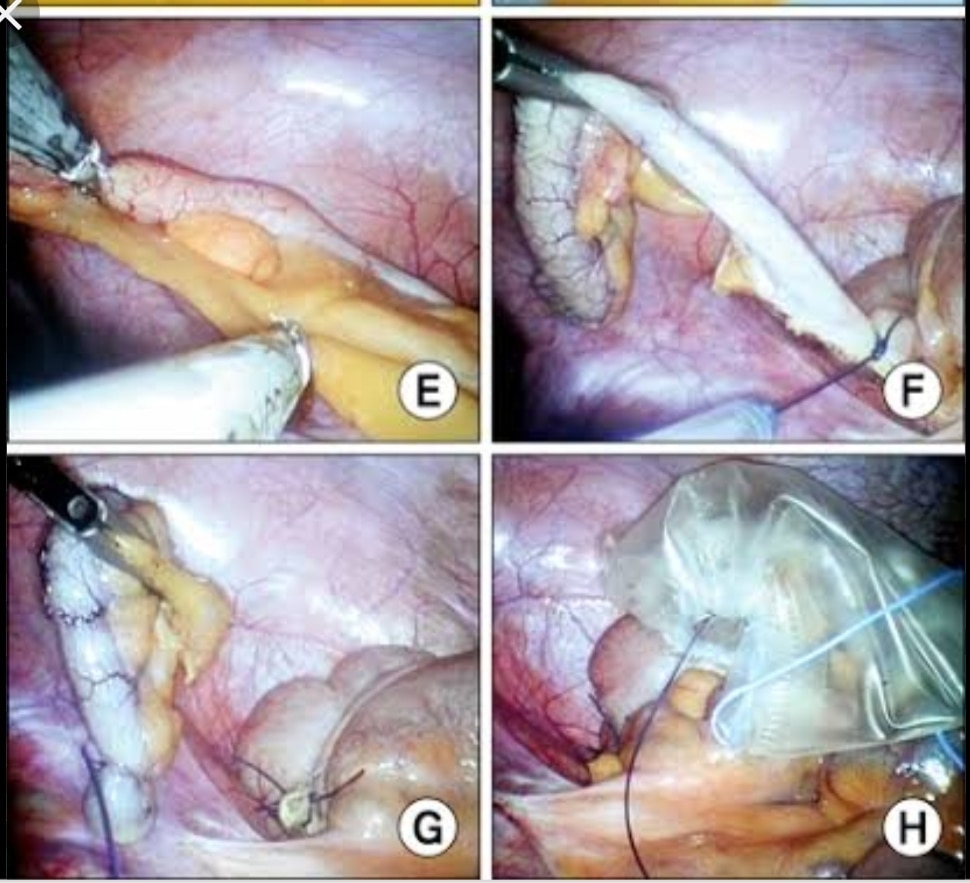 | Sils SILS/Scarless Appendectomy (Single incision laparoscopic Appendectomy) SILS Appendectomy is an advanced minimal invasive surgery in which surgery is done exclusively through single incision instead of 3 incisions in... View product → |
What You Gain and Risk by Choosing Appendectomy
When appendectomy is worth choosing depends on whether definitive source control outweighs operative risk. Appendix removal benefits include essentially eliminating another appendicitis episode from that appendix and treating rupture or infection when source control is required.
| Choice | Main benefit | Main cost or risk |
|---|---|---|
| Appendectomy | Removes the diseased appendix; controls rupture or infection | Anaesthetic complications, bleeding, infection, injury or clots |
| Antibiotics-first | Avoids an operation and anaesthesia initially | Treatment failure, readmission and recurrent appendicitis |
The appendectomy decision must include general-anaesthesia complications, bleeding, wound or intra-abdominal infection, bowel or nearby-organ injury, blood clots and postoperative pain. An uncomplicated laparoscopic operation often permits discharge the same day or after one night; complicated disease can require a longer recovery.
Take these questions to your appendix surgeon:
- Is the disease uncomplicated or complicated?
- Is there an appendicolith, abscess or perforation?
- Why is surgery preferred over antibiotics for me?
- Which approach is recommended, and when would you add ports or convert to open surgery?
- What symptoms require urgent return after discharge?
A normal-looking appendix does not always explain the pain. The surgeon may inspect the terminal ileum and other organs, while pathology examination of the removed appendix can identify an unexpected tumour or other disease.
Frequently asked questions
How does an appendix surgeon decide whether appendicitis needs surgery?
The decision combines symptoms, abdominal examination, blood tests, vital signs and imaging such as an ultrasound or CT scan. A raised white-cell count alone does not determine treatment.
When is immediate appendix removal safer than waiting?
Urgent appendectomy is usually considered when the appendix has perforated, infection is spreading, sepsis is suspected, pain or examination findings are worsening, or an abscess cannot be managed safely without drainage or surgery.
When is antibiotics-first treatment a reasonable appendicitis option?
Antibiotics-first treatment may suit selected patients with uncomplicated appendicitis confirmed by imaging, without perforation, abscess, widespread infection or an obstructing appendicolith. Follow-up is essential because appendicitis can return or fail to resolve.
How do open, laparoscopic and single-incision appendectomy compare?
Laparoscopic surgery uses several small incisions, while open surgery uses one larger incision. Single-incision laparoscopy uses one access point but is not suitable for every patient. The surgeon chooses based on inflammation, previous operations, anatomy and safety.
What are the benefits and risks of appendectomy?
Appendectomy removes the inflamed appendix and prevents recurrent appendicitis from that appendix. Risks include infection, bleeding, injury to nearby organs, anaesthesia problems, blood clots and a longer recovery when complications or open surgery are needed.