Pain, drainage, bleeding and difficult bowel movements can be unsettling after fistula surgery, but some are part of normal healing while others need prompt assessment. You will learn how recovery changes by procedure, how to care for the wound and bowels, which symptoms are urgent, and what to ask before choosing treatment.
Key takeaways
- Expect the most pain during the first two to three days.
- Use prescribed pain relief and keep the area clean after bowel movements.
- Seek same-day help for fever, worsening pain, heavy bleeding or urinary retention.
- Persistent drainage or an opening that fails to close needs surgical review.
What Fistula Surgery Recovery Looks Like in the First Few Weeks
Pain and tenderness are usually strongest during the first two to three days after fistula surgery. Bowel movements can sting, and light bleeding or drainage is common because many wounds remain open to heal from the inside out.
Use prescribed pain medicine exactly as directed, clean with lukewarm water, take sitz baths if advised, and replace gauze or the prescribed dressing.
By days four to seven, discomfort should start easing, although sitting and bowel movements may remain awkward. During weeks two and three, drainage usually reduces, but healing still takes time. A loose seton can drain for weeks or months while inflammation settles, and treatment may be staged.
- Walk gently and increase activity as comfort allows.
- Return to desk work when you can sit, manage pain without impairing medicine, and reach a toilet; some people need several days, others longer.
- Avoid heavy lifting, cycling, running and strenuous exercise until the surgeon permits them.
- Keep surrounding skin clean and dry; do not scrub the wound.
| Procedure | Typical recovery pattern | Main consideration |
|---|---|---|
| Fistulotomy | Open wound heals over several weeks | Suitable low tracts heal from inside out; higher tracts risk continence damage |
| Loose seton | Ongoing drainage for weeks or months | Primarily controls drainage and may precede another operation |
| LIFT | Small wounds with variable healing | Protects sphincter muscle but can need follow-up treatment |
| Advancement flap | Protected internal repair with its own wound-healing demands | Recovery timing is less predictable |
Your operating surgeon’s instructions override generic fistula surgery recovery advice, especially for dressings, bathing, medicines, lifting and work.
How Bowel Movements and Wound Care Affect Healing
After each bowel movement, clean the operative area gently to remove stool without scraping the healing tissue. This reduces pain and protects an open wound from irritation.
- Wash with lukewarm water; avoid rubbing with dry toilet paper.
- Use a sitz bath only if your surgeon has advised it, and follow the recommended water temperature and duration.
- Pat the area dry with clean gauze or a soft towel.
- Replace clean gauze or the prescribed dressing.
- Keep the surrounding skin dry, changing damp underwear or gauze promptly.
Fibre-rich foods, adequate fluids and any prescribed stool softener help prevent hard stools. Avoid straining. Do not start a laxative without checking the operation-specific plan, because the safest approach differs between fistulotomy, seton placement, LIFT and advancement-flap surgery.
Repeated loose stools can also irritate the wound and delay comfort. Contact the surgical team if diarrhoea persists instead of treating yourself with an unfamiliar medicine.
Take pain relief exactly as prescribed. Check labels before combining medicines: two products containing paracetamol can cause an accidental overdose. Avoid anti-inflammatory medicines when your surgeon has contraindicated them, and remember that opioid painkillers can cause constipation.
Plan for dressing supplies, extra hygiene after bowel movements, follow-up visits and time away from work. These practical costs form part of recovery, even when the operation itself is completed.
Which Recovery Problems Need Same-Day Help?
Light spotting, moderate discomfort and drainage that gradually reduces are usually part of healing, especially when the wound remains open or a seton is draining. The pattern matters: worsening pain, swelling or discharge is not routine recovery.
| Finding | What it suggests | Action |
|---|---|---|
| Fever, chills, spreading redness, foul pus with feeling unwell, or rapidly increasing pain | Infection, cellulitis or an abscess | Contact the operating team the same day |
| New pressure, swollen lump or escalating pain, even after drainage suddenly decreases | A recurrent abscess may be trapped beneath the wound | Contact the operating team the same day |
| Heavy or persistent bleeding, inability to urinate, persistent vomiting, or inability to pass stool or gas | A potentially serious fistula treatment complication or obstruction | Seek emergency assessment |
Call the surgical team the same day for any concerning change, including pain that is not controlled by prescribed medicine. Go to emergency care for severe bleeding, complete urinary retention, severe systemic illness or obstruction symptoms; do not wait for a routine appointment.
Drainage alone does not prove infection. Uncomplicated postoperative drainage does not automatically require antibiotics, and antibiotics cannot replace opening and draining an abscess. They are used when the clinician finds cellulitis, systemic infection, immunosuppression or another specific indication. Keep your follow-up appointment even if symptoms settle, because recurrence can be intermittent.
When Drainage, Leakage or a Non-Healing Opening Signals a Bigger Problem
Drainage alone does not prove that fistula surgery has failed. An open fistulotomy wound can discharge while it heals from inside out, and a loose seton can drain for weeks or months.
Delayed healing is different from recurrence: an external opening that remains after the expected healing period, renewed pus, repeated swelling or another abscess needs examination for a residual tract, missed internal opening or branching disease.
Report wound breakdown, foul discharge, increasing redness, fever or worsening pain. Also report urgency, gas leakage, stool leakage, soiling or new difficulty delaying a bowel movement; do not assume these symptoms are piles or a fissure. They can indicate impaired continence, infection or injury to the sphincter mechanism.
Searches for fistula recovery problems in vikhroli should lead to clinical review, not self-diagnosis.
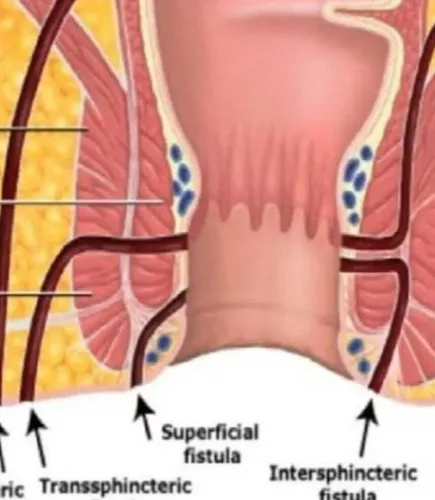
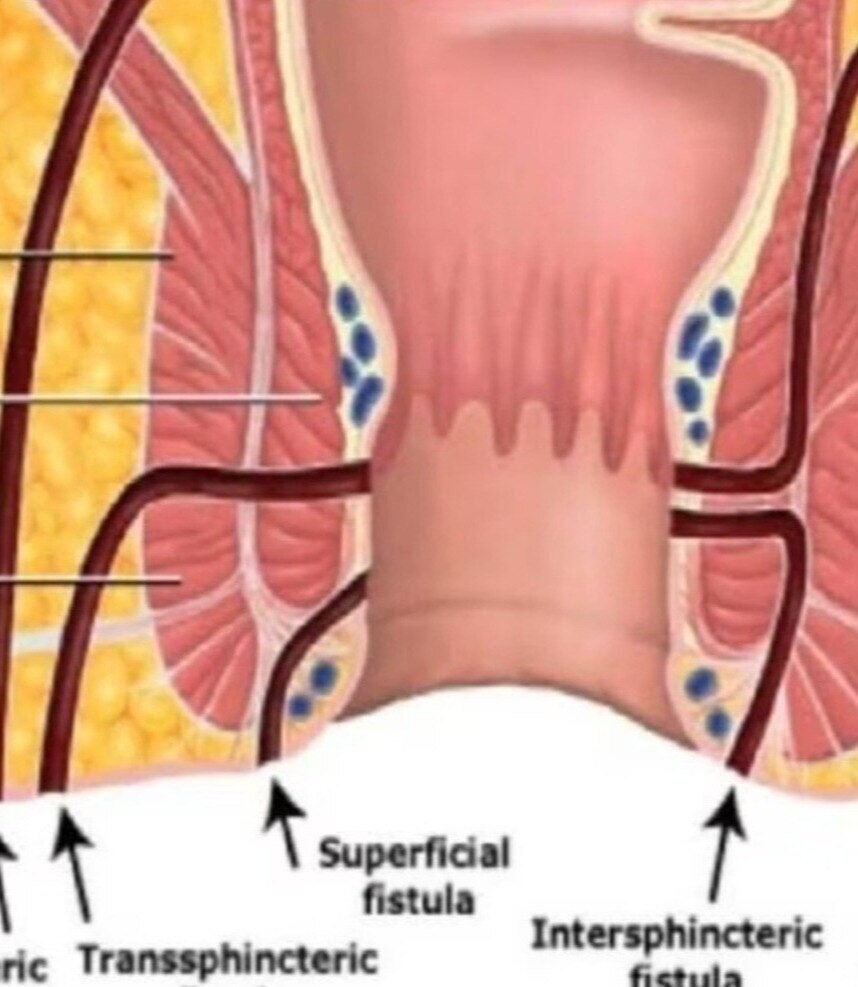
Anatomy determines the trade-off. A fistulotomy suits a selected low, simple tract, but dividing substantial sphincter muscle can threaten bowel control. A draining or staged seton, LIFT or advancement flap may protect that muscle while bringing less predictable healing and possible repeat procedures.
Baseline leakage, previous anal surgery, obstetric injury, Crohn’s disease and recurrent disease must change the discussion.
For uncertain, recurrent or complex disease, a pelvic MRI or examination under anaesthesia can identify a hidden opening or branching tract; neither test is automatic for every straightforward case. A surgeon should document continence before choosing treatment, because repeated surgery without addressing Crohn’s disease or sepsis can worsen healing and control.
How to Compare Surgeons, Procedures and Follow-Up Plans in Vikhroli
Verify the surgeon’s anorectal experience, sphincter assessment and follow-up system before agreeing to treatment. Record your baseline control of gas and stool, including leakage, urgency or soiling; prior anal surgery, obstetric injury, Crohn’s disease and recurrent fistulas affect continence risk.
Ask these questions at the consultation:
- What exact operation is proposed?
- How much sphincter muscle does the tract cross?
- Why does fistulotomy fit this anatomy, or why is a seton, LIFT or advancement flap safer?
- How long should drainage last?
- What is my continence risk?
- Could treatment require staged procedures?
- What is the plan if the fistula recurs?
- When are follow-up visits scheduled, and who answers urgent calls after hours?
- Is the diagnosis based on examination alone? When would pelvic MRI, endoanal ultrasound or examination under anaesthesia change management?
| Option | Main trade-off | Typical reason to discuss |
|---|---|---|
| Fistulotomy | Opens a low tract but divides involved muscle | Simple, low fistula |
| Seton, LIFT or advancement flap | Protects muscle but may need staged care and heal less predictably | Substantial sphincter involvement |
Crohn’s-related fistulas need inflammatory bowel disease assessment and medical treatment, not repeated surgery alone. Seek a second opinion for uncertain diagnosis, recurrence, existing continence problems or an operation that ignores sphincter risk.
For anyone searching “best general surgeon in Vikhroli” or “best general surgeon fistula recovery problems in Vikhroli,” documented follow-up and imaging or hospital access matter more than location or an unqualified claim. Consider ChirayuHealthcare Polyclinic&Diagnostics only after checking those details.
Related service
Fistula Surgery we are specialized in complex fistula surgeries View service → |
Frequently asked questions
What does fistula surgery recovery look like in the first few weeks?
Pain and tenderness usually peak during the first two to three days. Light bleeding or drainage can occur while an open wound heals from the inside out, but symptoms should gradually improve.
How do bowel movements and wound care affect fistula healing?
Bowel movements can sting and irritate the wound. Follow your surgeon’s instructions for pain relief, stool-softening treatment, cleaning and dressing changes, and avoid straining.
Which recovery problems need same-day medical help?
Contact your surgeon the same day for fever, rapidly worsening pain or swelling, heavy bleeding, foul-smelling pus, inability to pass urine, or feeling acutely unwell.
When can drainage, leakage or a non-healing opening signal a bigger problem?
Persistent or increasing drainage, repeated leakage, a new lump, worsening pain, or an opening that does not progressively heal can indicate infection, recurrent fistula or another complication requiring examination.
How should you compare surgeons and follow-up plans in Vikhroli?
Ask which fistula procedure is appropriate, how it protects the anal sphincter, what wound-care plan you will follow, who handles complications, and when follow-up examinations occur.