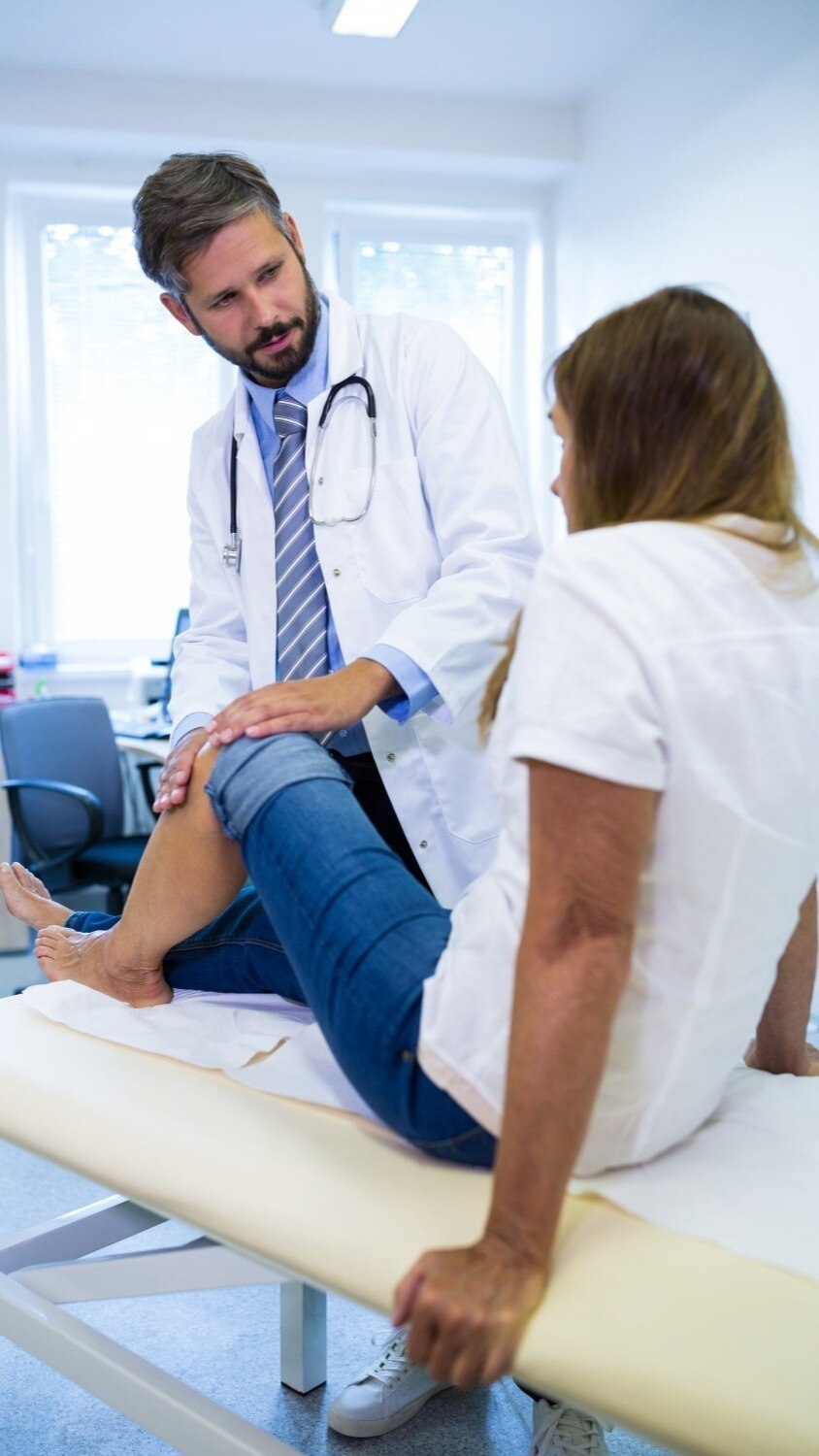
Laser varicose vein surgery is usually an outpatient procedure performed through a needle-sized access point rather than a large incision. You will learn how the specialist confirms that endovenous laser ablation suits your vein, what happens from arrival through discharge, which sensations and side effects to expect, and when a symptom needs urgent attention.
Key takeaways
- Duplex ultrasound must confirm reflux before laser ablation is considered.
- Expect local anaesthetic, catheter placement, laser treatment and compression dressing.
- Walk soon after treatment, but follow restrictions on strenuous activity.
- Report increasing pain, swelling, redness, fever or breathlessness promptly.
How the specialist decides whether laser ablation suits you
Laser ablation is considered after duplex ultrasound confirms that faulty valves are causing venous reflux. The scan identifies the leaking superficial vein, its junctions with deeper veins, the deep-vein patency and a safe access route. It also maps tributaries that may need separate treatment.
During consultation, the specialist reviews aching, swelling, heaviness, itching, skin colour changes, ulcers, previous vein procedures, blood-clot history, medicines and allergies. The examination includes vein size, skin condition and circulation. Pregnancy, active skin infection, severe arterial disease, poor general health or an inability to walk after treatment can change the plan.
What happens during laser varicose vein surgery with a specialist in Vikhroli begins with this assessment, not with the laser. The specialist marks the target vein using ultrasound and decides whether its diameter, shape and location allow safe catheter access.
A very winding vein, an inaccessible segment or reflux arising from another source can make foam sclerotherapy or surgery more suitable.
| Treatment decision | What the findings mean | Likely approach |
|---|---|---|
| Confirmed truncal reflux with suitable access | A superficial main vein is leaking and the deep veins are open | Endovenous laser ablation is usually considered first |
| Laser access unsuitable or anatomy is unsuitable | The vein cannot be safely reached or treated along its length | Ultrasound-guided foam sclerotherapy may be considered |
| Laser and foam unsuitable | Anatomy, recurrence or other medical factors limit both options | Surgical treatment may be discussed |
The specialist also checks whether symptoms match the scan. Laser closes the abnormal vein; it does not prevent new veins from developing elsewhere.
The laser varicose vein surgery steps from arrival to dressing
You usually arrive, change into the provided clothing, and have the treatment leg examined while standing or lying down. The specialist reviews the duplex ultrasound map, marks the refluxing vein, checks the access site, and confirms the plan before sterile preparation.
The laser varicose vein surgery steps are:
1. You lie on the treatment table while the skin is cleaned and covered with sterile drapes. The procedure is usually performed as an outpatient with local anaesthetic.
2. Using ultrasound, the specialist punctures the vein through a small needle entry. A guidewire and catheter pass through this opening, allowing the laser fibre to reach the planned position.
3. Several small injections of tumescent fluid are placed around the vein. This numbs the area and forms a protective cushion between the heated vein and nearby skin and nerves.
4. The fibre delivers controlled laser energy as it is slowly withdrawn. Heat damages the vein’s inner lining, causing the treated segment to seal and collapse rather than remain open.
5. Ultrasound confirms the treated segment and checks nearby deep veins. The fibre and catheter are removed, and the small entry site receives a dressing or bandage.
You can usually walk shortly afterward and return home the same day, provided you feel well and the specialist finds no reason to observe you longer. Arrange transport if your clinic advises it, and follow its instructions about walking, driving and compression garments.
What the procedure feels like and how it compares with other treatments
You are usually awake during this varicose veins specialist procedure. Local anaesthetic numbs the treatment area, but the small injections can sting briefly. During laser ablation, expect pressure, pushing, warmth or a pulling sensation as the fibre moves; sharp pain is not expected, so tell the clinician if you feel it.
The table shows how EVLA compares with alternatives:
| Treatment | What happens | Main difference |
|---|---|---|
| Endovenous laser ablation | A fibre delivers heat inside the refluxing vein, sealing it shut | No large incision; blood reroutes through healthy veins |
| Vein stripping | The vein is tied off and physically removed through incisions | More invasive, with more wound discomfort and bruising |
| Radiofrequency ablation | A catheter heats the vein wall with radiofrequency energy | Similar catheter-based treatment and recovery; the energy source differs |
| Foam sclerotherapy | Ultrasound guides medicated foam into the vein, irritating it closed | No thermal fibre; useful when endothermal treatment is unsuitable or for selected tributaries |
| Spider-vein treatment | Surface injections or laser target tiny visible vessels | Treats small cosmetic vessels, not the larger refluxing vein causing many varicose veins |
Laser and radiofrequency treatment both use tumescent anaesthesia, so you may feel repeated needle pricks followed by cool fluid pressure around the vein. Foam can cause brief burning, tightness or cramping. None of these treatments guarantees that new varicose veins will not develop elsewhere.
Laser vein surgery recovery: walking, discomfort and warning signs
After discharge, walk as instructed—often on the same day—and avoid prolonged sitting. Short, frequent walks support circulation; do not turn recovery into bed rest. Follow your clinician’s limits on driving, lifting, bathing and exercise, and wear compression only for the duration prescribed.
Bruising, tenderness, tightness, mild burning, or a firm cord-like track along the treated vein are routine parts of laser vein surgery recovery. These effects usually ease over several days to a few weeks; numb or tingling skin can reflect temporary nerve irritation.
Use only the pain medicine recommended for you, and do not massage the treated area unless told to.
| What you notice | What to do |
|---|---|
| Bruising, mild tenderness or tightness that is improving | Keep walking and follow the discharge plan |
| Bleeding that does not stop after firm pressure | Contact the treating clinic urgently |
| Increasing redness, warmth, swelling, pus or fever | Seek same-day medical assessment |
| New calf swelling, calf pain or one-sided leg swelling | Seek urgent assessment for possible deep-vein thrombosis |
| Chest pain, sudden breathlessness or coughing blood | Call emergency services immediately; these can indicate pulmonary embolism |
| Blistering or marked skin darkening near the treatment area | Contact the treating clinic promptly |
At ChirayuHealthcare Polyclinic&Diagnostics, ask for written instructions stating when to remove the dressing, how long to use compression, and whom to call after hours. Do not ignore worsening pain, a cold or pale foot, or heavy bleeding.
Related product
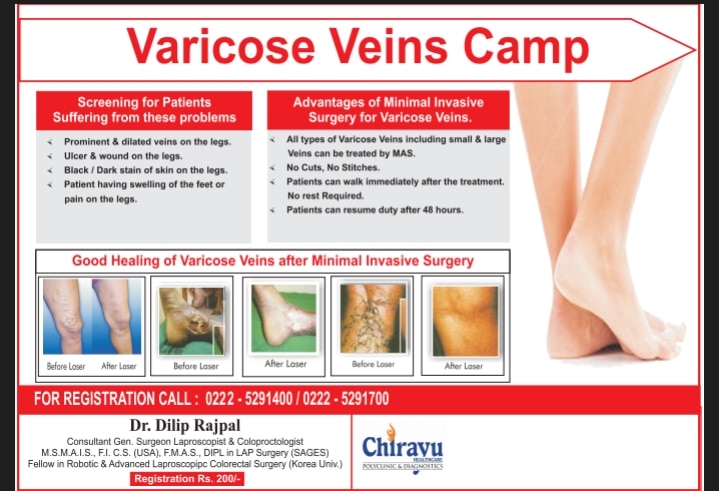 | Laser varicose veins surgery Laser varicose vein surgery is a procedure that uses heat from a laser to reduce varicose veins. View product → |
What follow-up shows about the result
Visible veins can remain after treatment because laser ablation closes the refluxing main vein, not every surface branch. Tributary veins, spider veins and skin discolouration do not disappear immediately, and the cosmetic result can take several weeks to settle.
The laser varicose vein surgery steps may be technically successful even when veins remain visible at first.
Your specialist decides on further treatment based on symptoms, examination and ultrasound findings. Additional procedures are considered when bulging tributaries remain troublesome, the treated vein has not closed, or another vein has developed reflux.
- Persistent aching, swelling or new bulging veins can indicate untreated tributary veins or a different reflux source.
- Foam sclerotherapy or small-incision phlebectomy may treat suitable residual tributaries.
- A repeat procedure is considered only after the specialist identifies the cause, rather than treating appearance alone.
- New varicose veins can develop elsewhere because ablation does not prevent future venous disease.
Follow-up combines a clinical examination with duplex ultrasound when indicated. The scan shows whether the treated segment is closed, whether blood still flows backward, and whether the deep veins remain open. The specialist also checks wounds, tenderness, swelling and symptom improvement.
During laser vein surgery recovery, a firm cord or bruising can be normal; increasing pain, redness, swelling or recurrent symptoms warrants earlier review.
Frequently asked questions
How does a specialist decide whether laser ablation suits you?
A duplex ultrasound checks venous reflux, the leaking superficial vein, junctions, deep-vein patency, access route and tributaries needing treatment.
What are the laser varicose vein surgery steps?
After arrival and consent, the leg is prepared, local anaesthetic is given, a catheter enters the vein, laser energy seals it, and a dressing or compression garment is applied.
What does laser vein surgery feel like?
You may feel needle stings from local anaesthetic, pressure during catheter placement and warmth or pulling as the vein is treated.
What is laser vein surgery recovery like?
Most patients walk soon afterwards. Follow the specialist’s instructions for compression, activity and pain relief, and attend the scheduled review.
What warning signs require medical attention after laser vein surgery?
Contact your clinician for worsening pain or swelling, spreading redness, fever, wound discharge, chest pain or breathlessness.