A little soreness or blood-stained tissue can follow a piles procedure, but worsening pain, repeated bleeding, clots or faintness needs medical attention. You will learn how symptoms usually change over time, what you can do safely at home, and when to contact the operating surgeon or attend an emergency department.
Key takeaways
- Mild soreness, pressure and brief stinging are common during the first 24 hours.
- Seek urgent help for heavy bleeding, clots, dizziness or fainting.
- Prevent constipation with fluids, fibre and the medicines your surgeon prescribed.
- Confirm pain relief, wound care, bowel advice and emergency contact details before treatment.
How much pain is normal after laser piles treatment?
During the first 24 hours, expect soreness, pressure, swelling or brief stinging around the anus, especially while sitting or passing urine. Pain can come from puncture sites, treated tissue, muscle spasm, constipation or an existing fissure.
Take the analgesic prescribed by your surgeon at the stated dose and interval; do not wait for severe pain unless your doctor gave different instructions.
| Stage | What is usually expected | When to seek help |
|---|---|---|
| First 24 hours | Mild-to-moderate discomfort, swelling, pressure or brief stinging | Seek same-day review for severe pain, inability to pass urine, or rapidly increasing swelling |
| First week | Pain gradually becomes easier to manage; bowel movements can briefly worsen it, with a small amount of blood-stained mucus | Contact the surgeon if pain worsens after initial improvement or prevents sleep despite prescribed medicine |
| Any time | A minimally invasive procedure is not pain-free | Get same-day advice for fever, pus-like discharge, chills or increasing redness and swelling |
The expected course depends on whether you had laser hemorrhoidoplasty, laser coagulation or laser-assisted excision, so tell the treating team the exact procedure performed. For anyone searching laser piles surgeon pain bleeding after treatment in Vikhroli, ask for written instructions showing the expected pain timeline and the number to call outside clinic hours.
Which bleeding after piles surgery needs urgent attention?
A few bright-red spots on toilet tissue or a small blood-stained mark after the first bowel movements can occur after piles treatment. The amount should reduce, not become heavier or recur repeatedly.
| Pattern | Action | What it means |
|---|---|---|
| Small, decreasing spots after a bowel movement | Monitor and follow your discharge instructions | Often fits expected early healing |
| Bleeding that continues after you leave the toilet, returns several times, increases each time, or contains clots | Call the operating surgeon promptly | Needs assessment rather than observation |
| Blood that fills the toilet bowl, does not stop, or recurs in large amounts | Go to an emergency department | Possible significant blood loss |
Seek emergency care immediately if bleeding comes with dizziness, fainting, a rapid heartbeat, shortness of breath or unusual weakness. If you feel faint, lie down, ask someone to stay with you and do not drive yourself.
Do not assume every bleeding after piles surgery is a normal laser effect. Delayed bleeding can occur when treated tissue separates, but an anal fissure, recurrent hemorrhoids, inflammatory bowel disease, polyps or colorectal cancer can also cause rectal bleeding.
Bright-red blood usually comes from near the anus or lower bowel; dark, tarry stool can indicate bleeding higher in the digestive tract and needs urgent assessment. Note the timing and amount, or take a photograph if safe, but never delay care to document it.
How can you protect the treated area at home?
Keep your urine pale yellow by drinking enough fluid, unless a clinician has restricted your intake. Eat fibre-containing foods and use the stool softener or laxative your treating doctor recommended. Do not repeatedly self-medicate with laxatives.
| Situation | Protect the area | Contact your treating team |
|---|---|---|
| Constipation or hard stool | Do not strain, hold your breath or sit on the toilet for long periods. | Call the surgeon if you cannot pass stool. |
| Diarrhoea | Use the treatment your clinician recommends. | Report persistent loose stools, leakage or loss of bowel control; frequent stool can irritate healing tissue. |
| After a bowel movement | Rinse with clean lukewarm water, or take a 10-to-15-minute sitz bath if your surgeon approves. Pat dry. | Report worsening irritation; repeated wiping can reopen irritated skin. |
Use prescribed analgesics exactly as directed. Aspirin, ibuprofen, diclofenac and other non-steroidal anti-inflammatory drugs can increase bleeding risk in some patients, so ask whether paracetamol or another option suits you. Do not stop aspirin, an anticoagulant or another prescribed medicine independently; it may protect against a serious clotting event.
Avoid inserting creams, suppositories or objects unless the treating team prescribed them. These steps address common laser piles recovery problems, but they do not replace review when symptoms worsen.
Which symptoms require same-day review or emergency care?
Worsening pain that is not easing, fever, chills, increasing redness or swelling, pus-like discharge, persistent diarrhoea, new leakage or a general feeling of illness requires same-day contact with the operating surgeon or treating service. Do not wait for a routine appointment.
| Situation | Action | Why it matters |
|---|---|---|
| Unable to pass urine | Contact the treating service promptly | Swelling, anaesthesia, pain or opioid medicines can cause urinary retention |
| Painful bladder fullness or severe lower-abdominal discomfort | Seek prompt medical assessment | A full bladder can require treatment rather than observation |
| Severe pain with inability to pass stool | Arrange urgent assessment | This combination can indicate a complication needing examination |
| Severe or rapidly worsening pain with fever | Attend emergency care | Infection or another serious complication is possible |
Go to an emergency department for heavy bleeding, bleeding that does not stop, repeated large-volume bleeding, clots, faintness, marked weakness, a fast heartbeat or shortness of breath. Arrange help instead of driving if you feel dizzy or weak.
Keep your discharge papers, medicine list, procedure name and surgeon’s telephone number ready. Tell the emergency team when treatment occurred, whether tissue was removed, how many times you bled, whether clots appeared and which medicines you took.
Do not dismiss these symptoms as a laser effect: they can signal infection, urinary retention, significant bleeding or another complication.
What should you confirm with a laser piles surgeon before treatment?
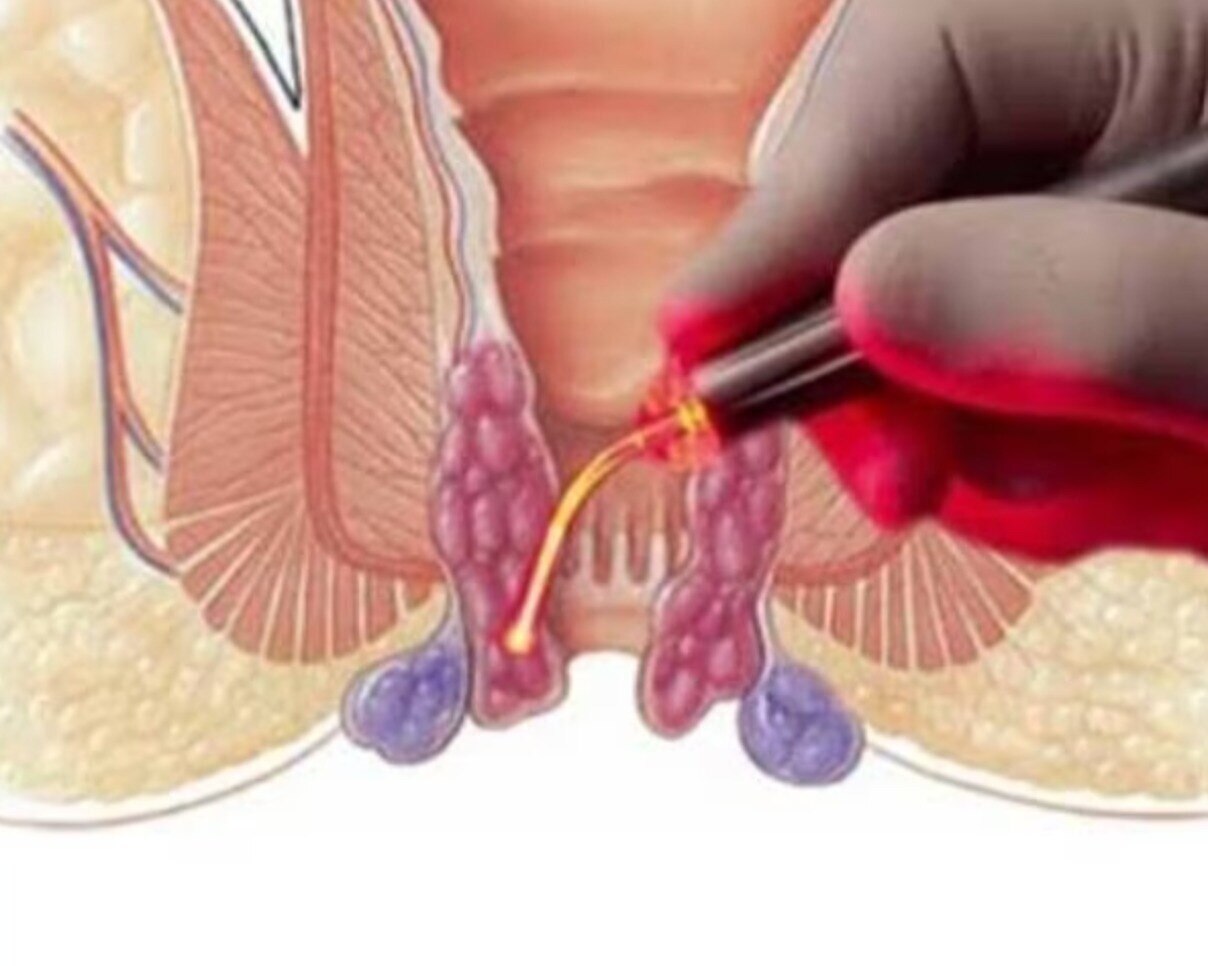
Before consenting, get the exact procedure name in writing. “Laser piles surgery” can mean laser hemorrhoidoplasty, laser coagulation or laser-assisted excision; these do not remove or treat tissue in the same way.
Ask whether your hemorrhoids are internal, external or mixed, and whether examination, anoscopy or another assessment found prolapse, thrombosis, fissure, abscess or another cause of bleeding.
Laser hemorrhoidoplasty is generally intended for symptomatic internal hemorrhoids, particularly grades II and III. It is not automatically suitable for a large external component or substantial prolapse.
| Laser procedure | Tissue approach | Main trade-off |
|---|---|---|
| Laser hemorrhoidoplasty | Shrinks internal hemorrhoidal tissue without standard excision | Often less early pain and faster activity; prolapse can recur |
| Laser coagulation | Uses laser energy to coagulate targeted tissue | Treatment and bleeding risks differ from tissue removal |
| Laser-assisted excision | Removes selected hemorrhoidal tissue with laser assistance | More tissue removal can mean more postoperative pain |
Ask these questions before treatment:
- What pain, bleeding and urinary symptoms are expected, and which require a same-day call?
- What bowel regimen, stool softener or laxative should you follow?
- Who provides urgent review after clinic hours?
- What are the expected bleeding and re-treatment rates for my hemorrhoid grade?
A laser piles surgeon in Vikhroli should explain specialty training and technique; the word “laser” alone proves nothing. ChirayuHealthcare Polyclinic&Diagnostics can be one centre where you ask these questions, alongside others you compare. Bring your medication list and report previous bleeding or bowel disease.
Related products
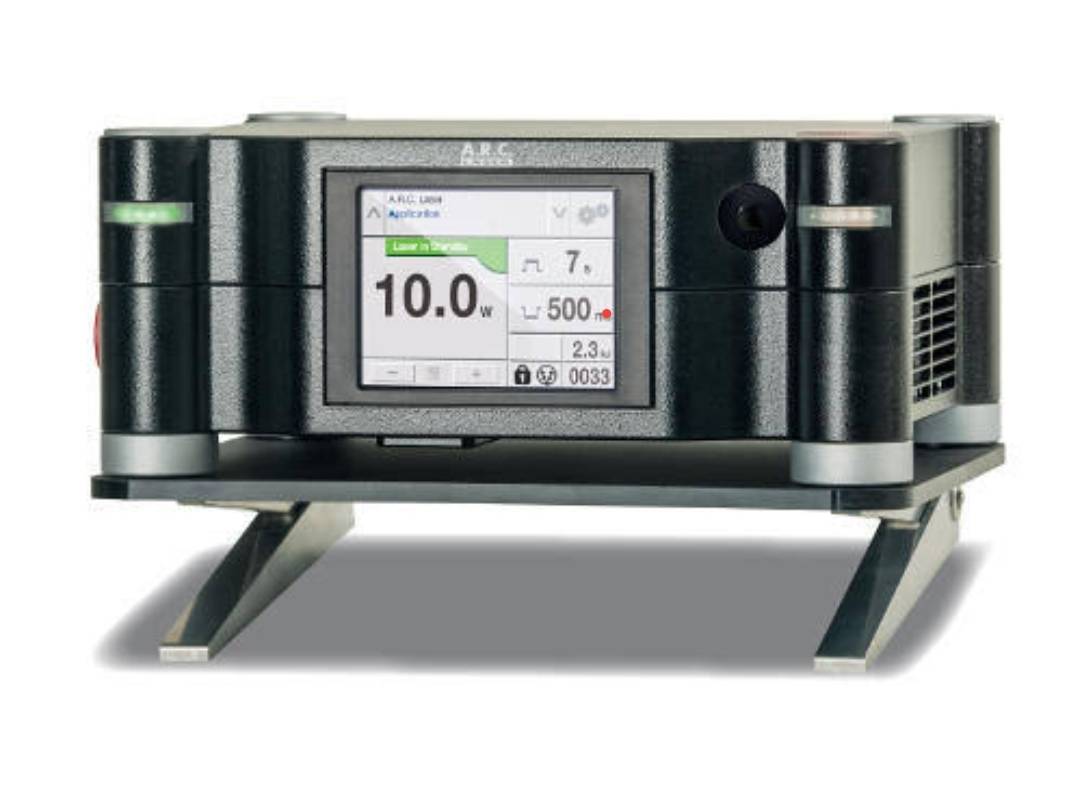 | Laser Piles Laser Fissure Surgery Laser Piles Surgery, Laser Fissure Surgery We are specialized in Laser Treatment of Fissure and Piles, It is one of the most Innovative and Painless Treatment of Piles & Fissures View product → |
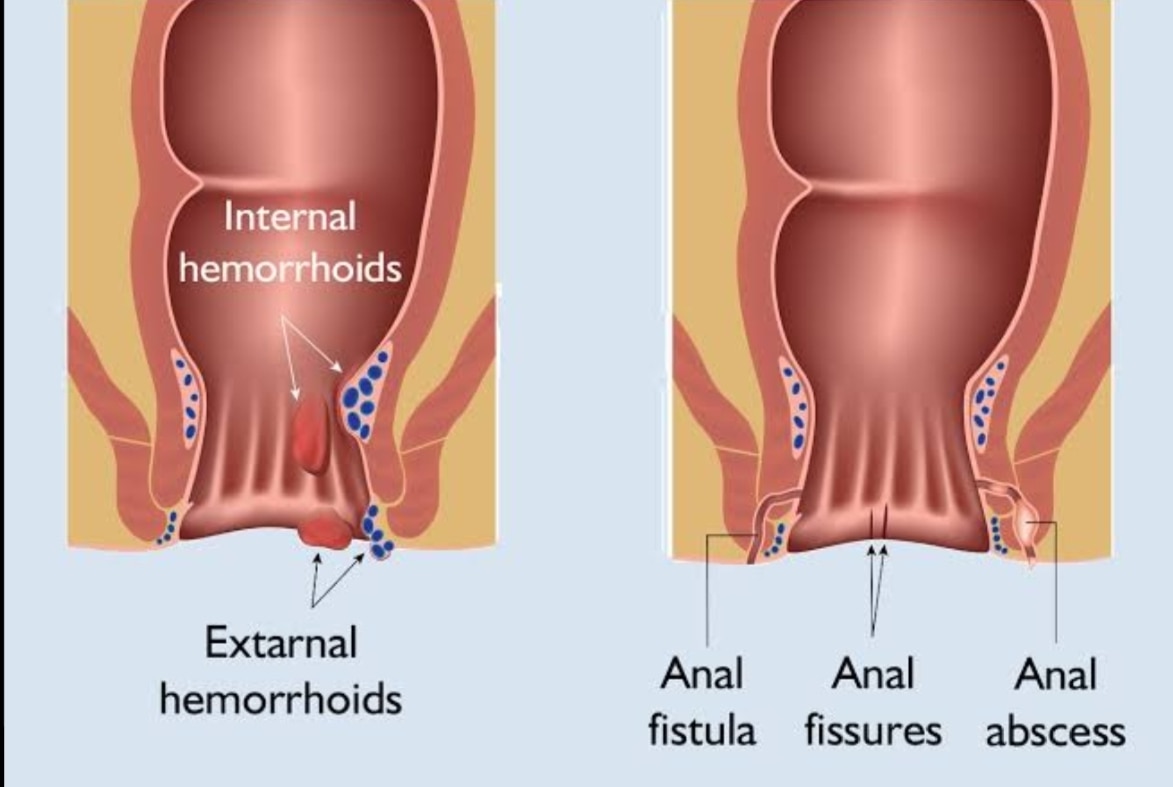 | Proctology Painless piles surgery, Miph, Suture Rectopexy, laser treatment of piles Piles one of the most common cause of Bleeding in motion area. All bleeding needs to be consulted by surgeon to rule out malignancy. View product → |
Frequently asked questions
How much pain is normal after laser piles treatment?
Soreness, pressure, swelling and brief stinging during the first 24 hours are common. Pain that is severe, worsening or not controlled by prescribed medicine needs medical review.
Which bleeding after piles surgery needs urgent attention?
Contact your surgeon urgently for heavy or continuous bleeding, blood clots, repeated bright-red bleeding, dizziness or fainting. A small smear of blood can occur, but increasing bleeding needs assessment.
How can you protect the treated area at home?
Keep the area clean, avoid rubbing, prevent constipation, drink fluids, follow the prescribed medicines and use only the baths or dressings your surgeon recommends.
Which symptoms require same-day review or emergency care?
Seek same-day review for worsening pain, fever, increasing swelling, pus, difficulty passing urine or persistent bleeding. Go to emergency care for heavy bleeding, fainting or severe weakness.
What should you confirm with a laser piles surgeon before treatment?
Confirm the expected pain and bleeding pattern, prescribed medicines, bowel-care plan, wound-care instructions, warning signs, follow-up date and an after-hours contact number.