Before recommending an operation, a piles doctor must confirm that the symptoms come from haemorrhoids, identify the type and grade, and check whether surgery is safer and more suitable than office treatment or medical care. You should leave the consultation knowing what was found, which procedure matches the anatomy, what preparation is needed, and what “painless” does—and does not—promise.
Key takeaways
- Ask the piles doctor to document bleeding, prolapse, pain and bowel habits.
- Confirm a digital rectal examination and anoscopy are included when appropriate.
- Ask which haemorrhoid grade supports the proposed procedure and why.
- Verify surgeon credentials, facility details, costs, follow-up and emergency access.
Which symptoms and warning signs must the doctor document?
Before recommending painless pile surgery, assessment starts with a documented bleeding pattern—not an assumption that every bright-red streak is haemorrhoids. The piles doctor should record the frequency and amount of blood, prolapse, pain, itching, mucus, soiling, swelling, constipation, diarrhoea, stool consistency, straining, toilet time, bowel frequency, previous treatments, and effects on work or daily activities.
| Symptom or history | Why it matters | What the doctor should do |
|---|---|---|
| Bright-red bleeding | Blood can come from a fissure, polyp, inflammatory bowel disease, or colorectal cancer, not only haemorrhoids. | Record its pattern and assess alarm features. |
| Painful lump | It may be a thrombosed external haemorrhoid, abscess, fissure, or another condition rather than an uncomplicated internal haemorrhoid. | Examine the lump and control acute pain before labelling it. |
| Alarm history | Weight loss, iron-deficiency anaemia, altered bowel habits, inflammatory bowel disease, or a family history of colorectal cancer or advanced polyps changes the risk assessment. | Check whether age-appropriate screening is up to date. |
The doctor should also ask about bowel changes and whether constipation, hard stools, or prolonged toilet sitting continue to trigger symptoms. Bright-red blood does not prove that haemorrhoids caused it. Depending on these findings and your screening status, the clinician may recommend colonoscopy or another examination of the colon before proceeding to surgery.
What does a complete piles treatment examination include?
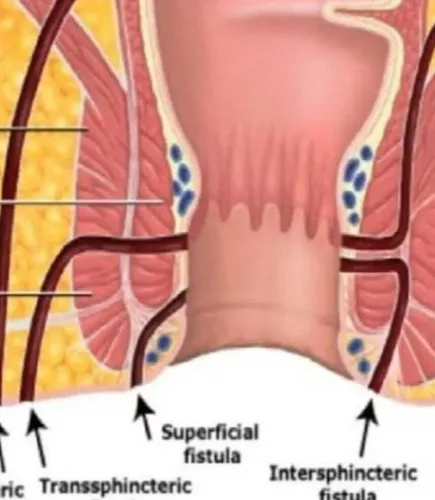
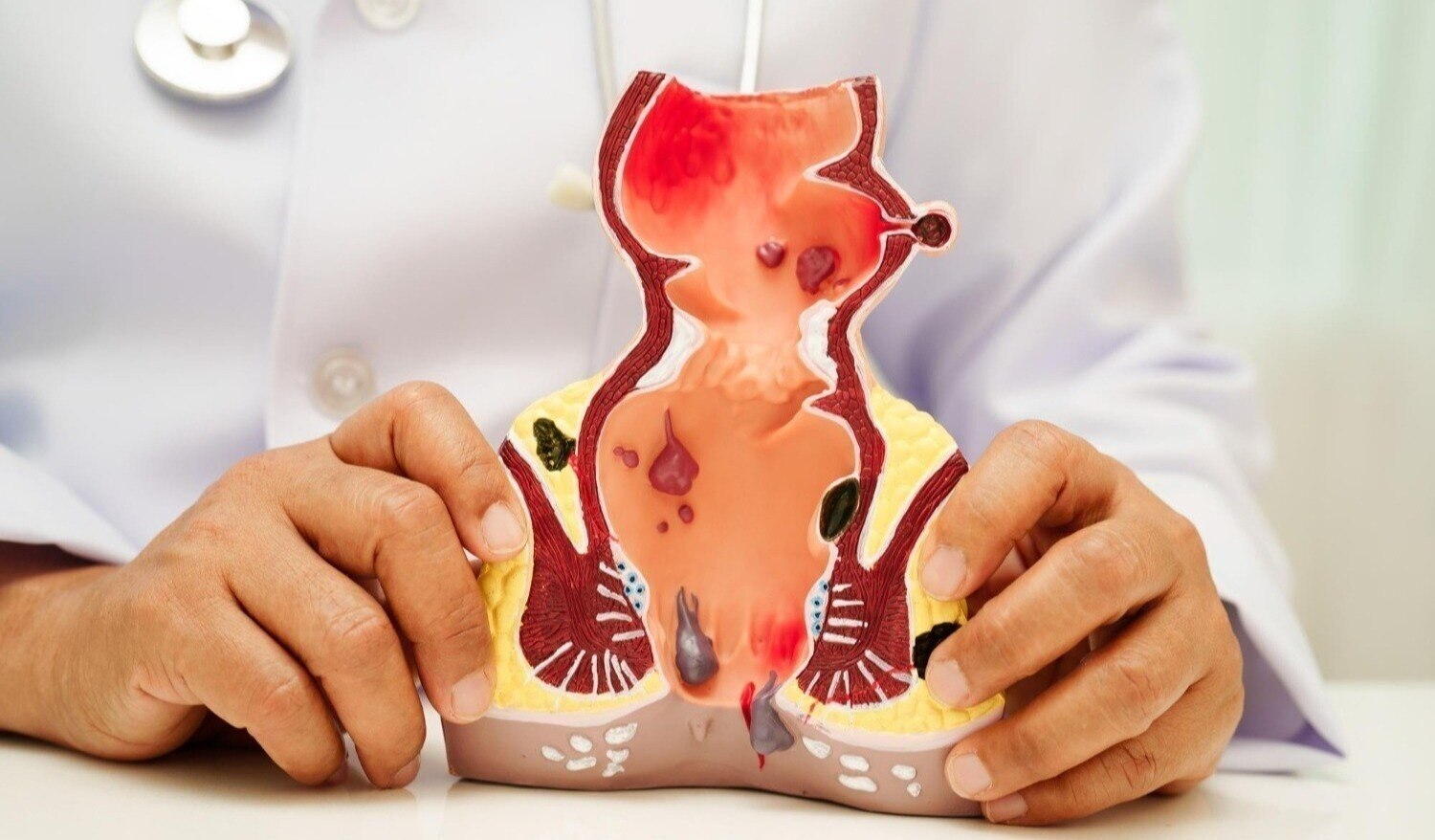
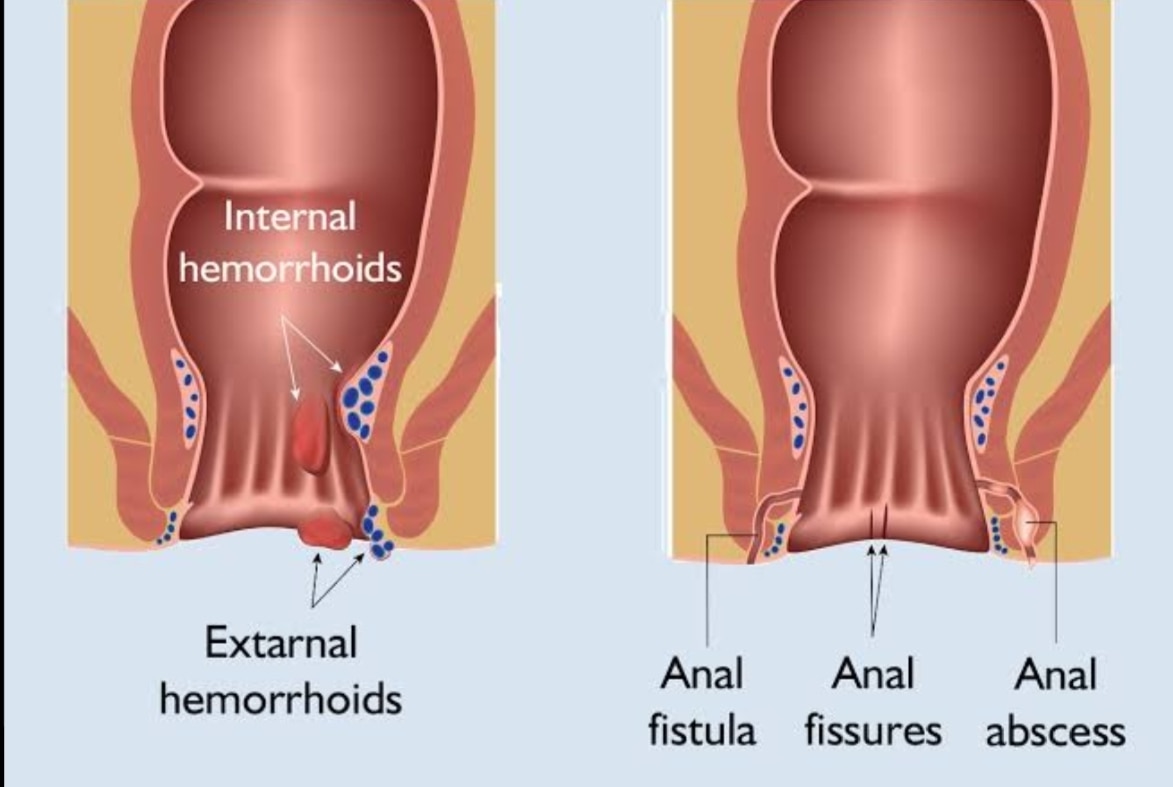
A complete piles treatment examination identifies the actual anorectal problem, not simply records “piles.” The doctor inspects the perianal skin and anal opening for external haemorrhoids, a fissure, fistula opening, abscess, swelling, prolapse, skin irritation, or another lesion.
A digital rectal examination checks tenderness, masses, muscle tone, blood, and abnormalities inside the rectum. An anoscopy or proctoscopy gives a direct view of the anal canal and internal haemorrhoids when it is appropriate.
| Examination | What it checks | Important limitation |
|---|---|---|
| Perianal inspection | External haemorrhoids, fissure, fistula opening, abscess, swelling, prolapse, irritation, or another lesion | It cannot show the full anal canal |
| Digital rectal examination | Tenderness, masses, tone, blood, and rectal abnormalities | Severe pain can make it intolerable or unsafe |
| Anoscopy or proctoscopy | Anal canal and internal haemorrhoids | It may be deferred when pain prevents safe insertion |
Severe pain changes the plan. The doctor may first control the pain, use local anaesthesia, treat an acute problem, or recommend examination under anaesthesia when an adequate assessment cannot be completed while you are awake.
Before leaving, ask:
- What areas were examined?
- Which findings were recorded?
- Is the diagnosis an internal haemorrhoid, external haemorrhoid, fissure, fistula, abscess, prolapse, or another condition?
- Does any part of the assessment remain incomplete?
How does the doctor grade haemorrhoids and choose the right procedure?
The Goligher system records how internal haemorrhoids behave during straining, and the degree of prolapse helps determine whether an operation is appropriate.
| Grade | Finding | Treatment implication |
|---|---|---|
| Grade I | Bleeds without prolapsing | Office treatment may be enough |
| Grade II | Prolapses during straining but returns spontaneously | Consider office treatment or selected surgery |
| Grade III | Prolapses and requires manual reduction | Discuss operative options after assessing anatomy |
| Grade IV | Remains prolapsed and cannot be reduced | Usually needs a careful operative assessment |
The doctor must also separate internal haemorrhoids from a large external component. MIPH, or stapled haemorrhoidopexy, is mainly designed for selected internal haemorrhoids with significant prolapse. It does not remove a large external component and is a poor fit for mainly external haemorrhoids, thrombosed external haemorrhoids, or an anal fissure.
If there is no substantial prolapse, rubber-band ligation or another office treatment may avoid an operation. During a MIPH surgery consultation, ask:
- How does my anatomy and haemorrhoid grade match this procedure?
- How do recurrence and recurrent prolapse compare with excisional haemorrhoidectomy?
- Have bleeding, urgency, anal stenosis, and rare serious pelvic complications been explained?
The choice should reflect your symptoms, anatomy, recovery priorities, and tolerance for recurrence—not simply the labels “minimally invasive” or “painless.”
What should you verify before scheduling surgery in Vikhroli?
Before booking, make sure the surgeon has reviewed your diabetes control, blood pressure, kidney disease, bleeding disorders, immune suppression, pregnancy possibility, heart or lung conditions, allergies, and previous anaesthesia problems. These details can change the operation, anaesthetic, medicine plan, or whether surgery is safe that day.
Ask for these specific answers during a laser piles consultation in Vikhroli:
- What exact laser technique is proposed, and which haemorrhoid grade and anatomy does it suit?
- What anaesthesia will you receive, and how will pain be controlled during and after the procedure?
- What recurrence rate should you expect?
- What happens if external tissue or prolapsing tissue remains after treatment?
“Laser” does not prove that an operation will be painless or superior. Some laser techniques have less established long-term comparative evidence than established procedures.
| Option | What to verify | Why it matters |
|---|---|---|
| Laser procedure | Exact method, grade, external component, recurrence evidence | The label covers different techniques and outcomes |
| Rubber-band ligation | Whether disease lacks substantial prolapse | An office treatment may avoid an operation |
| Excisional surgery or another operation | Expected pain, recovery, recurrence, and complications | More extensive disease may need a different approach |
ChirayuHealthcare Polyclinic&Diagnostics can pair a surgical consultation with diagnostic review, but ask which tests you actually need. A complete blood count matters after substantial bleeding or suspected anaemia; glucose, kidney function, coagulation tests, and an ECG depend on your health, medicines, operation, and anaesthetic risk, not on a routine rule for everyone.
Related products
 | Proctology Painless piles surgery, Miph, Suture Rectopexy, laser treatment of piles Piles one of the most common cause of Bleeding in motion area. All bleeding needs to be consulted by surgeon to rule out malignancy. View product → |
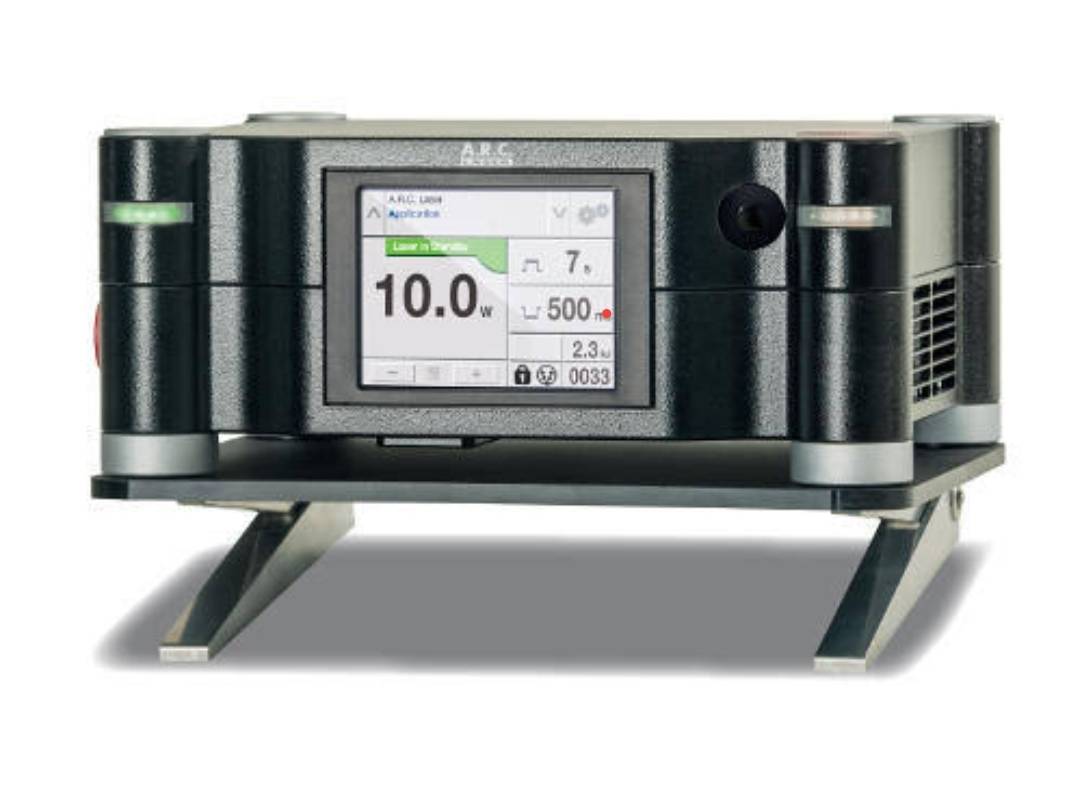 | Laser Piles Laser Fissure Surgery Laser Piles Surgery, Laser Fissure Surgery We are specialized in Laser Treatment of Fissure and Piles, It is one of the most Innovative and Painless Treatment of Piles & Fissures View product → |
Which medicines, bowel habits, and consent points matter before “painless” surgery?
Before signing consent, complete a painless pile surgery assessment that includes every medicine you take. Tell the surgeon about aspirin, clopidogrel, warfarin, apixaban, rivaroxaban, non-steroidal anti-inflammatory drugs, non-prescription pain medicines, supplements, and every prescribed drug.
| Issue | What to disclose or ask | Why it matters |
|---|---|---|
| Blood-thinning medicines | Ask the prescribing clinician and surgeon to create an individual interruption or continuation plan | Continuing can increase surgical bleeding; stopping without instruction can cause a stroke, pulmonary embolism, or another clot |
| Bridging treatment | Ask whether bridging is specifically indicated | It is not an automatic substitute for stopping an anticoagulant |
| Bowel habits | Request a plan for fibre, adequate fluids, stool-softening or laxative treatment, hard stools, straining, and prolonged toilet sitting | Surgery does not remove these mechanical triggers, so constipation can undermine the result |
| Consent | Confirm the expected recovery and emergency contact plan | “Painless” is a treatment goal, not a guarantee |
The consent discussion must cover pain after bowel movements, bleeding, urinary retention, infection, anal stenosis, faecal urgency or incontinence, recurrence, and the possibility of further treatment. Ask what symptoms require an urgent call and whom to contact outside clinic hours. Do not stop an anticoagulant or antiplatelet drug yourself.
Frequently asked questions
Which symptoms should a piles doctor document before surgery?
The doctor should record bleeding frequency and amount, prolapse, pain, itching, mucus, soiling, swelling, constipation, diarrhoea, stool consistency, straining, toilet time, bowel frequency, previous treatments and effects on daily activities.
What does a complete piles treatment examination include?
It includes a medical history, inspection of the anal area and, when appropriate, a digital rectal examination and anoscopy. The doctor should also assess whether bleeding has another cause.
How are haemorrhoids graded before choosing surgery?
Internal haemorrhoids are commonly graded by prolapse: Grade I does not prolapse, Grade II prolapses during straining but returns spontaneously, Grade III needs manual reduction, and Grade IV remains prolapsed. The grade and symptoms help guide the procedure.
What should you verify before scheduling painless pile surgery in Vikhroli?
Verify the surgeon’s qualifications, the facility where the procedure will occur, the exact technique, anaesthesia plan, total charges, expected recovery, follow-up arrangements and emergency contact process.
Which medicines and consent points matter before piles surgery?
Tell the doctor about blood thinners, aspirin, diabetes medicines, allergies and supplements. Confirm who will advise medication changes, the risks, alternatives, expected pain, recurrence, recovery limits and signs requiring urgent care.
Related service
Morvyat we are specialized in Painless morvyat- piles surgery View service → |