Pain, bruising and tightness after a vein procedure are not automatically signs that treatment has failed. The important distinction is whether symptoms are settling on schedule or pointing to infection, a clot, nerve injury, incomplete treatment or recurrent reflux. You will learn what to monitor, when duplex ultrasound is useful and when urgent medical care takes priority over a routine varicose vein follow up.
Key takeaways
- Bruising, tenderness and mild swelling are common during early recovery.
- Seek urgent care for sudden breathlessness, chest pain or one-sided leg swelling.
- A follow-up should assess wounds, blood flow, symptoms and remaining visible veins.
- Persistent or returning veins can reflect untreated branches or new reflux.
Which symptoms are normal after varicose vein treatment, and which are warning signs?
Bruising, tenderness, mild swelling, tightness, and temporary lumpiness are common after ablation, sclerotherapy, phlebectomy or surgery. A firm lump or painful cord can form as treated blood clots organise, while numbness or tingling can occur when superficial sensory nerves near the vein are irritated.
Discomfort and bruising should start settling within the first days to two weeks; hardness and altered sensation can take longer.
| Symptom | Usually expected | Needs medical review |
|---|---|---|
| Bruising or tenderness | Local and gradually easing | Increasing pain or spreading redness |
| Mild swelling or tightness | Improves with walking and prescribed care | Worsening swelling, heat or pain, especially in one leg |
| Firm lump or painful cord | Along a treated vein; may reflect superficial inflammation | Rapidly worsening cord, severe pain, or swelling that could indicate DVT |
| Numbness or tingling | Small area near the treatment site; slowly improving | Persistent or worsening weakness |
| Skin colour change | Brown staining can be hemosiderin left after blood breakdown | Red, hot skin with pus, persistent drainage or fever |
These warning signs should not be dismissed as routine varicose vein surgery problems or vein treatment complications. A new or worsening warm, painful, swollen leg needs assessment for deep-vein thrombosis, even soon after treatment. Sudden breathlessness, chest pain, coughing blood, fainting or an unexplained rapid heartbeat requires emergency care.
Record changes and contact the treating team for varicose vein follow up.
What complications can follow each type of vein procedure?
The procedure determines which vein treatment complications are most likely, although several problems can follow any treatment.
1. Endovenous laser treatment and radiofrequency ablation use heat to close a vein. Possible problems include bruising, tenderness, skin burns, sensory-nerve irritation causing numbness or tingling, and endothermal heat-induced thrombosis (EHIT), where clot extends toward the deep veins.
2. Ultrasound-guided foam sclerotherapy can cause local inflammation, bruising and a temporary visual disturbance or migraine-like symptoms. Rarely, foam can contribute to neurological events or thromboembolism; discuss these risks before consent.
3. Phlebectomy removes veins through small skin openings, so bruising, tenderness, local lumps and bleeding can occur. Sensory-nerve irritation is another recognised problem.
4. Traditional vein surgery involves larger incisions and anaesthesia. Varicose vein surgery problems can include bleeding, haematoma, wound infection, nerve injury, anaesthetic reactions and, less commonly, DVT or pulmonary embolism.
Across procedures, superficial thrombophlebitis may feel like a painful, red, firm cord along a treated vein. Arrange an examination because similar symptoms can overlap with DVT.
Persistent heaviness, swelling or pain does not prove treatment failure. Lymphedema, peripheral arterial disease, neuropathy, medication effects and musculoskeletal conditions can cause the same pattern, so assessment should match symptoms with examination and, when indicated, duplex ultrasound.
Why can treated veins remain visible or return after surgery?
Recurrence does not automatically mean the operation was performed incorrectly. Visible or returning veins can reflect an untreated incompetent feeder, missed tributary, perforator or accessory vein, incomplete closure or ablation, recanalisation of the treated vein, progression of venous disease, or new reflux elsewhere.
Reflux may arise in the great or small saphenous system, an accessory vein, a perforator, or pelvic and iliac outflow pathways. Treating one surface vein can therefore leave the true source untreated. These are possible varicose vein surgery problems, but a visible vein alone does not prove recurrent disease.
A proper review should proceed in this order:
- Match your symptoms with examination findings, including swelling, skin changes, pulses and the treated area.
- Use duplex ultrasound when symptoms suggest recurrence, treatment failure, obstruction or DVT. The scan should identify reflux, persistent flow, recanalisation, thrombus extension or deep-vein thrombosis.
- Treat the demonstrated source, rather than another visible vein chosen by appearance alone.
Heaviness or swelling can remain unchanged after a wrong initial diagnosis. Lymphedema, peripheral arterial disease, neuropathy, medication effects and musculoskeletal conditions can mimic venous symptoms. A varicose veins specialist in Vikhroli should confirm the cause before recommending another intervention.
What should a proper varicose vein follow-up check?
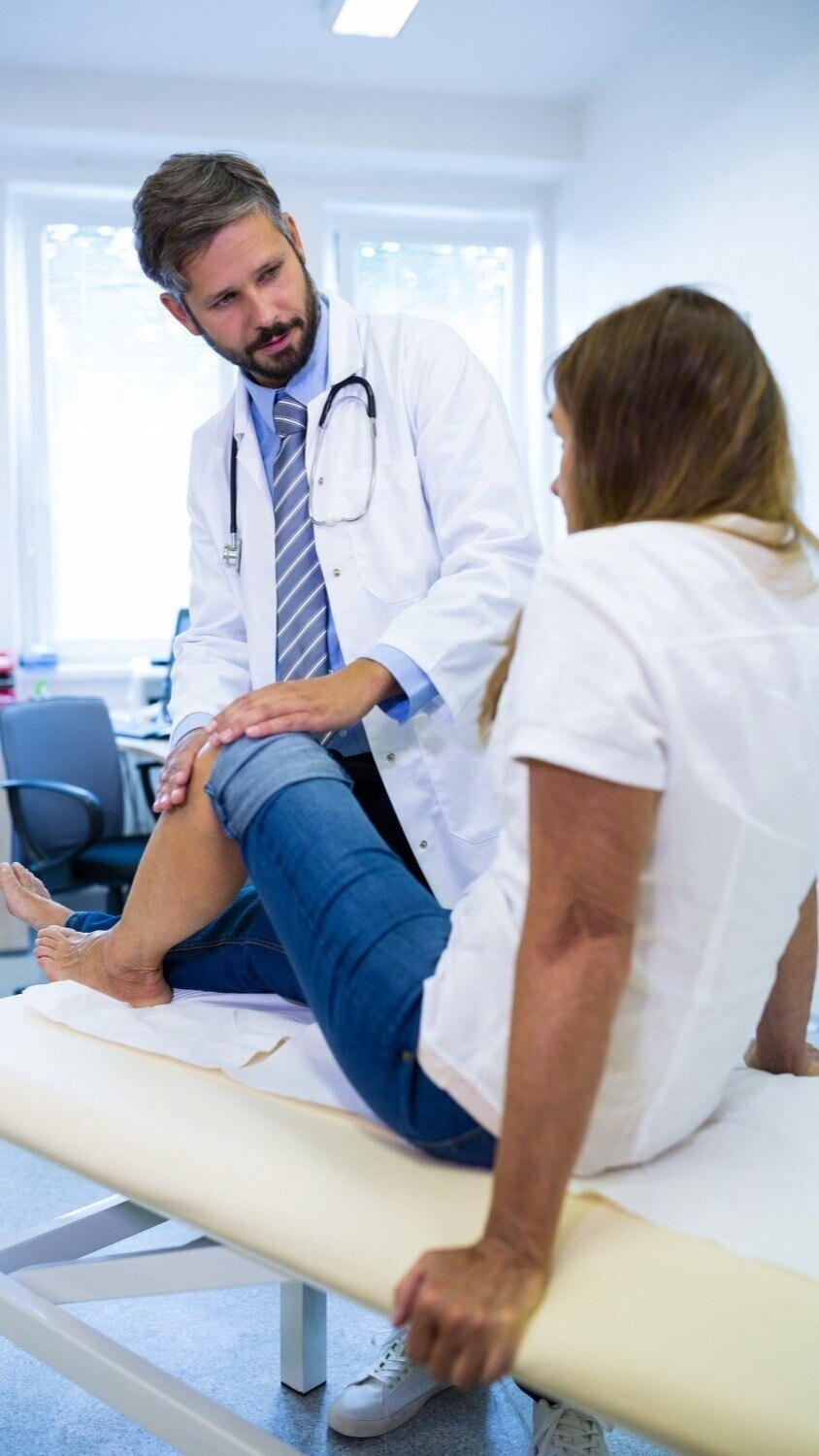
A proper varicose vein follow-up checks the treated leg, wounds, circulation and recovery progress—not just whether a vein remains visible.
| Stage | What to check | What to do |
|---|---|---|
| Early review | Access sites, wounds, bruising, drainage, swelling, tenderness and foot pulses | Compare both legs and report increasing redness, heat, pain or fever |
| Recovery review | Walking, pain, numbness, hardness, swelling and wound healing | Follow the discharge schedule; restrictions differ after ablation, foam, phlebectomy and surgery |
| Symptom-led review | New swelling, persistent heaviness, worsening pain or suspected recurrence | Request duplex ultrasound for DVT, obstruction, persistent reflux, recanalisation or treatment failure |
Ask these practical questions before leaving:
- When may you walk, drive, return to work, exercise and bathe?
- Which prescribed medicines should you take, stop or avoid?
- How long should you wear compression, and for what purpose?
Use compression only as prescribed for pain or recovery; it cannot diagnose DVT or explain persistent swelling. Prolonged compression is unsuitable with significant peripheral arterial disease unless a clinician specifically advises it.
Bring the procedure date, treated leg, symptom timeline, temperature readings, medicine list, compression use, discharge instructions and earlier ultrasound reports. A varicose veins specialist in Vikhroli should investigate other causes, including lymphedema, neuropathy, arterial disease and musculoskeletal pain, rather than assume recurrence.
For varicose veins specialist treatment for problems after surgery in Vikhroli, ChirayuHealthcare Polyclinic&Diagnostics can provide a local pathway for surgical review, vascular assessment and diagnostic testing.
Related product
 | Laser varicose veins surgery Laser varicose vein surgery is a procedure that uses heat from a laser to reduce varicose veins. View product → |
When is a post-surgery vein problem an emergency?
Call emergency services immediately for sudden breathlessness, chest pain, coughing blood, fainting or an unexplained rapid heartbeat. These symptoms can indicate a pulmonary embolism, and waiting for a routine varicose vein follow up is unsafe.
Seek urgent medical assessment for any of these signs:
- One leg becomes rapidly more swollen, painful, warm or discoloured, which requires assessment for deep-vein thrombosis (DVT).
- Bleeding continues despite firm, continuous pressure over the site.
- Fever is high and the wound is becoming redder, hotter, more painful or covered with pus.
- Pain is severe or out of proportion to what you can see at the wound.
- The foot becomes cold, pale or unusually numb, suggesting impaired blood flow.
These varicose vein surgery problems need an appropriate emergency service first, even if the procedure was performed in Vikhroli. Do not drive yourself if you feel faint, breathless or confused.
Bruising, mild swelling, stable tenderness, tightness, a small firm lump or gradual numbness can be recorded for a planned review. Worsening pain, swelling, warmth, redness, drainage, weakness or spreading numbness needs earlier contact with the treating team. A scheduled review can investigate less urgent vein treatment complications with examination and duplex ultrasound when indicated.
Frequently asked questions
Which symptoms are normal after varicose vein treatment?
Bruising, tenderness, mild swelling, tightness, temporary lumpiness, numbness and tingling can occur after ablation, sclerotherapy, phlebectomy or surgery. A firm lump or painful cord can form as treated clots organise.
What complications can follow varicose vein procedures?
Possible problems include infection, bleeding, skin injury, nerve irritation, blood clots, persistent pain and recurrence. The risks differ between ablation, sclerotherapy, phlebectomy and open surgery.
Why can treated veins remain visible or return after surgery?
A treated vein can remain visible while bruising and organised clot resolve. Visible veins can also result from untreated vein branches, incomplete treatment, persistent reflux or newly enlarged veins.
What should a varicose vein follow-up check?
A follow-up should review pain, swelling, skin colour, wounds, sensation and mobility. The clinician should examine circulation and order an ultrasound when symptoms suggest residual reflux, obstruction or another complication.
When is a post-surgery vein problem an emergency?
Get emergency help for sudden breathlessness, chest pain, coughing blood, fainting, severe one-sided leg swelling, rapidly worsening pain, a cold or pale foot, uncontrolled bleeding or high fever with spreading redness.