Choosing between MIPH, a laser procedure, banding, medication, or conventional surgery depends on whether the haemorrhoids are internal, external, prolapsing, recurrent, or mixed. By comparing how each treatment works, which symptoms it suits, its pain and recurrence trade-offs, and the recovery demands, you can discuss a specific option with a surgeon instead of choosing from the word “laser” alone.
Key takeaways
- Bleeding needs examination because fissures, fistulas and masses can mimic piles.
- MIPH removes prolapsing haemorrhoidal tissue; laser reduces selected haemorrhoidal blood flow.
- Compare recurrence, complications and anaesthesia—not only how quickly you return to work.
- Get a written diagnosis before choosing piles treatment in Vikhroli.
First confirm that haemorrhoids explain the symptoms
Bleeding alone does not prove piles. A surgeon inspects the anus, performs a digital rectal examination, and uses anoscopy or proctoscopy to see internal haemorrhoids, bleeding points, prolapse, fissures, fistulas, and masses.
The examination records the pattern: internal bleeding without prolapse; tissue that prolapses but returns spontaneously; tissue requiring manual reduction; or irreducible prolapse. It also identifies external swelling, mixed internal-external disease, skin tags, and a thrombosed external haemorrhoid, which is usually a tender, firm lump.
Recurrent symptoms require reassessment rather than automatic repeat piles treatment in Vikhroli or elsewhere.
- A fissure causes sharp pain during and after bowel movements.
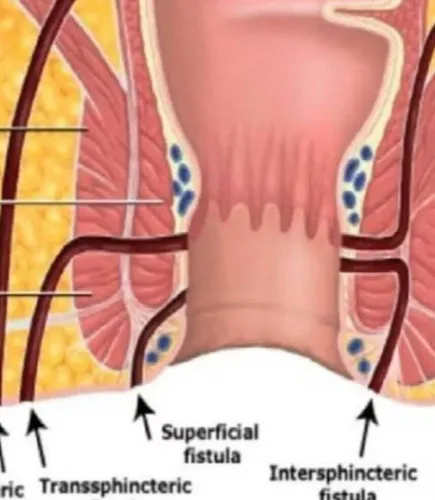
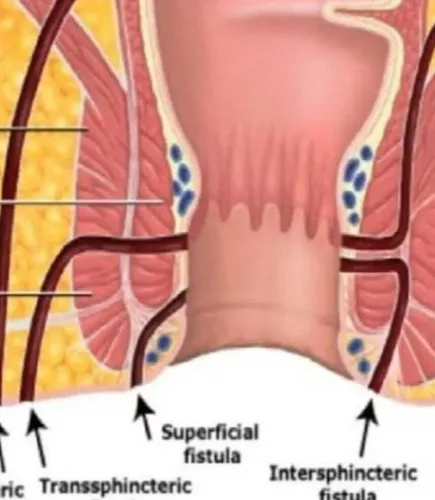
- A fistula causes a recurrent opening near the anus or pus.
- Polyps and colorectal cancer can cause bleeding or altered bowel habit.
- Inflammatory bowel disease can cause diarrhoea, urgency, abdominal pain, and blood.
Ask about constipation, straining, duration, recurrence, medicines, and family history. Arrange colon evaluation when age, anaemia, weight loss, altered bowel habit, persistent or dark bleeding, or a family history warrants it; do not proceed directly to MIPH or laser on the assumption that bleeding is piles.
Seek urgent assessment for heavy bleeding, dizziness or fainting, black stools, severe abdominal pain, fever, or rapidly worsening swelling. These findings can signal bleeding or another condition needing prompt treatment.
What MIPH, laser, banding, and other treatments actually do
The practical difference is what each treatment removes, shrinks, or lifts. A general surgeon’s MIPH-laser comparison should start with the prolapse pattern, not the technology label.
| Option | What it does | When it applies |
|---|---|---|
| Medical care | Fibre, fluids, stool-softening, toilet-habit changes, and symptom medicines control bleeding and straining without removing tissue | Bleeding without significant prolapse |
| Injection sclerotherapy | Injects a solution that scars and shrinks a small internal haemorrhoid | Selected small internal haemorrhoids |
| Rubber-band ligation | Places a band around the base; the tissue loses blood supply and falls away | Many grade I and II internal haemorrhoids |
| Doppler-guided artery ligation | Locates and ties feeding arteries; mucopexy may lift prolapsing tissue | Selected internal prolapse, including some recurrent cases |
| MIPH piles surgery | A circular stapler removes a mucosal ring above the dentate line and lifts internal tissue | Selected grade III internal prolapse |
| Excisional haemorrhoidectomy | Cuts out haemorrhoidal tissue, including substantial external components | Large grade III, grade IV, or mixed internal-external disease |
| Laser haemorrhoidoplasty or coagulation | A fibre shrinks or coagulates tissue rather than automatically excising it | Selected internal disease; exact technique matters |
For a laser piles treatment comparison, obtain the precise procedure name, fibre method, and target tissue: “laser” alone identifies nothing reliably. MIPH does not directly remove every external haemorrhoid, skin tag, or acute thrombosed external haemorrhoid.
Excision is usually more durable for extensive prolapse or mixed disease, while banding is less invasive than either MIPH or laser. Irreducible prolapse needs surgical assessment rather than automatic laser treatment.
Compare pain, durability, and complications—not just return to work
MIPH offers less early pain and faster initial recovery than excisional haemorrhoidectomy because the stapler works higher in the anal canal, away from much pain-sensitive tissue. The trade-off is higher long-term recurrence of prolapse and haemorrhoids, plus possible repeat treatment.
| Option | Comfort and durability | Important trade-offs |
|---|---|---|
| MIPH | Lower early pain; faster recovery; less durable than excision | Does not remove external disease; delayed bleeding, urinary retention, faecal urgency, infection, staple-line problems, anal or rectal stenosis, and another procedure are possible. Rarely, pelvic sepsis or rectal perforation occurs. |
| Laser haemorrhoidoplasty | Often less early discomfort in selected patients; long-term control remains uncertain | Residual or recurrent prolapse can need further treatment; it does not automatically treat external tissue. Studies vary by wavelength, energy, grade, anaesthesia, follow-up, and recurrence definition. |
| Excisional haemorrhoidectomy | Most durable for large grade III or IV, mixed, or externally prominent disease | More postoperative pain, slower recovery, bleeding, urinary retention, infection, stenosis, and painful bowel movements. |
| Banding or artery ligation | Useful for selected internal disease with less recovery burden | Recurrence or repeat procedures remain possible; external haemorrhoids are not treated. |
A laser piles treatment comparison is meaningful only when the exact technique and follow-up are stated. Claims of permanently painless treatment are misleading: no option is universally best, and painless piles surgery options do not eliminate pressure, urgency, bleeding, or urinary difficulty.
Date the evidence and match it to the technique and haemorrhoid grade studied. Look beyond return-to-work time: compare bleeding control, recurrence, external-tissue treatment, delayed bleeding, infection, and the chance of another procedure.
Understand anaesthesia, recovery, and the effort each option requires
Medical treatment needs fibre, fluids, stool-softening medicine, toilet-habit changes, and symptom relief, with no anaesthesia or escort. Office treatment usually uses local anaesthetic; MIPH piles surgery, laser treatment, and excisional surgery may use local, regional, or general anaesthesia. Anaesthesia prevents pain during the operation, not later soreness, pressure, urgency, or pain during bowel movements.
| Option | Recovery and effort | Typical practical burden |
|---|---|---|
| Medical treatment | No wound; continue activity as tolerated | Medicines, diet changes, review if bleeding persists |
| Office procedure | Same-day discharge; short-lived discomfort or bleeding | Arrange transport if sedated; an escort may be required |
| MIPH or laser | Same-day discharge or observation; temporary bleeding, mucus, urgency, and pain can occur | Follow the surgeon’s exact limits for sitting, driving, work, exercise, and lifting |
| Excisional surgery | More wound care and bowel-movement pain; recovery takes longer | More analgesia, time off work, and follow-up |
Take prescribed bowel preparation, pain medicines, fibre, stool-softener, and water exactly as directed. Keep wounds clean, avoid straining, and do not drive until you are off sedating medicine, can brake safely, and your surgeon permits it.
Count consultations, preparation, transport, escort time, follow-ups, leave from work, and whether repeat treatment is feasible when comparing cost and effort. Adjust the plan for constipation, diarrhoea, pregnancy, anticoagulants or antiplatelet drugs, diabetes, or inflammatory bowel disease; never stop blood thinners without medical advice.
Contact the surgeon urgently for heavy bleeding, fever, inability to urinate, worsening swelling, severe pain, dizziness, or black stools. “Painless piles surgery options” is not a promise.
Use a written diagnosis to choose piles treatment in Vikhroli
A written diagnosis turns a “laser” recommendation into a testable treatment plan. Ask for the exact grade, internal or external component, skin tags, thrombosis, and the proposed procedure name; “laser” could mean laser haemorrhoidoplasty or laser coagulation, not one standard operation.
| Check | Ask the surgeon | Why it matters |
|---|---|---|
| Procedure | What does it treat, and what are the expected bleeding and recurrence rates? | MIPH mainly treats selected grade III internal prolapse; external or mixed disease may need another approach |
| Safety | What anaesthesia, discharge plan, blood-thinner instructions, and complication experience apply? | Anticoagulants and antiplatelets can change timing and bleeding risk |
| Follow-up | What is the complete review schedule, and what happens if symptoms persist or recur? | Recurrence may require reassessment or another procedure |
Request the diagnosis and procedure in writing, then compare that document with a second opinion rather than comparing clinics by the word “laser.” The search phrase “general surgeon MIPH laser for comparison” should lead to these questions, not a brand decision.
For piles treatment in Vikhroli, a general surgeon or colorectal surgeon should arrange examination, procedure discussion, and postoperative review locally. Confirm who performs each step and where urgent help is available.
ChirayuHealthcare Polyclinic&Diagnostics can be considered for surgical consultation and associated diagnostic evaluation; home sample collection applies to pathology or other diagnostic testing, not the piles operation.
Related products
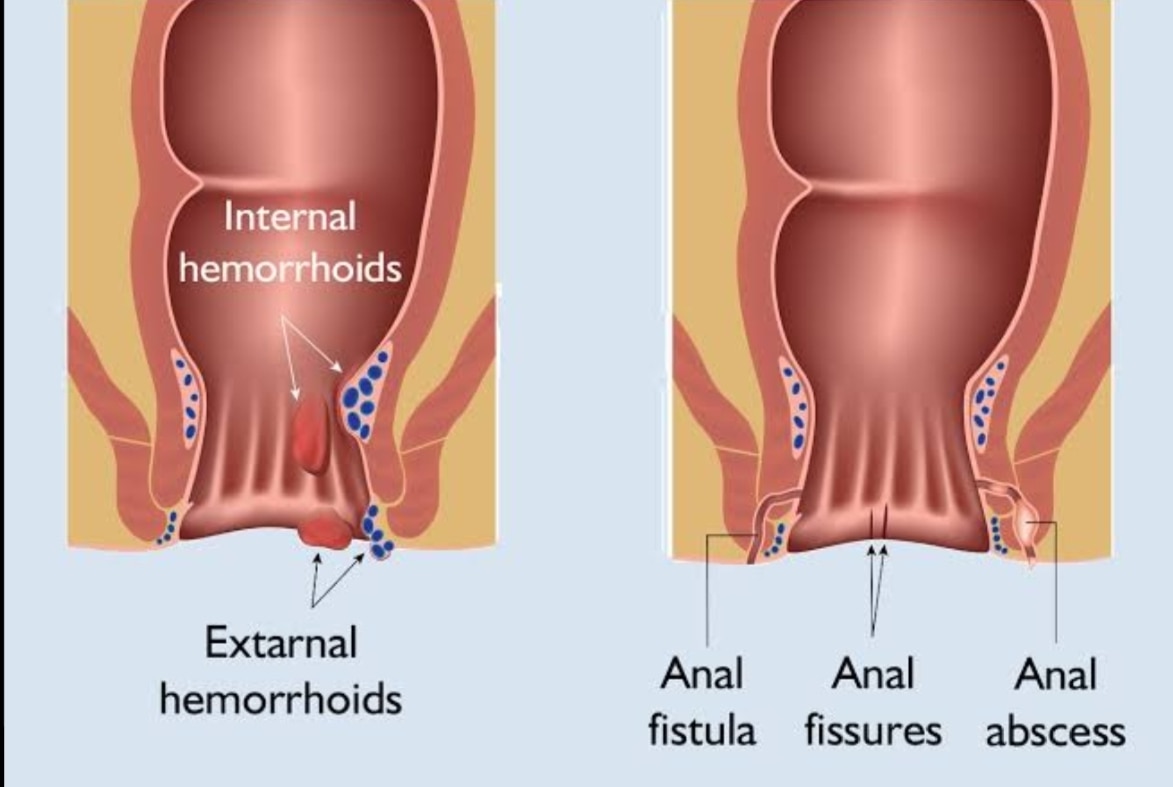 | Proctology Painless piles surgery, Miph, Suture Rectopexy, laser treatment of piles Piles one of the most common cause of Bleeding in motion area. All bleeding needs to be consulted by surgeon to rule out malignancy. View product → |
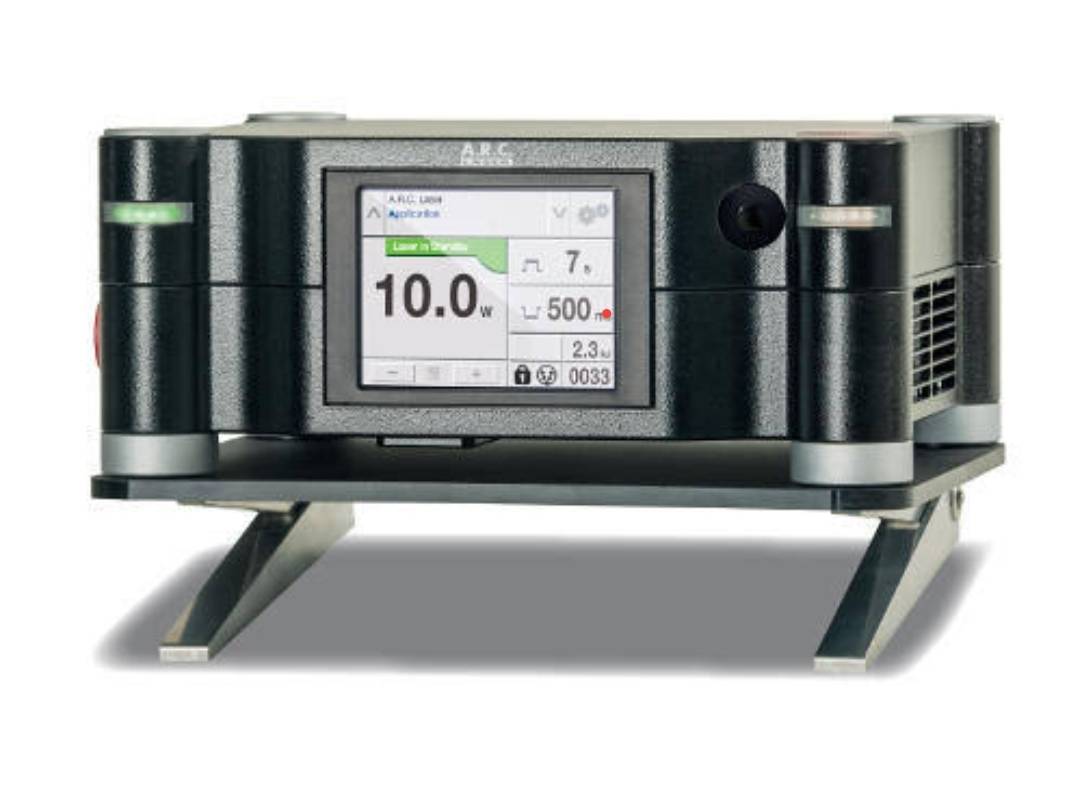 | Laser Piles Laser Fissure Surgery Laser Piles Surgery, Laser Fissure Surgery We are specialized in Laser Treatment of Fissure and Piles, It is one of the most Innovative and Painless Treatment of Piles & Fissures View product → |
Frequently asked questions
How does a surgeon confirm that haemorrhoids cause bleeding?
The surgeon inspects the anus, performs a digital rectal examination, and uses anoscopy or proctoscopy to identify internal haemorrhoids and other causes such as fissures, fistulas or masses.
What is the difference between MIPH and laser piles treatment?
MIPH uses a circular stapling device to reposition and remove a ring of prolapsing internal haemorrhoidal tissue. Laser treatment uses laser energy to reduce blood flow or shrink selected haemorrhoids; the exact technique depends on the diagnosis.
How should you compare piles treatments?
Compare pain, recurrence or durability, bleeding, urinary retention, stenosis and other complications, anaesthesia, recovery restrictions and follow-up—not just the time needed to return to work.
What should you know about anaesthesia and recovery?
Ask which anaesthesia the proposed procedure uses, whether you need fasting or an escort, how long pain and bleeding can last, which activities to avoid, and when follow-up occurs.
How can you choose piles treatment in Vikhroli?
Request a written diagnosis that states the haemorrhoid grade, prolapse, bleeding source and recommended procedure, then discuss suitable options with a general surgeon in Vikhroli.
Related service
Morvyat we are specialized in Painless morvyat- piles surgery View service → |