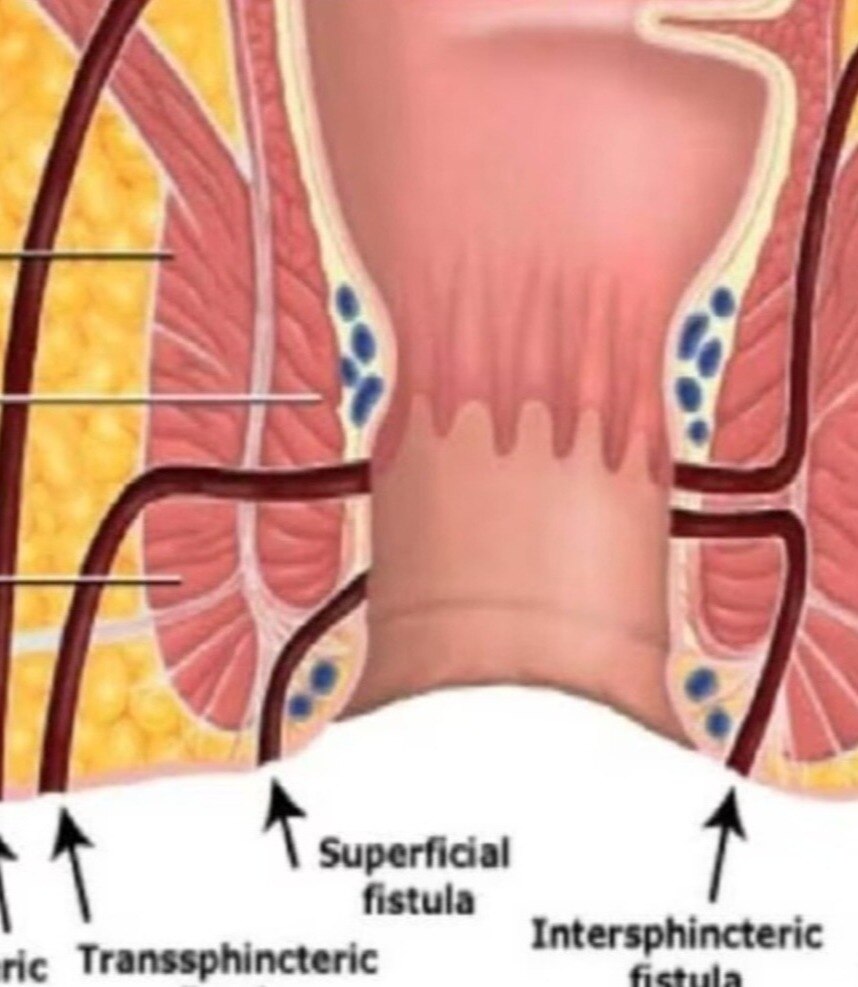
A recurring opening near the anus, pus or foul-smelling drainage, or a lump that repeatedly swells and settles needs more than seasonal skin care. You will learn which symptoms need same-day attention, how fistulas differ from piles and other conditions, what to do before monsoon, and what to expect when you see a surgeon.
Key takeaways
- Book an examination for a recurring opening, pus, foul discharge, or swelling beside the anus.
- Piles cause swollen veins; fissures cause tears; fistulas cause a persistent tunnel and external opening.
- Monsoon humidity can irritate skin and worsen discomfort without creating an anal fistula.
- Ask how the surgeon will confirm the diagnosis and which treatment suits the fistula’s tract.
Which recurring symptoms point to an anal fistula?
A recurring opening or lump beside the anus is a reason to book a general surgeon for anal fistula assessment, not wait for it to settle. A tract can close briefly, trap infected fluid, then reopen with pus, foul-smelling discharge, throbbing pain or swelling.
| Symptom pattern | What it suggests | What to do |
|---|---|---|
| Repeated swelling or “boils” in the same spot | A recurring infected tract or previous abscess | Arrange a surgical examination |
| Opening that closes, then becomes painful and drains again | The outlet is sealing while the tract remains | Do not assume temporary relief means healing |
| Pain when sitting or passing stool, with itching or tenderness | Ongoing inflammation near the anal canal | Book prompt assessment |
| Several openings, previous surgery, or repeated abscesses | Possible complex fistula | Ask about sphincter involvement and imaging |
Track fistula symptoms before monsoon: note drainage, swelling, fever, bowel changes, earlier abscess drainage and operations. Dampness and friction can irritate the skin, but rain does not cause a fistula and should not delay care.
Seek same-day medical attention for:
- Fever or chills
- Rapidly increasing pain, swelling or spreading redness
- Inability to pass stool or urine
- Heavy bleeding, dizziness or feeling acutely unwell
Antibiotics alone rarely remove an established tract; treatment depends on examination and drainage or a suitable procedure. Recurrent discharge with chronic diarrhoea, abdominal pain or weight loss also needs assessment for Crohn’s disease.
Fistula, piles, fissure or abscess: what is the difference?
The pattern matters more than pain alone. An anal fistula usually leaves a small opening near the anus that drains pus or blood, closes, then swells and becomes painful again. It often follows an abscess that burst or was drained; less pain after drainage does not prove healing.
| Condition | Typical clue | What the lump or bleeding means |
|---|---|---|
| Anal fistula | Repeated opening, foul discharge, intermittent swelling | A persistent tract needs assessment by a general surgeon for anal fistula |
| Piles (haemorrhoids) | Bright-red blood with bowel movements, itching or a bulge | Bleeding may occur without pus; a painful bluish lump can be a clotted external pile |
| Anal fissure | Sharp, cutting pain during and after passing stool | A small streak of bright blood is common; there is usually no draining opening |
| Abscess | Constant throbbing pain, tender hot lump, pus and increasing swelling | Infection is trapped under the skin and needs urgent medical assessment |
| Infected skin cyst | Superficial red lump in the skin, sometimes with cheesy discharge | It is not necessarily connected to the anal canal |
A painful lump becomes an emergency when infection is spreading or your general condition is affected. Seek same-day care for:
- Fever or chills
- Rapidly increasing pain, swelling or redness
- Inability to pass stool or urine
- Heavy bleeding, dizziness or feeling acutely unwell
Do not rely on antibiotics alone for a suspected fistula; an established tract commonly remains after symptoms temporarily settle.
Why monsoon conditions can worsen symptoms without causing a fistula
Rain and humidity do not create an anal fistula, but wet skin, friction and delayed appointments can intensify irritation around an existing opening. Treat “fistula symptoms before monsoon” as a reason to monitor changes, not to wait for the weather to improve.
1. Keep the area clean after bowel movements with water or unscented wipes, then pat it dry. Change damp underwear promptly, wear loose cotton clothing and avoid perfumed soaps, antiseptics or vigorous scrubbing.
2. Use a clean gauze pad or absorbent liner for drainage and replace it when wet. Record the discharge’s colour, smell and amount, along with swelling or an opening that closes and becomes painful again.
3. For diarrhoea, replace fluids and ask a clinician about persistent loose stools, especially with abdominal pain or weight loss. For constipation, increase water and fibre gradually, avoid straining and ask about a stool-softening plan if stools remain hard.
4. Arrange an examination before travel or prolonged disruption if drainage keeps returning. Take notes on previous abscess drainage, operations, fever and bowel changes; this helps the surgeon assess whether the problem is a fistula or another skin condition.
Do not postpone care for fever, chills, rapidly worsening pain, spreading redness, difficulty urinating or feeling acutely unwell. These signs can indicate an abscess or spreading infection.
What happens at a general surgeon’s first examination?
The surgeon will take your history and inspect the skin around the anus, looking for an external opening, pus, blood-stained discharge, scarring, tenderness, swelling and signs of a current abscess. A gentle digital rectal examination and, when appropriate, anoscopy can help locate the internal opening and assess sphincter muscle involvement.
Bring these details to the appointment:
- When swelling, pain or discharge begins and how often it returns
- Whether the opening closes before becoming painful again
- Fever, chills, bowel changes or difficulty passing stool
- Previous abscess drainage, operations, antibiotics or diagnosed bowel disease
- Any pattern of repeated “boils” in the same place
A clinical examination identifies many straightforward fistulas. Imaging becomes important when the tract is recurrent, deep, high, branching or not visible; when an abscess is suspected; or before complex surgery. Pelvic MRI is particularly useful for mapping hidden side branches and abscesses. The surgeon may also recommend examination under anaesthesia or endoanal ultrasound.
Do not treat reduced pain as proof of healing. An abscess can decompress through the skin, lowering pressure and pain while leaving the infected tract behind. If the opening seals, pus can collect again and produce another painful swelling.
Searching for a fistula surgeon near me after repeated drainage is wiser than relying on antibiotics or waiting for the next flare.
Choosing anal fistula treatment in Vikhroli safely
Do not book anal fistula treatment in Vikhroli on the promise of “laser” or “minimally invasive” care alone. A general surgeon for fistula symptoms in Vikhroli should map the external opening, assess the anal canal and sphincter, and explain how the proposed operation protects continence.
Before choosing a fistula surgeon near me, ask:
- Will you examine the tract under anaesthesia if the opening or internal opening is unclear?
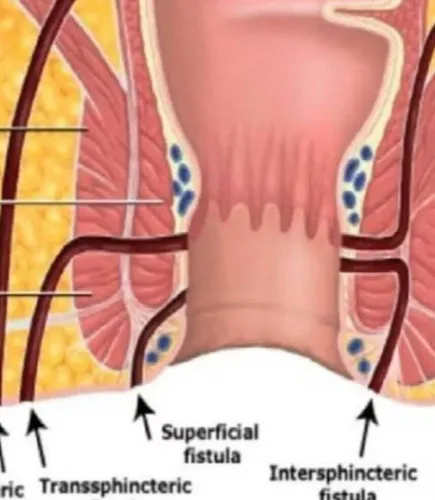
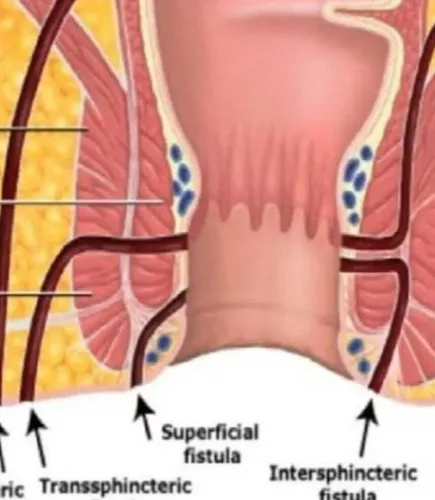
- Does the tract cross the internal or external sphincter, and is it simple, branching or recurrent?
- Do I need pelvic MRI with a fistula protocol, endoanal ultrasound, or no imaging?
- What is the continence risk with each option, based on my previous operations, childbirth, diarrhoea or existing leakage?
- If an abscess is present, will you drain it first, place a seton, or perform definitive surgery later?
- How many reviews, wound checks and bowel-management instructions are included after treatment?
| Option | What it means | Main trade-off |
|---|---|---|
| Fistulotomy | Opens a low, simple tract | Reliable healing, but cutting substantial sphincter can impair continence |
| Seton | Keeps drainage open through a sphincter-involving tract | Controls infection; often needs staged treatment |
| LIFT or advancement flap | Closes the tract while preserving sphincter muscle | Lower muscle injury, with technique-specific healing risk |
| Drainage only | Treats an acute abscess | Relieves pressure but does not remove a persistent fistula |
ChirayuHealthcare Polyclinic&Diagnostics is one local option to question about imaging access, seton care and named follow-up responsibility rather than booking from a service label alone. Bring your symptom timeline and previous operative records.
Related service
Fistula Surgery we are specialized in complex fistula surgeries View service → |
Frequently asked questions
Which recurring symptoms point to an anal fistula?
A recurring opening or lump beside the anus, pus, foul-smelling discharge, throbbing pain, and swelling can indicate an anal fistula. Book a general surgeon’s assessment rather than waiting for the opening to close repeatedly.
How can you tell a fistula from piles, a fissure, or an abscess?
Piles are swollen veins that can cause bleeding or a lump. A fissure is a tear that causes sharp pain during bowel movements. An abscess is a painful collection of pus. A fistula is a persistent tunnel that often drains through an opening near the anus.
Can monsoon conditions worsen symptoms without causing a fistula?
Yes. Humidity, sweating, friction, and difficulty keeping the area dry can increase irritation and discomfort. These conditions do not by themselves create an anal fistula, so recurring discharge or swelling still needs examination.
What happens during a general surgeon’s first fistula examination?
The surgeon asks about pain, discharge, swelling, bowel movements, and previous abscesses. They inspect the skin around the anus and perform an examination when needed, then explain whether further imaging or treatment is appropriate.
How should you choose anal fistula treatment in Vikhroli?
Choose a qualified general surgeon who explains the diagnosis, the fistula’s tract, treatment options, wound care, recovery time, and risks. Ask where follow-up will occur and what symptoms require urgent review.