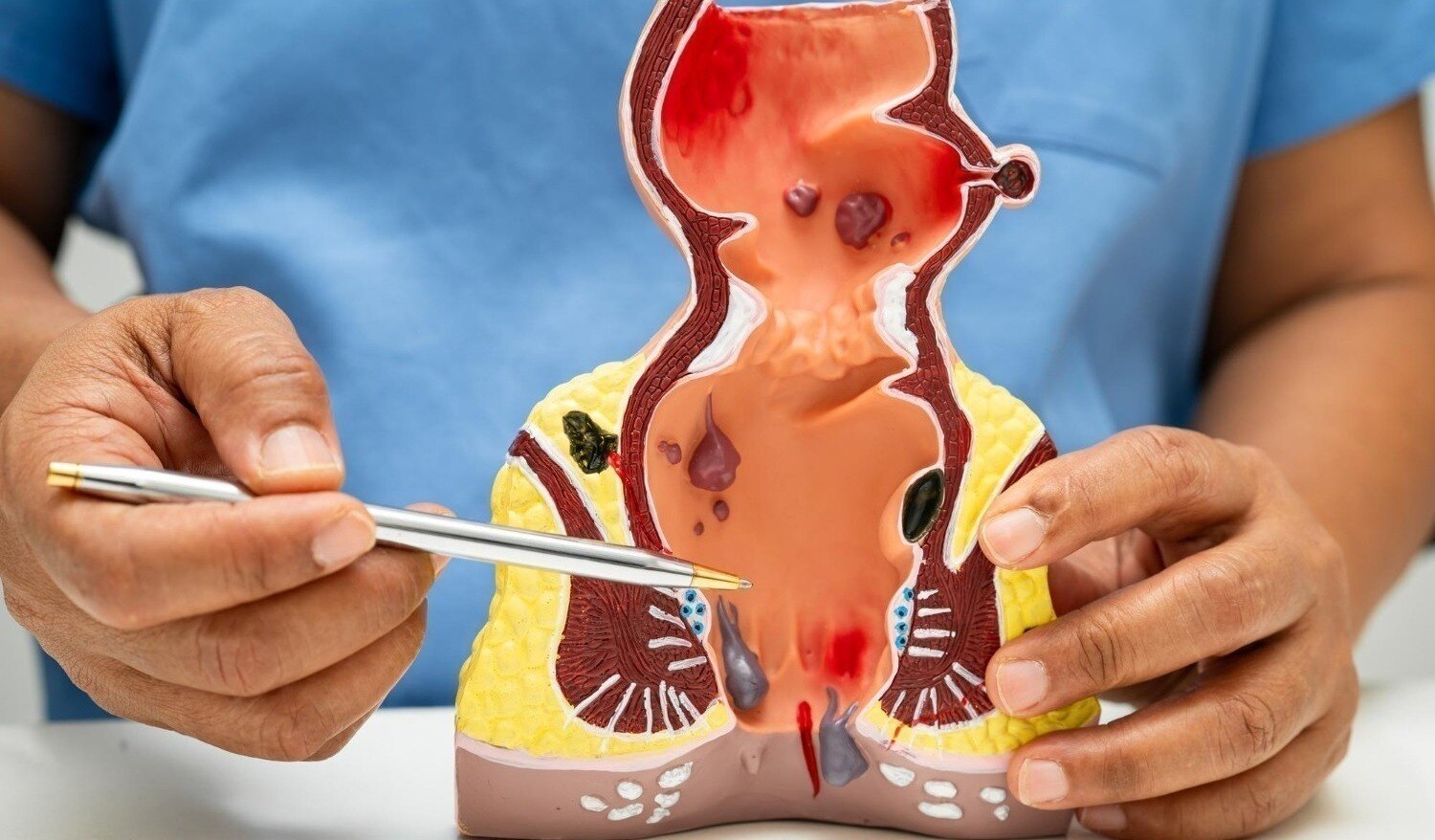
Bleeding, pain and a lump at the anus do not identify the same condition, so booking a laser procedure before confirming the diagnosis can lead to the wrong treatment. You will learn how specialists distinguish fissures from haemorrhoids, what each laser procedure involves, which tests and package items to confirm, and when another treatment is more suitable.
Key takeaways
- Confirm whether pain indicates a fissure, piles or a thrombosed haemorrhoid.
- Ask which fissure treatment applies and what laser surgery actually changes.
- Request an itemised package listing consultation, anaesthesia, procedure and follow-up fees.
- Compare recovery instructions, emergency access and the surgeon’s proctology experience.
How a specialist tells a fissure from piles before treatment
Sharp pain during and after a bowel movement points more toward an anal fissure, a tear in the anoderm, than piles. Internal haemorrhoids more commonly cause painless bright-red bleeding or tissue that prolapses. An external or thrombosed haemorrhoid can cause a tender lump, but bleeding or a lump alone does not establish the diagnosis.
Before booking, the specialist usually:
- Asks when symptoms began, whether stools are hard or loose, how often you strain, which treatments you have tried, and whether bleeding continues between bowel movements.
- Inspects the anus for a fissure, sentinel pile, swelling, prolapse, discharge or another visible cause.
- Performs a digital rectal examination when pain allows, then uses anoscopy when appropriate to view the anal canal and internal haemorrhoids.
- Delays or modifies the internal examination if severe pain makes it unsuitable, using local anaesthesia or reassessing after the acute episode settles.
A complete fissure treatment before booking assessment also covers inflammatory bowel disease, prior anal surgery, continence symptoms, obstetric sphincter injury and medicines such as anticoagulants. Iron-deficiency anaemia, weight loss, changed bowel habits or a relevant family history can require colon evaluation rather than assuming piles caused the bleeding.
A blood count or coagulation test is ordered when the history or planned anaesthesia makes it relevant; not every patient needs every test.
Which fissure is treated, and what laser fissure surgery involves
An acute fissure often improves without an operation through stool-softening treatment, fibre, fluids, topical calcium-channel blockers or nitroglycerin, and sometimes botulinum toxin. Surgery is considered for a chronic fissure that has not healed after appropriate treatment, especially when a sentinel pile, thickened edges or exposed internal sphincter is present.
| Fissure or finding | Usual implication | What to clarify |
|---|---|---|
| Acute, recent fissure | Continue medical treatment first | Expected healing time and stool plan |
| Chronic fissure with scarred edges | Consider fissurectomy or sphincter treatment | Exact operation and alternatives |
| Lateral or multiple fissures | Investigate inflammatory bowel disease, infection, malignancy or another cause | Whether further tests are needed |
Laser fissure surgery details vary because “laser” is not one standard operation. The surgeon may perform a laser fissurectomy, using laser energy to treat the scarred edges and base without dividing the sphincter. Ask whether the proposed operation is laser fissurectomy, lateral internal sphincterotomy, botulinum toxin injection or a combination.
The usual sequence is:
- Complete pre-anaesthetic review and receive bowel and medication instructions.
- Have anaesthesia or sedation, then lie in lithotomy or prone jackknife position.
- Allow inspection of the fissure and treatment of unhealthy tissue, with haemostasis.
- Leave the wound open to heal with dressings, sitz baths and stool-softening medicines when appropriate.
- Remain under recovery monitoring after the laser is switched off.
Sphincter division can improve healing but needs particular discussion if you have impaired continence or a previous obstetric sphincter injury.
What laser piles surgery does for each type and grade of haemorrhoid
Grade II and selected grade III internal haemorrhoids are the cases most likely to suit laser haemorrhoidoplasty. Examination and anoscopy establish whether the disease is internal, external or mixed, then document the grade, degree of prolapse and external component before booking laser piles surgery.
In laser haemorrhoidoplasty, a fibre delivers controlled energy into the internal haemorrhoidal cushion. The heat shrinks the tissue and reduces its blood supply instead of cutting out the entire haemorrhoid.
- Anaesthesia or sedation is given, and you are positioned for access to the anal canal. An anoscope exposes each internal haemorrhoid.
- The surgeon inserts the fibre at planned points within the haemorrhoidal cushion, delivers measured energy, withdraws the fibre and treats the next target.
- The surgeon checks the treatment sites for bleeding before you move to recovery monitoring.
This method does not remove every external skin tag or large prolapsing component. Large external haemorrhoids, thrombosis, substantial prolapse and mixed disease may require excisional haemorrhoidectomy, MIPH or another operation instead.
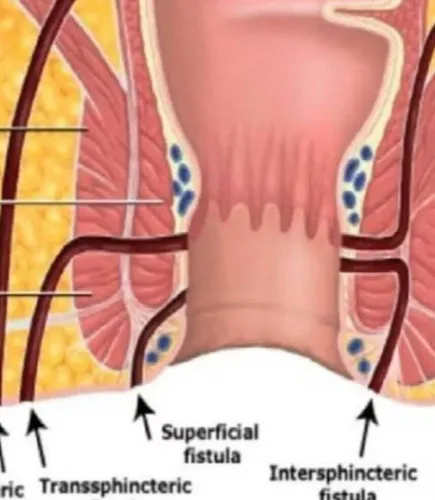
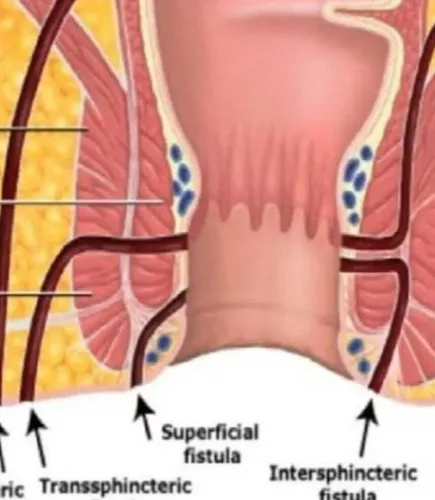
Laser does not automatically treat a fissure, fistula or abscess. Fibre, fluids, constipation treatment, toileting changes and rubber-band ligation remain valid alternatives when they match the symptoms and anatomy.
Ask for the exact procedure name, grade and exclusions in writing: “laser proctology treatment” is a broad label, and laser piles surgery inclusions do not prove that laser coagulation is the best choice.
What a laser treatment package includes—and what you must price separately
A quotation for laser treatment is complete only when it names every service, not just the fibre procedure. Ask a fissure specialist whether “laser for piles treatment included” covers consultation, inspection and anoscopy, pre-anaesthetic assessment, procedure-room or operating-room charges, laser fibre, consumables, anaesthesia or sedation, recovery monitoring, medicines and scheduled follow-up.
Request these laser piles surgery inclusions in writing:
- Pathology, if tissue is removed. Laser haemorrhoidoplasty usually produces no specimen because it shrinks the haemorrhoid rather than excising it.
- Review for persistent bleeding, urinary retention, infection, severe pain or recurrence; ask who pays for emergency assessment or another procedure.
- The exact procedure name, expected anaesthesia, tissue treated and every exclusion. “Laser” can mean different techniques.
Condition | Confirm in the quotation | Why it matters
Internal haemorrhoids | Grade and prolapse covered | Laser haemorrhoidoplasty may leave advanced prolapse or recurrence
External or thrombosed piles | Included, excluded or separately priced | A fibre treatment may not remove a painful lump or external tissue
Skin tags, fistula or abscess | Separate treatment and fee | These conditions need different management
Chronic fissure | Laser fissurectomy or another named treatment | Treating haemorrhoids does not repair a fissure
A fissure operation does not remove a prolapsing haemorrhoid. Also confirm whether medicines, pathology, complication management and follow-up remain payable outside the headline price.
How to compare the recommendation, recovery plan and provider
Book the operation only when its expected benefit matches your anatomy and the trade-off is written down. Laser haemorrhoidoplasty can reduce early wound pain and wound-care demands, but it may leave external tags or advanced prolapse, with residual or recurrent haemorrhoids.
| Option | Main benefit | Main trade-off |
|---|---|---|
| Laser haemorrhoidoplasty | Less early wound pain for selected grade II or some grade III internal haemorrhoids | External tags, advanced prolapse, residual or recurrent haemorrhoids may remain |
| Excisional haemorrhoidectomy | More complete treatment for bulky mixed disease | Larger wound and greater wound-care burden |
| Laser fissurectomy | Treats scarred fissure tissue without assuming sphincter division | Ask why it beats topical treatment, botulinum toxin or lateral internal sphincterotomy; assess continence risk |
For a fissure, ask why laser fissurectomy is preferred over topical calcium-channel blockers, nitroglycerin, botulinum toxin or lateral internal sphincterotomy. The answer should reflect chronicity, prior treatment, continence symptoms and any obstetric sphincter injury.
Your discharge plan should state how fluids, fibre or prescribed laxatives will keep stools soft, when to take analgesia, how to avoid straining and when normal activity can resume. Fever, pus, inability to urinate, heavy bleeding, worsening pain or a rapidly enlarging painful lump needs prompt review.
- Confirmed diagnosis and haemorrhoid grade
- Exact operation and anaesthesia
- Inclusions, exclusions and complication charges
- Named operating provider and emergency contact
- Follow-up schedule and recurrence plan
A consultation at ChirayuHealthcare Polyclinic&Diagnostics in Vikhroli can help compare those documents and diagnostic findings; choose the confirmed treatment, not the marketing label.
Related products
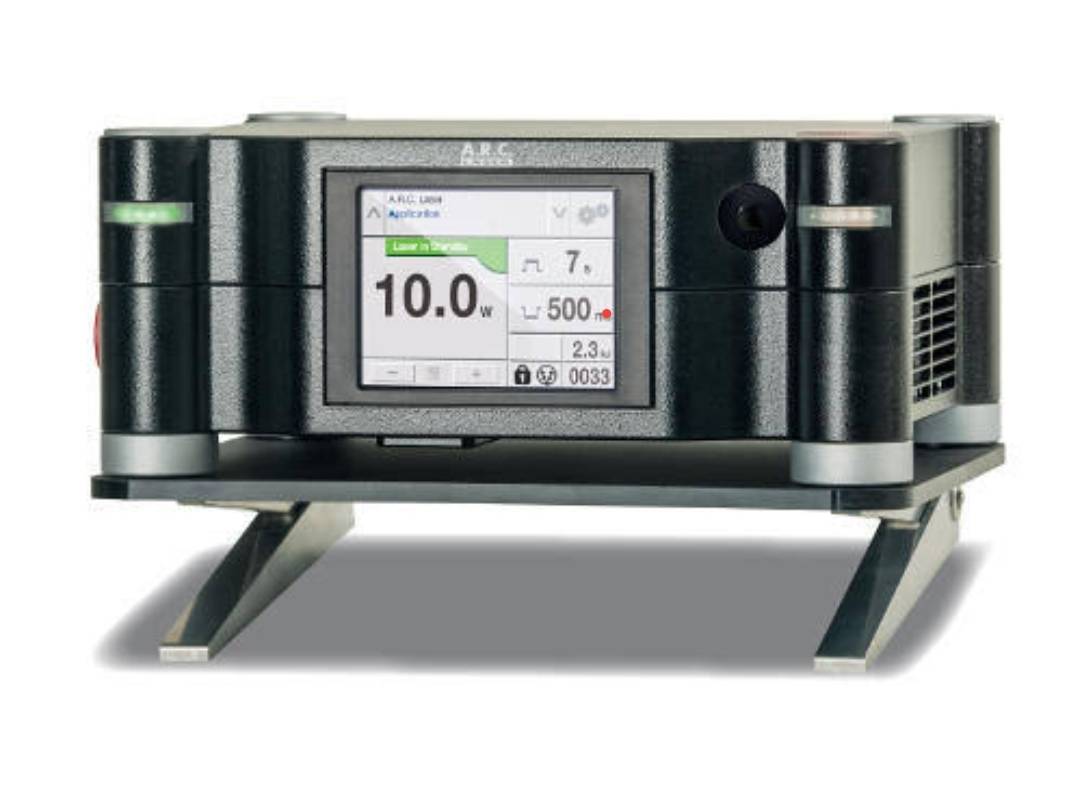 | Laser Piles Laser Fissure Surgery Laser Piles Surgery, Laser Fissure Surgery We are specialized in Laser Treatment of Fissure and Piles, It is one of the most Innovative and Painless Treatment of Piles & Fissures View product → |
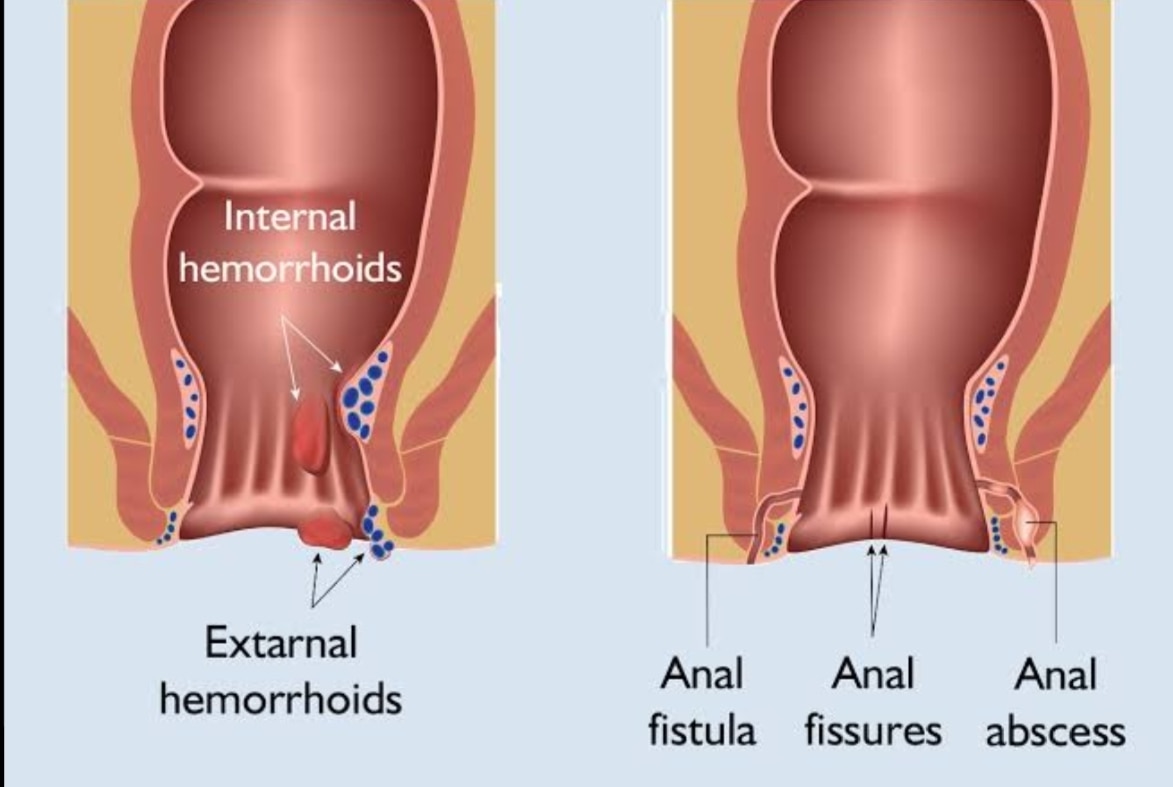 | Proctology Painless piles surgery, Miph, Suture Rectopexy, laser treatment of piles Piles one of the most common cause of Bleeding in motion area. All bleeding needs to be consulted by surgeon to rule out malignancy. View product → |
Frequently asked questions
How does a specialist distinguish an anal fissure from piles before treatment?
A specialist reviews your symptoms and examines the anal canal. Sharp pain during and after bowel movements points more toward a fissure, while internal haemorrhoids more commonly cause painless bright-red bleeding or prolapse. A tender lump can indicate an external or thrombosed haemorrhoid.
Which fissures are treated with laser fissure surgery?
The recommendation depends on whether the fissure is acute or chronic, its symptoms, and findings such as a sentinel skin tag or exposed sphincter fibres. Ask the specialist to explain the diagnosis, alternatives and exactly what the laser procedure will treat.
What does laser piles surgery do for different haemorrhoid types and grades?
The procedure depends on whether haemorrhoids are internal, external or thrombosed, and on the internal haemorrhoid grade. Ask whether the plan reduces blood flow, shrinks tissue, removes a clot or treats prolapsed tissue, because laser is not one identical operation for every case.
What should a laser proctology treatment package include?
Request an itemised quote covering the consultation, examination, preoperative tests, surgeon and anaesthetist fees, operating-room charges, laser equipment, medicines, dressings, follow-up visits and emergency contact. Confirm whether hospital admission, pathology, repeat tests and treatment of complications cost extra.