Laser can treat selected internal haemorrhoids, but severe anal pain is not enough to identify piles or choose a procedure. By the end, you will know which symptoms need urgent examination, how doctors confirm the diagnosis, what laser treatment involves, and how it compares with other piles treatment options.
Key takeaways
- Severe pain needs examination before choosing laser treatment.
- A painful lump may be thrombosis, fissure, infection, or trapped prolapse.
- Laser treatment suits selected haemorrhoids, not every grade or location.
- Compare recovery, risks, recurrence, and surgeon experience before deciding.
When painful piles need examination before laser treatment
A piles doctor can treat selected haemorrhoids with laser, but severe pain must be explained before you choose it. Internal haemorrhoids commonly cause bright-red bleeding or tissue prolapse without severe pain. A painful lump may instead indicate external thrombosis, an anal fissure, infection, or a trapped prolapse.
Seek urgent assessment if you have:
- Rapidly worsening or severe anal pain
- Fever, spreading redness, or pus
- A prolapsed lump that becomes trapped outside the anus
- Inability to pass urine or stool
- Dizziness, fainting, or heavy, persistent rectal bleeding
A sudden, hard, tender lump near the anus suggests a thrombosed external haemorrhoid. When symptoms are severe and recent, a doctor may recommend removing the clot and affected tissue; timing, examination findings, and bleeding risk determine whether that is appropriate.
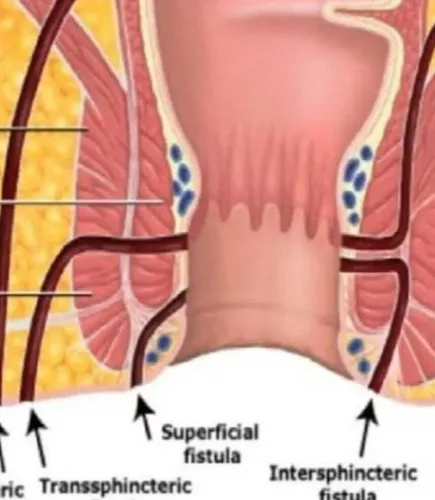
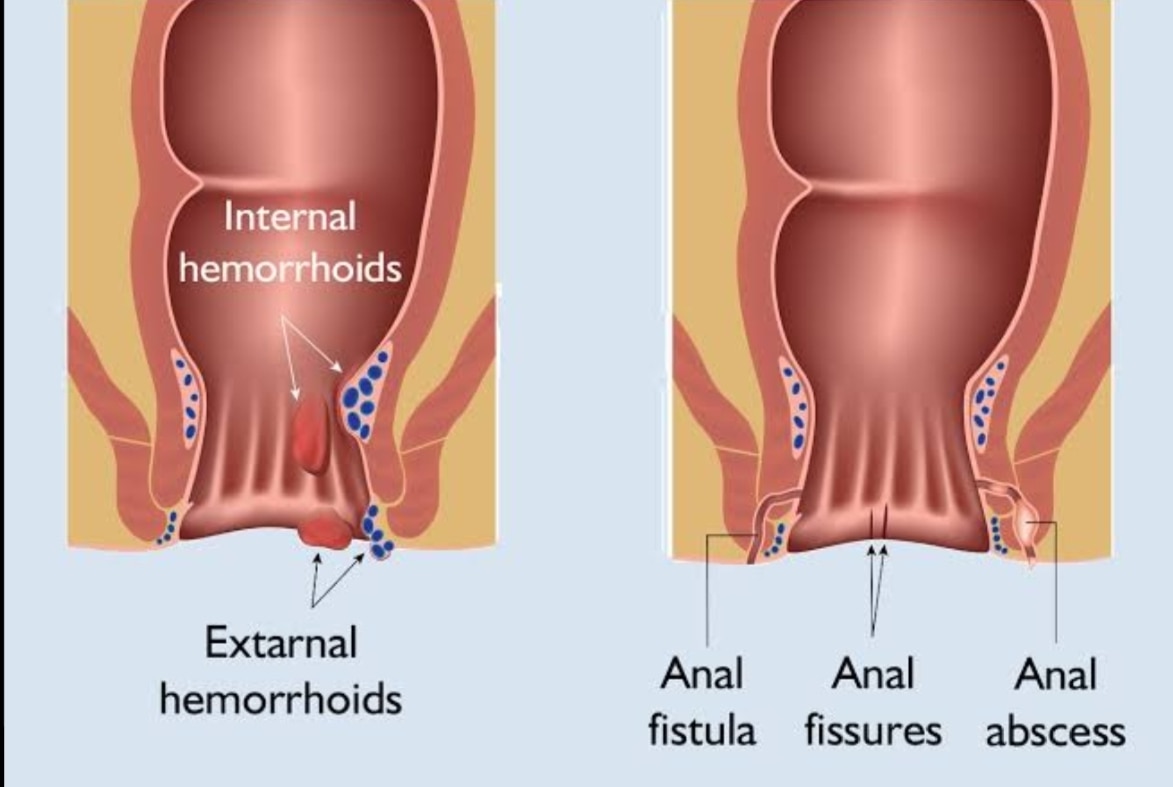
Pain with a skin tear, especially during bowel movements, suggests an anal fissure. Fever, redness, or pus raises concern for an abscess or fistula, and an abscess needs drainage rather than laser haemorrhoid treatment.
Do not book elective treatment from a search for laser piles treatment near me alone. Ask for an examination before consenting to laser treatment, particularly if the pain started suddenly or differs from your usual symptoms. Delaying assessment can allow an infection, significant bleeding, or strangulated prolapse to worsen.
How a doctor confirms piles instead of another anorectal condition
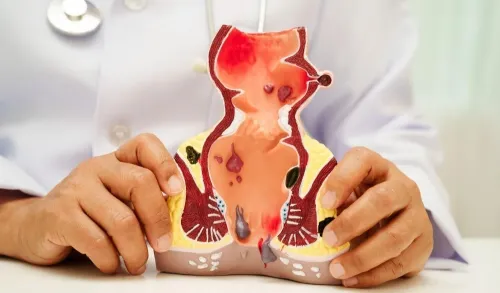
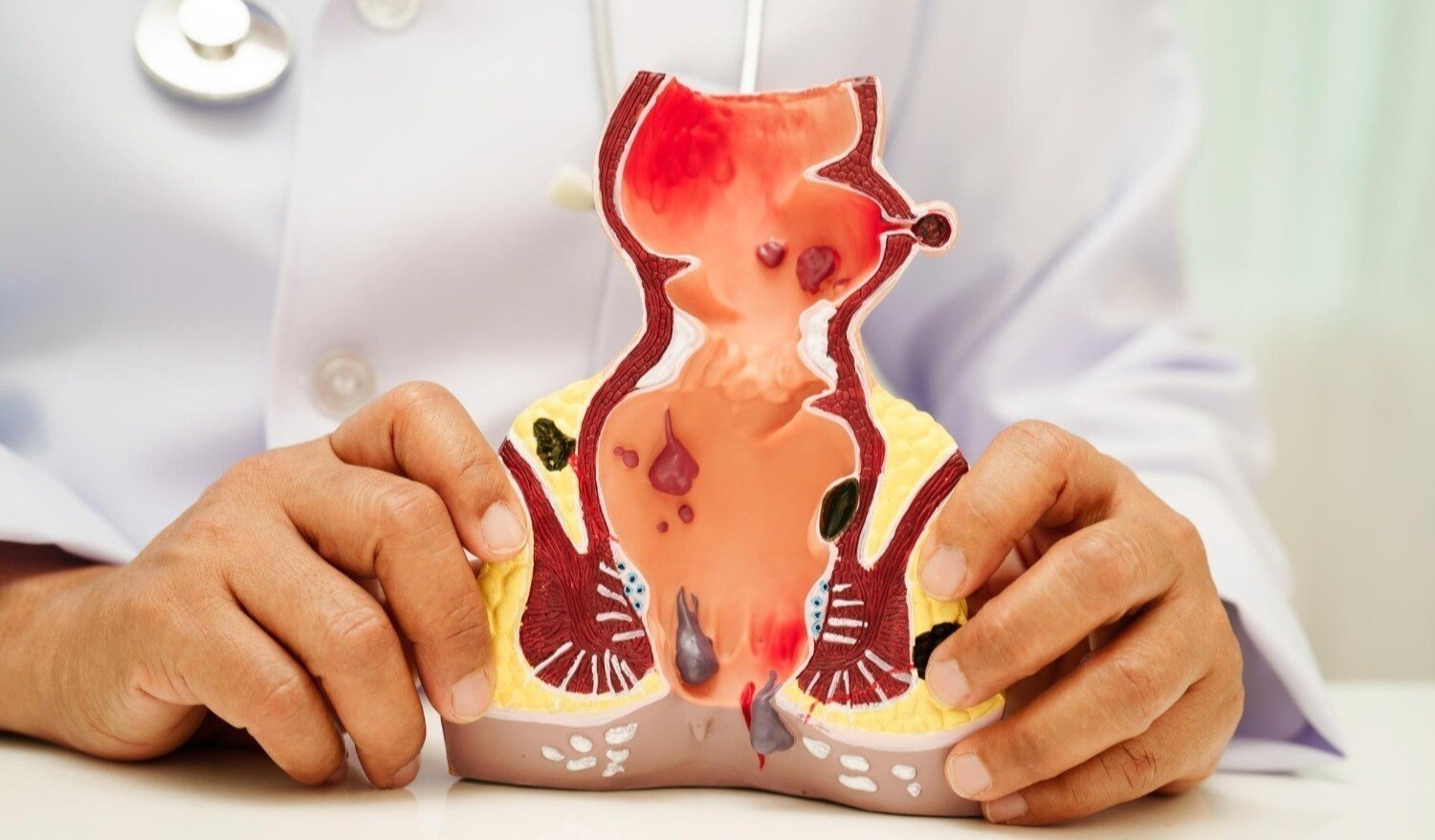
A piles doctor in Vikhroli should identify the source of your symptoms before recommending laser. “Piles” is not a diagnosis by itself: internal haemorrhoids commonly cause bright-red bleeding or prolapse, while severe pain can point to another condition.
- Inspection checks for external swelling, a fissure or skin tear, prolapse, skin changes, a hard or discoloured lump, and a draining opening that could indicate a fistula.
- A digital rectal examination checks tenderness, a mass and sphincter tone. This examination helps identify findings that do not fit straightforward haemorrhoids.
- Anoscopy allows the clinician to view the anal canal and internal haemorrhoids directly. The clinician must distinguish piles from an abscess, fistula, thrombosed external haemorrhoid, inflammatory bowel disease and colorectal cancer.
Rectal bleeding should not automatically be attributed to haemorrhoids. Depending on your age, screening history, family history of colorectal cancer, anaemia, bowel-habit changes and bleeding pattern, the doctor may recommend colon evaluation, such as a colonoscopy.
Tell the doctor whether the pain began suddenly, whether the lump is hard or discoloured, and whether you have fever, diarrhoea, weight loss or discharge. Severe or worsening pain, fever, pus, spreading redness, difficulty passing urine, dizziness, fainting or heavy bleeding needs prompt assessment. These details can change the diagnosis and treatment entirely.
Which haemorrhoid grades and locations may suit laser treatment
Laser haemorrhoidoplasty mainly suits selected grade II and grade III internal haemorrhoids with limited prolapse, not every painful pile. The grade describes how far the haemorrhoid moves out of the anal canal:
| Grade | What happens | Usual treatment direction |
|---|---|---|
| Grade I | Remains inside the anal canal | Fibre, fluids, constipation treatment, or office procedures such as rubber-band ligation, infrared coagulation, or sclerotherapy |
| Grade II | Prolapses during straining, then returns inside without help | Bowel-habit treatment or an office procedure; laser may suit selected cases |
| Grade III | Prolapses and needs manual replacement | Laser may suit selected internal cases with limited prolapse; larger prolapse may need another operation |
| Grade IV | Remains prolapsed and cannot be pushed back | Laser is not a universal solution; excisional surgery or another operation may be needed |
Internal and external haemorrhoids are different tissues. Rubber-band ligation and many energy-based procedures target internal haemorrhoids; applying them to external skin can cause severe pain.
A large external haemorrhoid, a painful thrombosed lump, an abscess, or extensive grade IV disease needs a different assessment. Severe pain does not prove that laser is suitable. Mixed internal and external disease may require a combined plan.
Your piles treatment options depend on grade, location, prolapse, bleeding, pain, and the surrounding tissue—not simply on whether laser equipment is available.
What laser piles treatment involves and what “painless” really means
Laser can treat selected painful piles, but the surgeon must first confirm the diagnosis and grade the haemorrhoids. A piles doctor for laser treatment in Vikhroli should check whether pain comes from internal prolapse, a fissure, thrombosis or infection before recommending an operation.
Laser treatment is not one standard procedure:
| Operation | What happens | Pain and wound expectations |
|---|---|---|
| Laser haemorrhoidoplasty | A small probe passes through punctures and delivers energy that shrinks and coagulates internal haemorrhoidal tissue | Tissue is usually sealed or reduced, with less early pain than excision |
| Laser haemorrhoidectomy | Laser energy cuts away haemorrhoidal tissue | It creates a wound, so wound care and pain expectations differ |
Anaesthesia may be local, regional or general, depending on the operation and the number of haemorrhoids treated. Ask:
- Which exact operation is proposed?
- How long will it take?
- Will you go home the same day?
- When can normal activity resume?
- Which pain medicines and stool-softening plan will you use?
“Painless” does not mean no pain at any stage. It may describe comfortable anaesthesia or less pain after surgery than conventional excisional haemorrhoidectomy. You can still experience anal pain, bleeding, swelling, constipation, difficulty passing urine, infection or recurrent prolapse. Before discharge, ask which warning signs require urgent review and whom to contact.
How laser compares with other treatments and how to choose a local surgeon
For grade I and many grade II internal haemorrhoids, fibre, fluids and bowel-habit changes can work without an operating-room procedure. Rubber-band ligation, infrared coagulation and injection sclerotherapy are other office-based options.
| Option | Main advantage | Main limitation |
|---|---|---|
| Rubber-band ligation | Effective for internal tissue | Never place it on an external haemorrhoid; severe pain can result |
| Laser haemorrhoidoplasty | Less early pain than excision | Prolapse can recur if the tissue remains |
| Excisional haemorrhoidectomy | More definitive for large external components or advanced prolapse | More painful recovery |
| Stapled haemorrhoidopexy | Easier early recovery in selected cases | Narrower indications and possible recurrence |
| Haemorrhoidal-artery ligation | Less tissue removal and easier early recovery | Recurrence can be higher than with excision |
Laser haemorrhoidoplasty often means less early pain and a quicker return to routine activity than excisional surgery. Its long-term evidence is less extensive, and untreated prolapsing tissue can require another procedure.
If you search for laser piles treatment near me, ask these questions before booking:
- Which exact laser method will you use: haemorrhoidoplasty or laser excision?
- Which grades and internal or external locations do you treat?
- What are your recurrence and reintervention rates?
- What anaesthesia, alternatives and complication plan apply?
A laser piles surgeon in Vikhroli should discuss non-laser choices and what happens if examination finds a fissure, thrombosis or abscess. ChirayuHealthcare Polyclinic&Diagnostics can be one local service to question on these points, provided the consultation examines you rather than recommending laser by default.
Related products
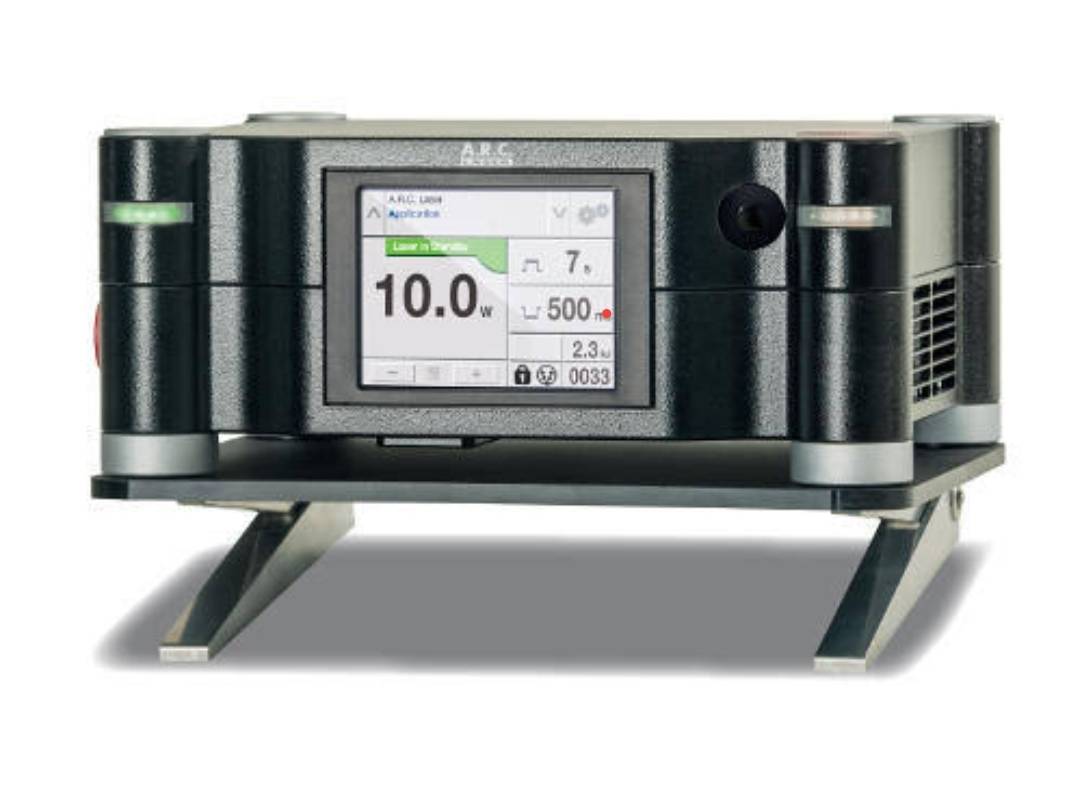 | Laser Piles Laser Fissure Surgery Laser Piles Surgery, Laser Fissure Surgery We are specialized in Laser Treatment of Fissure and Piles, It is one of the most Innovative and Painless Treatment of Piles & Fissures View product → |
 | Proctology Painless piles surgery, Miph, Suture Rectopexy, laser treatment of piles Piles one of the most common cause of Bleeding in motion area. All bleeding needs to be consulted by surgeon to rule out malignancy. View product → |
Frequently asked questions
When do painful piles need examination before laser treatment?
Seek examination when pain is severe, sudden, or accompanied by a painful lump, fever, discharge, difficulty passing stool, or trapped prolapsed tissue. These symptoms can indicate external thrombosis, an anal fissure, infection, or a trapped prolapse rather than routine internal haemorrhoids.
How does a doctor confirm piles instead of another anorectal condition?
A doctor takes a symptom history and examines the anus and rectum. The assessment may include a digital rectal examination and anoscopy to identify haemorrhoids, fissures, thrombosis, infection, or prolapse.
Which haemorrhoid grades and locations may suit laser treatment?
Laser treatment is considered for selected internal haemorrhoids, particularly when enlarged tissue causes bleeding or prolapse. The surgeon must assess the haemorrhoid grade, location, symptoms, external component, and other anorectal conditions before recommending it.
What does laser piles treatment involve, and is it painless?
The surgeon uses laser energy to treat selected haemorrhoidal tissue, usually with anaesthesia. You may feel pressure, soreness, or discomfort during recovery, so “painless” is not a guarantee and depends on the procedure and individual healing.
How should you compare piles treatment options and choose a local surgeon?
Compare laser with medicines, dietary changes, rubber-band ligation, sclerotherapy, stapled procedures, and conventional surgery according to haemorrhoid grade, symptoms, recovery, recurrence, and risks. Ask a local surgeon about diagnosis, recommended alternatives, anaesthesia, aftercare, complications, and experience with your condition.
Related service
Morvyat we are specialized in Painless morvyat- piles surgery View service → |