An operation through the navel still leaves a real wound that needs inspection, and recovery depends on pain, digestion, medicines, and the type of work you do. By the end, you will know how to care for the incision, resume daily activities, prepare for review, and recognise symptoms that need urgent surgical assessment.
Key takeaways
- Expect soreness and bruising around the navel incision, not a wound-free recovery.
- Walk early, but delay strenuous exercise until your surgeon clears it.
- Do not drive while taking opioid pain medicine or before emergency braking feels safe.
- Seek urgent assessment for fever, worsening pain, jaundice, vomiting, or wound discharge.
What “scarless” means for your wound and the first few days
“Scarless” gallbladder surgery usually means single-incision laparoscopic surgery (SILS), with instruments entering through the navel. It does not mean an invisible or wound-free operation. Expect some soreness, bruising, or mild swelling around the umbilical incision; the scar usually flattens and fades over several months, but it can remain visible.
Manage the navel wound according to your discharge instructions:
- Remove or protect the outer dressing only when instructed. Leave surgical glue or Steri-Strips in place; do not pull, pick, or trim them.
- Keep the area clean and dry. Follow instructions about bathing, and do not soak in a bath or swimming pool until the wound has healed.
- Examine the navel daily for separation, pus, spreading redness, increasing swelling, or bleeding.
- Contact the surgical team if the dressing becomes soaked with blood or the wound opens.
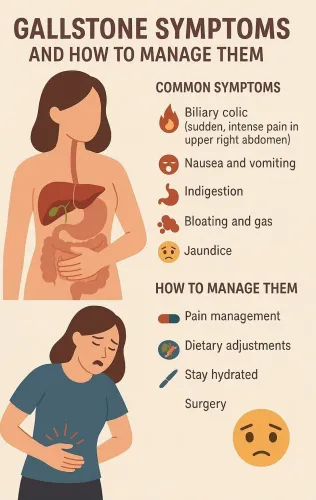
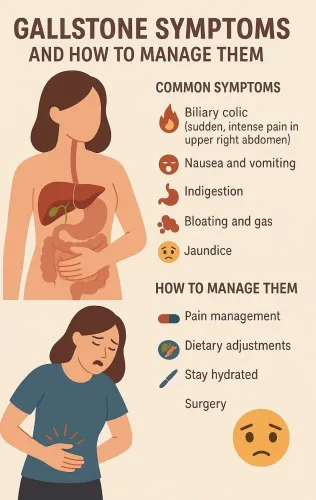
Early scarless gallbladder surgery recovery can include abdominal discomfort, bloating, fatigue, mild nausea, and shoulder-tip pain from carbon dioxide used during laparoscopy. Gentle movement often eases the shoulder pain, and tiredness can outlast incision pain.
Worsening abdominal pain, fever or chills, repeated vomiting, jaundice, faintness, breathlessness, or rapidly increasing swelling is not normal recovery; seek urgent medical advice rather than waiting for a routine review.
A day-by-day recovery guide for walking, work, driving, and exercise
1. On day 1, sip fluids, eat only as tolerated, and take several short walks around the room or home. Movement helps shoulder-tip pain from carbon dioxide settle; rest between walks, and do not stay in bed all day. SILS cholecystectomy aftercare follows your actual operation and complications, not the number of skin incisions.
2. Over the next several days, extend walks gradually and use stairs slowly when you feel steady. Change position to find a comfortable sleep posture, and expect bowel movements to take a little time after anaesthesia, reduced food, and pain medicine.
Shoulder pain usually improves with movement and time, but worsening abdominal pain, vomiting, or fever is not a normal exercise setback.
3. Return to desk work when pain, concentration, and energy allow you to sit comfortably and take movement breaks. Fatigue can last longer than incision pain, so plan shorter hours before a full day.
Driving requires no sedating rescue pain medicine and enough control to turn, check blind spots, and brake hard safely; follow your surgeon’s instructions and insurer’s rules.
4. Delay lifting, physical work, strenuous exercise, and sexual activity until your surgeon has assessed the wound and symptoms and gives activity clearance. Start with easy walking, then add ordinary movement before running, gym training, abdominal exercises, or heavy loads.
A laparoscopic operation can still have complications that make a small navel incision a poor guide to internal recovery.
5. Stop and contact the surgical team if activity causes steadily increasing pain, bleeding, wound separation, breathlessness, or marked dizziness. Recovery should progress from fluids and short walks to normal daily activity, not through pain that worsens each day.
Medicines, meals, bowel changes, and hydration after discharge
Take scheduled pain relief at the prescribed times rather than waiting for severe pain. Use rescue medicine only for breakthrough pain and only within the stated dose and interval. Follow the prescription; do not add ibuprofen, aspirin, blood thinners, or herbal products without surgeon approval.
If you vomit after taking a dose, contact the surgical team or pharmacist before repeating it.
During scarless gallbladder surgery recovery, progress food as your stomach allows:
- Start with clear fluids such as water, oral rehydration solution, or clear broth.
- Add small portions of soft, easy-to-digest foods when fluids stay down.
- Move towards smaller normal meals instead of large plates.
Drink enough water to keep your urine pale yellow, unless another clinician has restricted fluids. Temporarily reduce fried food, creamy sauces, fatty meat, and other greasy items that trigger cramps, bloating, or diarrhoea. Avoid alcohol while taking sedating medicine and while you feel unwell.
A permanent low-fat diet is not usually required after gallbladder removal. Contact the surgical team if diarrhoea or urgency persists, vomiting continues, dehydration develops, you lose weight, or you cannot eat. Review may need to consider bile-acid diarrhoea, infection, medication effects, retained stones, or another gastrointestinal cause.
What a proper gallbladder surgery follow-up in Vikhroli should include
A proper review starts with the operating team, not a laboratory report. For gallbladder surgery follow up in Vikhroli, expect this schedule:
- Early check: the operating team reviews the navel wound, pain, temperature, eating, drinking, bowel and urinary function, and any drain. Arrange it according to the discharge instructions, especially if symptoms are not steadily improving.
- Later review: return when the histopathology result is available, pain or digestive symptoms persist, liver tests are abnormal, a drain remains, or the operative team recorded a bile-duct, bowel, bleeding, or other concern.
Bring the discharge summary, operative note, medication list, test results, and histopathology report. Ask whether the operation was completed as planned, whether the bile duct or bowel was at risk, when the specimen result will be communicated, and what happens if pain or liver tests remain abnormal.
A suitable general surgeon should examine the navel incision and read the operative record rather than order routine scans automatically. When findings justify investigation, the service should arrange targeted liver blood tests, ultrasound, MRCP, CT, or ERCP, then escalate urgently if a bile leak, retained duct stone, obstruction, or infection is suspected.
ChirayuHealthcare Polyclinic&Diagnostics may be relevant in Vikhroli when its surgical consultation and diagnostic capabilities match these needs; testing alone is not a substitute for surgical examination.
Related products
 | Sils SILS/Scarless Cholecystectomy (single incision laparoscopic Cholecystectomy) SILS SILS is an advanced minimal invasive surgery in which surgery is done exclusively through single incision instead of 3-4 incisions in... View product → |
 | Gall Badder Calculli- stone disease Gall Bladder (Biliary) Stone Treatment Gall Bladder (Biliary) Stone Treatment is done by SILS Ie Single incision laparoscopic surgery which is most advanced form of laparoscopic surgery... View product → |
When recovery needs urgent assessment rather than a routine appointment
Chest pain, severe breathlessness, fainting, heavy bleeding, severe worsening abdominal pain, or rapidly increasing abdominal swelling require emergency assessment immediately. Do not wait for a routine appointment or drive yourself if you feel faint.
| Symptom | Action | What it may indicate |
|---|---|---|
| Chest pain, severe breathlessness, fainting, heavy bleeding | Call emergency services or go to an emergency department now | Bleeding, clot, or another serious complication |
| Severe worsening pain or rapidly increasing swelling | Emergency assessment now | Bile leak, bleeding, obstruction, or infection |
| Fever, jaundice, dark urine, pale stools, repeated vomiting | Contact the surgical team urgently; use emergency care if severe | Infection or a retained bile-duct stone |
| Pus, spreading redness, wound separation, or increasing wound swelling | Contact the surgeon urgently | Wound infection or separation |
| Inability to pass urine or gas, or persistent diarrhoea, vomiting, or digestive symptoms | Seek urgent surgical advice; go to an emergency department if severe | Urinary trouble, bowel obstruction, medication effects, or another complication |
These symptoms should not wait for routine follow-up. When choosing the best general surgeon follow up after scarless for gallbladder surgery in Vikhroli, choose a service that can examine you, review the operative record, and arrange blood tests, imaging, admission, or ERCP when needed.
Routine imaging is not automatic when recovery is improving. Ultrasound, liver-function tests, CT, MRCP, or ERCP should match examination findings and symptoms; unnecessary testing adds cost, radiation, contrast, or invasive-procedure risk.
Frequently asked questions
What does “scarless” gallbladder surgery mean?
It usually means single-incision laparoscopic surgery, or SILS, with instruments entering through the navel. The incision can cause soreness, bruising, swelling, and a scar that fades over time.
When can you walk, work, drive, and exercise after SILS cholecystectomy?
Start short, easy walks as soon as you feel steady. Return to desk work when pain and tiredness allow, delay driving until you can perform an emergency stop comfortably and are not taking opioid pain medicine, and resume strenuous exercise only after surgical clearance.
What should a gallbladder surgery follow-up in Vikhroli include?
The surgeon should inspect the umbilical wound, review pain control, eating, bowel movements, activity, and medicines, and check for infection, bile leakage, jaundice, or other complications.
When does recovery need urgent assessment?
Contact a surgical service urgently for worsening or severe abdominal pain, fever, repeated vomiting, yellow eyes or skin, increasing abdominal swelling, breathlessness, fainting, or redness and pus at the incision.