

Pilonidal disease can range from a few midline skin pits to a branching tract or a painful abscess in the cleft between the buttocks. By the end, you will know how a surgeon confirms the diagnosis, what happens before and during laser treatment, how recovery works, and when another operation may be more suitable.
Key takeaways
- Laser suits limited, accessible sinus tracts—not every painful lump or abscess.
- Ask whether active infection needs drainage before laser treatment.
- Keep the cleft clean, dry, and free from loose hair during recovery.
- Compare recurrence risk, wound care, downtime, and surgeon experience before choosing an operation.
What pilonidal disease looks like—and when laser treatment is suitable
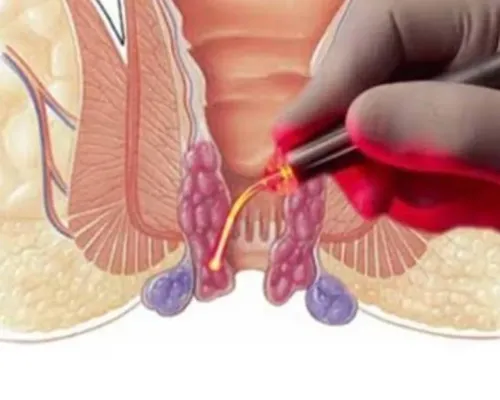
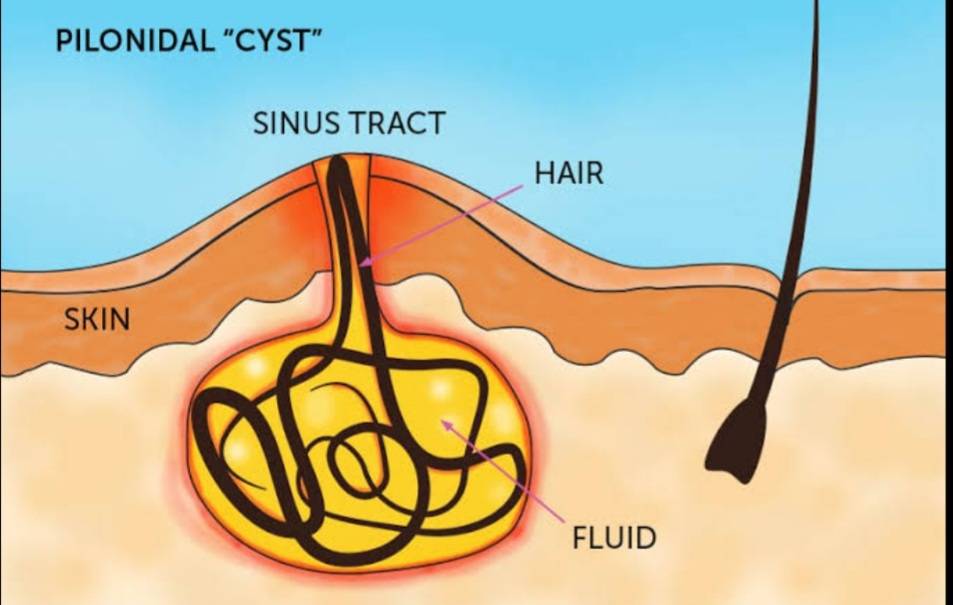
Laser treatment suits a chronic pilonidal sinus with limited, accessible tracts—not every painful lump in the cleft. Hair pushed into the midline by friction can create small skin pits. Bacteria and debris then form a sinus tract beneath the skin; if infection becomes trapped, the area can swell into an abscess containing pus.
A chronic sinus may cause intermittent discharge, staining or tenderness without severe acute pain. An acutely painful, red, fluctuant abscess needs incision and drainage first. Laser ablation through a walled-off abscess does not replace drainage; definitive treatment is considered after the acute infection settles.
Several conditions can look similar:
- A perianal fistula, which connects the anal canal to nearby skin
- Hidradenitis suppurativa, which causes recurring inflamed nodules and tunnels in skin folds
- An infected skin cyst, which forms a separate cyst wall and lump
Examination usually establishes the diagnosis by showing the midline pits, openings, discharge and direction of the tract. Ultrasound or MRI is reserved for atypical anatomy, suspected deep extension or recurrent disease.
A general surgeon weighs these features before offering laser pilonidal sinus surgery:
- Number and position of pits
- Discharge or active infection
- Branching tracts or a large cavity
- Previous drainage or operations
- Depth of the natal cleft and recurrence pattern
A narrow, limited sinus may suit ablation. Extensive branches, a large cavity or recurrent disease may require an off-midline operation instead. The word laser alone does not determine suitability.
How the surgeon assesses you and prepares you on the day
The preoperative assessment determines what happens during pilonidal sinus surgery. The surgeon inspects the midline pits, follows any lateral openings, and checks for discharge, redness, swelling or tenderness. Tell the surgeon about repeated flare-ups, previous drainage, curettage or operations, because scar tissue and hidden branches can change the plan.
The surgeon then decides whether the disease is limited enough for laser ablation or too extensive for another operation, such as an off-midline flap. Examination usually provides the answer; ultrasound or MRI is considered when the anatomy is unusual or recurrent.
- You sign consent after discussing laser treatment, its alternatives and the possibility that the plan must change if branching disease or an abscess is found.
- Follow the fasting instructions for your anaesthetic. Local anaesthetic, sedation, spinal anaesthesia and general anaesthesia have different food, drink and medication rules.
- Give the team a complete list of medicines, including blood thinners, and report every drug allergy. Do not stop prescribed medicine unless they instruct you to do so.
- Change into theatre clothing. The operating team cleans and disinfects the cleft and clips hair only where needed; do not shave the area yourself unless instructed.
- You lie face down or in a supported jackknife position. Staff separate and support the buttocks safely while protecting pressure points.
Many limited procedures are day care: after observation, you leave once you are alert and stable. An overnight stay depends on the anaesthetic, your medical factors and local protocol. Sedation or general anaesthesia requires an adult escort, and you must not drive home.
What happens during the laser pilonidal sinus procedure
Laser treatment usually ablates the sinus rather than excising the entire natal cleft. What happens during pilonidal sinus surgery depends on the number, length and branching of the tracts.
1. The surgeon identifies every skin pit and follows each tract. An opening may be enlarged to reach a narrow or branching channel.
2. Embedded hair, granulation tissue and infected material are removed with a curette, brush or another cleaning instrument. The tract is then irrigated to flush out debris.
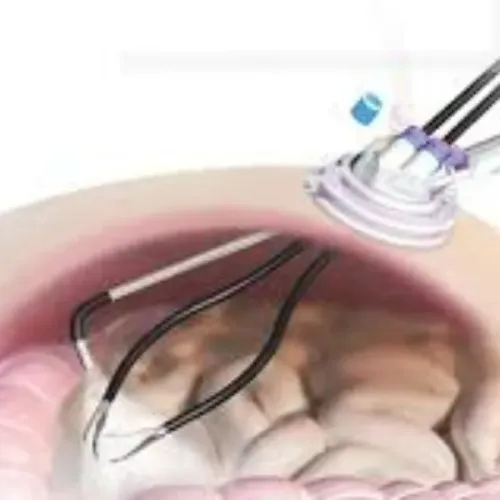
3. The surgeon places a laser fibre inside the cleaned tract, rather than directing the beam across the skin. Many systems use a radial-emitting fibre with a 1,470-nanometre diode laser, but wavelength, energy and equipment vary.
4. The fibre delivers heat as it is withdrawn through the channel. This energy ablates or destroys the tract lining and encourages the walls to collapse.
5. Some techniques use endoscopic visualisation to inspect the tract, but a laser pilonidal sinus procedure does not always include an endoscope.
Laser energy does not remove the deep natal cleft, stop hair growth or permanently eliminate sweating and friction. Those factors can still support recurrence.
At the end, the openings may remain open so fluid can drain, receive small sutures, or require an off-midline closure when the disease is extensive. A large cavity or multiple branches can change the planned operation.
What pilonidal sinus surgery recovery involves after laser treatment
Pilonidal sinus surgery recovery after laser treatment often allows same-day discharge, but only after observation confirms stable vital signs, controlled pain and nausea, and safe walking. A small dressing covers the opening; soreness, swelling, clear or blood-stained drainage, minor bleeding and dressing changes remain possible.
| Activity | Usual timing | Condition |
|---|---|---|
| Light walking | Within days | Stop if pain or bleeding increases |
| Desk work | Within days to about a week | Change position and follow dressing advice |
| Strenuous exercise | Until review | Wait for the surgeon’s clearance |
| Cycling | Until the wound has healed | Pressure and friction can reopen the tract |
| Prolonged sitting | Limit early on | Use position changes rather than relying on a cushion |
Follow the operating team’s instructions for cleaning and drying; do not substitute a home routine. Follow-up lets the surgeon check epithelialisation, persistent openings, infection and branches that were missed or remain untreated.
Laser energy does not remove hair growth, sweating or friction. Keep the cleft dry and ask which hair-removal method and duration apply to you. Shaving is not automatically correct: it can irritate skin and create small cuts.
Published success rates are difficult to compare because studies define success differently and use different follow-up periods. Recurrence can appear months or years later.
Contact the surgical team promptly for fever, worsening pain, spreading redness, pus, heavy bleeding or difficulty passing urine.
How laser compares with other pilonidal operations—and what to ask a Mumbai surgeon
The right operation follows the number, depth and branching of tracts—not the word “laser.”
| Option | Tissue and wound | Better fit | Main trade-off |
|---|---|---|---|
| Laser ablation | Cleans and thermally closes a narrow tract with limited tissue removal | Selected, limited chronic disease | Smaller initial wound, but persistent or recurrent tracts may need repeat ablation or flap surgery |
| Pit picking | Removes pits and nearby tract openings through small wounds | A small number of pits without broad branches | Less suitable when disease spreads laterally or deeply |
| Open excision | Removes diseased tissue; the wound heals by secondary intention | Carefully selected disease requiring excision | Larger wound and longer wound care |
| Bascom cleft lift or another off-midline flap | Larger operation that flattens or moves the cleft | Extensive, recurrent disease or a deep cleft | More invasive surgery, wound care and recovery |
Laser can reduce tissue disruption compared with open excision, but it does not flatten a deep cleft or remove every source of hair, moisture and friction.
Before choosing a pilonidal sinus surgeon in Mumbai, ask:
- How is the diagnosis confirmed, and how often does the surgeon perform laser cases?
- Which fibre and wavelength are used? Is curettage or brushing performed, and is endoscopic visualisation available?
- Will an abscess be drained first? What happens if branching tracts or a large cavity appear?
- What dressing schedule applies, and what are the centre’s documented recurrence and reoperation rates?
ChirayuHealthcare Polyclinic&Diagnostics is one Mumbai setting where you can take these questions to a surgical consultation and compare the proposed operation with your anatomy.
Related product
 | Laser Treatment Of Pilonidal Sinus We are specialized in Laser Treatment of Pilonidal sinus, it is one of the most innovative, advanced, Painless, Short Stay Treatment for Pilonidal... View product → |
Frequently asked questions
What does pilonidal disease look like?
Pilonidal disease can cause small skin pits in the cleft, drainage, recurring swelling, pain, or an abscess filled with pus. A surgeon must assess whether the tract is suitable for laser treatment.
How does a surgeon prepare you for laser pilonidal sinus surgery?
The surgeon examines the pits, openings, sinus tracts, skin condition, and any abscess. You receive instructions about fasting, medicines, hygiene, consent, and transport home based on the planned anaesthesia.
What happens during a laser pilonidal sinus procedure?
The surgeon cleans the area, identifies and opens the sinus entry points, removes hair and infected debris, flushes the tract, and uses a laser fibre to treat the tract lining. The exact steps depend on the number and shape of the tracts.
What does pilonidal sinus surgery recovery involve after laser treatment?
Recovery involves wound checks, dressing changes when prescribed, pain control, gentle washing and drying, avoiding prolonged pressure, and keeping hair from accumulating in the cleft. Contact the surgeon for fever, worsening pain, spreading redness, heavy bleeding, or pus.
How does laser surgery compare with other pilonidal operations?
Laser treatment uses small access points and may reduce the open-wound burden for selected tracts. Excision, marsupialisation, or flap surgery can suit larger, branching, recurrent, or complex disease, so compare wound care, downtime, recurrence risk, and suitability rather than choosing by the word laser alone.