

Bleeding that returns after a previous piles diagnosis deserves a fresh examination, not an automatic repeat of the same treatment. You will learn how to identify warning signs, understand the tests and haemorrhoid grades involved, compare laser with other procedures, and choose a surgeon using questions that reveal whether the proposed treatment fits your case.
Key takeaways
- Do not assume every episode of rectal bleeding is haemorrhoids.
- Ask for an examination that identifies the bleeding source and grades haemorrhoids.
- Compare laser treatment with banding, excision, stapling and MIPH.
- Choose a surgeon who explains recurrence risk and alternatives clearly.
When recurring bleeding may not be piles
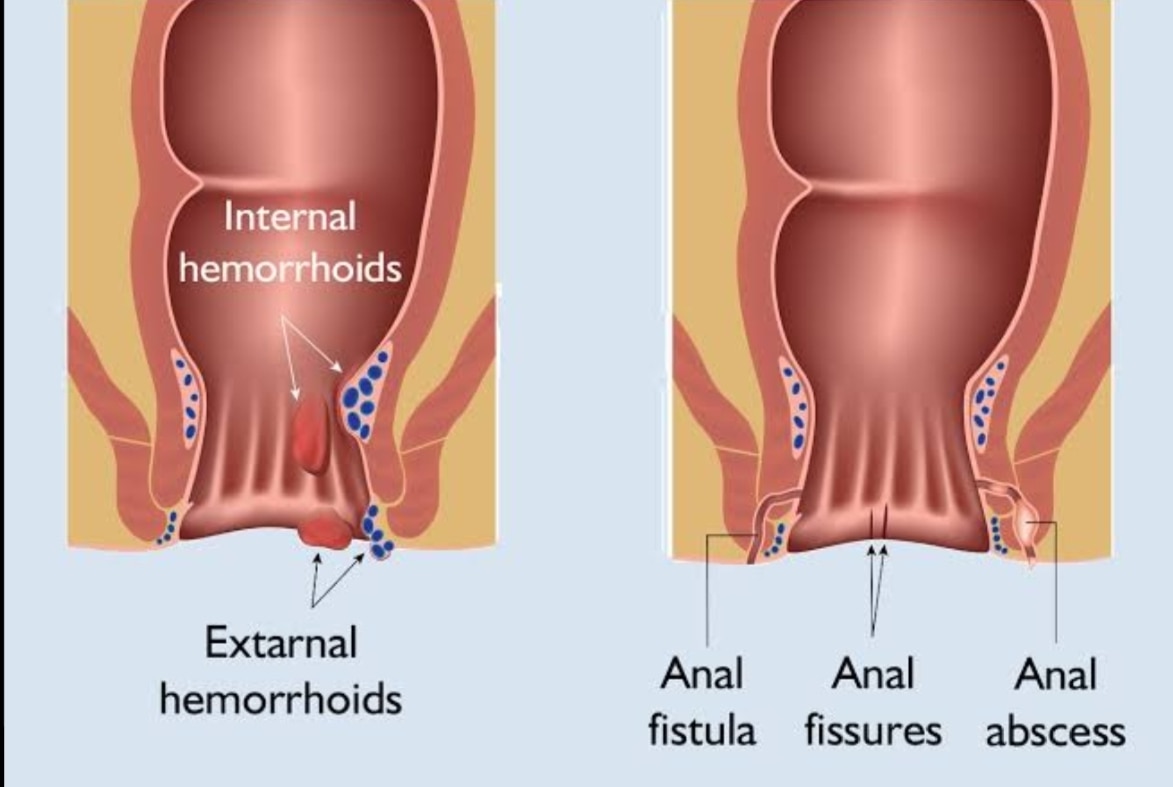
Bright-red blood on toilet paper or coating the stool after straining fits haemorrhoids, but it does not prove them. A fissure causes sharp, tearing pain during and after a bowel movement. Blood mixed into stool, a persistent change in bowel habit, weight loss or anaemia raises concern for colorectal cancer.
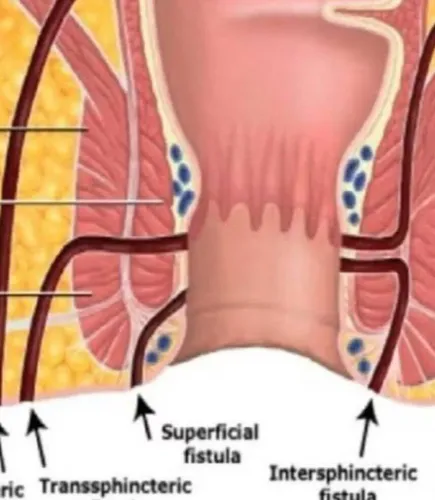
Bloody diarrhoea, mucus and abdominal cramps suggest inflammatory bowel disease. A fistula usually causes a recurring opening, pus, swelling or fever rather than isolated bleeding.
Seek urgent medical care for:
- Heavy, continuous or clot-filled bleeding
- Dizziness, fainting, weakness or a racing heartbeat
- Black, tarry stools or maroon blood
- Severe anal pain, a rapidly growing lump, fever or pus
- Rectal bleeding with weight loss, anaemia, new diarrhoea or constipation, or a persistent change in stool shape
A fresh examination is necessary even after a previous piles diagnosis. Repeating the same procedure without checking the source, haemorrhoid grade, constipation, straining and the earlier operation can miss a fissure, polyp, cancer or inflammatory disease. A surgeon uses your history, inspection, a digital rectal examination and usually anoscopy or proctoscopy.
Colonoscopy or other colon evaluation is appropriate when bleeding is unexplained, symptoms extend beyond the anus, anaemia or weight loss is present, bowel habits have changed, or screening is due. The right recurrent bleeding piles treatment starts with confirmation, not a promise that laser treatment will permanently cure every recurrence.
How a surgeon confirms the source and grades the haemorrhoids
A fresh assessment must confirm that blood is coming from internal haemorrhoids, not simply repeat the previous label. The surgeon asks about bleeding pattern, prolapse, constipation, straining, toilet time, pregnancy, previous procedures and response; recurrent bleeding piles treatment depends on these details.
The examination usually includes:
- Inspection of the anus for prolapse, fissure, skin disease, external haemorrhoids or a fistula opening.
- Digital rectal examination to assess tenderness, masses, sphincter tone and other abnormalities.
- Anoscopy, or proctoscopy, to view the anal canal and identify bleeding internal cushions.
- A complete blood count when bleeding is frequent, heavy or associated with fatigue, to check for anaemia.
Colonoscopy is appropriate when the source remains uncertain, bleeding occurs with altered bowel habit, abdominal symptoms, weight loss or anaemia, or when colorectal-cancer screening is due. A normal anoscopy does not explain bleeding from higher in the colon.
| Grade | What the surgeon finds | Treatment options |
|---|---|---|
| 1 | Bleeds but does not prolapse | Fibre, fluids and constipation control; rubber-band ligation, sclerotherapy, infrared treatment or selected laser techniques |
| 2 | Prolapses during straining but retracts alone | Office treatment, laser or Doppler-guided artery ligation; persistent disease may need another procedure |
| 3 | Prolapses and needs manual reduction | Laser or artery ligation in selected cases; stapled or excisional surgery becomes more relevant |
| 4 | Permanently prolapsed and cannot be reduced | Excisional haemorrhoidectomy is often considered; stapling or laser is unsuitable for some tissue patterns |
Laser is not one standard operation, so ask whether the proposed technique shrinks, coagulates or removes tissue, and what happens if bleeding returns.
What “laser treatment for piles” actually involves
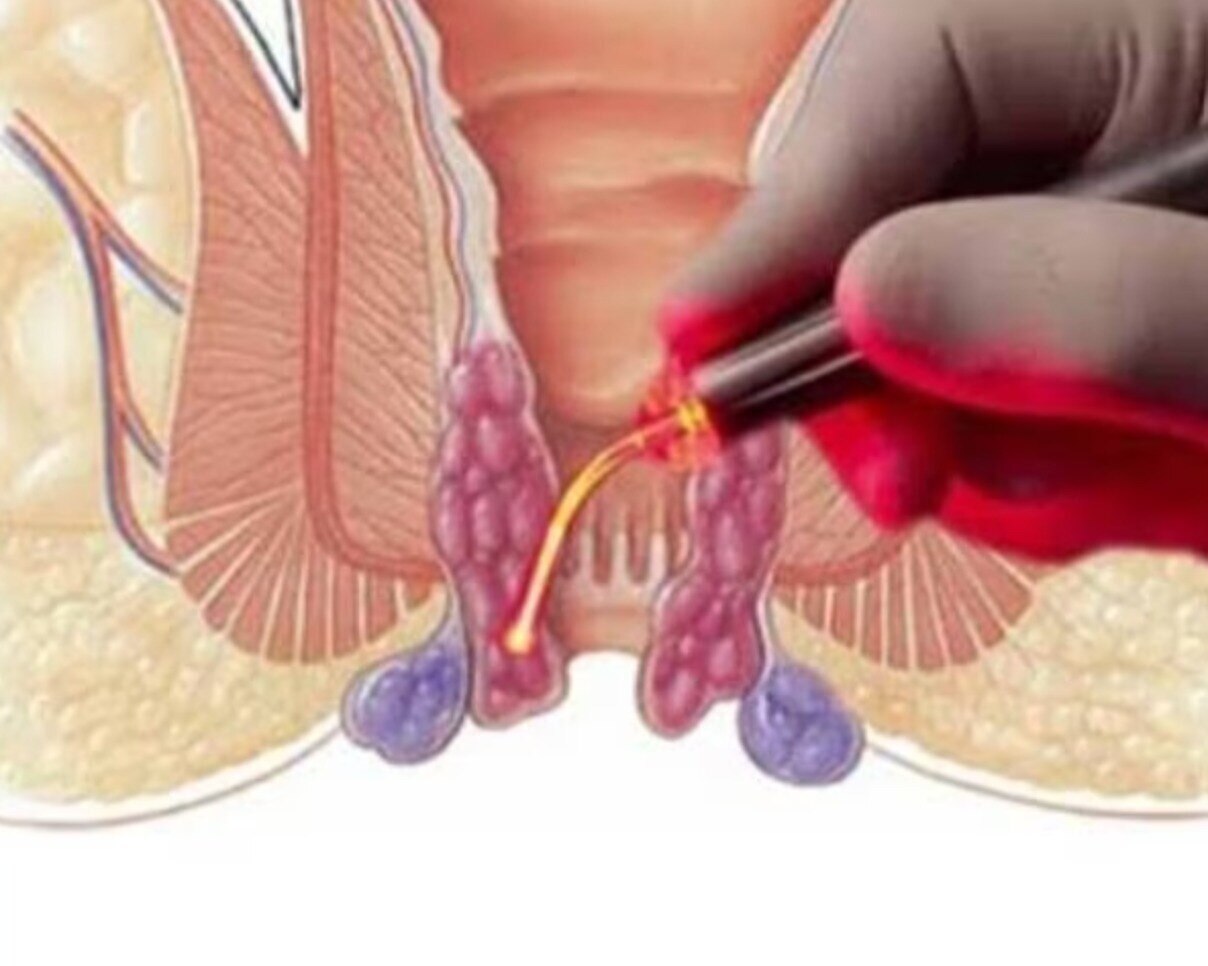
Laser treatment for piles is not one standard operation. The laser may shrink haemorrhoidal tissue, coagulate feeding vessels, remove tissue, or combine these actions. Ask the surgeon to name the exact procedure rather than accepting “laser” as the treatment plan.
- Laser haemorrhoidoplasty delivers energy inside selected internal haemorrhoids, causing them to shrink while reducing blood flow. It does not remove every prolapsing cushion.
- Laser coagulation targets bleeding vessels and is suited to limited internal disease, not a large external lump.
- Laser-assisted excision cuts out haemorrhoidal tissue, so it resembles conventional excision more than a tissue-preserving procedure.
For recurrent bleeding, laser is reasonable only after a fresh examination confirms untreated internal haemorrhoids as the source. It fits best when bleeding comes from grade 2 or selected grade 3 disease with limited prolapse.
A large grade 3 or grade 4 prolapse, persistent external disease, or mixed internal and external haemorrhoids may need a different operation or a combined approach.
Laser haemorrhoidoplasty is not the usual treatment for an external or thrombosed haemorrhoid; painful thrombosis may require clot evacuation or excision. It also does not repair an anal fissure, which needs fissure-directed treatment. Constipation, straining and prolonged toilet sitting must be addressed, because recurrence can follow any procedure.
Before consenting, ask what happens if bleeding returns and whether the proposed method removes prolapsing tissue or only shrinks it.
Laser versus banding, excision, stapling and MIPH
Laser treatment for piles is not one operation: laser haemorrhoidoplasty shrinks tissue, laser coagulation seals vessels, and laser-assisted excision removes tissue. Ask which technique is proposed, because a tissue-shrinking procedure cannot control bulky external disease as reliably as excision.
| Option | Bleeding control and recurrence | Pain and recovery | Cost trade-off |
|---|---|---|---|
| Laser | Good for selected internal haemorrhoids; recurrence data vary by technique and follow-up | Usually less early pain and faster activity than excision | Equipment and facility costs can make it costlier; a repeat procedure adds expense |
| Rubber-band ligation | Effective for bleeding grade I–II and selected grade III internal piles; repeat sessions are common | Office-based, brief recovery, with pressure or discomfort | Usually the lowest-cost staged option, but several visits may be needed |
| Conventional haemorrhoidectomy | Most definitive for large grade III–IV piles, external components and persistent prolapse; bleeding recurrence is generally lower | More postoperative pain and a longer recovery | Higher short-term recovery burden, but fewer repeat treatments |
| Stapled haemorrhoidopexy | Repositions prolapsing tissue with less control of external disease; recurrent prolapse or bleeding can occur | Less early pain and quicker recovery than excision | Device cost is higher, and recurrence can mean further treatment |
| MIPH | Usually refers to the stapled haemorrhoidopexy technique, not a separate laser operation | Similar recovery and limitations to stapling | Includes stapler costs; compare the exact device and fee |
For recurrent bleeding piles treatment, durability matters more than a “one-sitting cure” claim. Constipation, straining, prolonged toilet sitting and pregnancy can promote recurrence after any procedure. A cheaper office treatment may become expensive after multiple sessions; a higher upfront fee may buy quicker recovery, not guaranteed long-term control.
How to choose a surgeon for bleeding piles that keep returning
A recurrent bleed deserves a fresh assessment, not an automatic repeat of the last procedure. A laser piles surgeon in Mumbai should confirm the haemorrhoid grade, bleeding source, constipation or straining pattern, and details of your previous treatment before recommending laser.
Ask these questions before consenting:
- What is your surgical training, registration, and specific experience with laser haemorrhoidoplasty, laser coagulation, or laser-assisted excision?
- Which exact technique will you use, and what is its expected recurrence rate for my grade and prolapse?
- What anaesthesia, day-care observation, pain control, and return-to-work plan apply?
- What happens if bleeding returns, and who answers after hours?
- If tissue is removed, will you send it for histopathology?
- Why is this preferable to banding, Doppler-guided haemorrhoidal artery ligation, stapled haemorrhoidopexy, MIPH, or excisional surgery?
| Option | Main trade-off | Ask when it applies |
|---|---|---|
| Laser | Usually targets or shrinks selected internal tissue; recurrence remains possible | Ask which laser method suits your grade |
| Banding or artery ligation | Less tissue removal, but recurrent bleeding or prolapse can occur | Ask whether your internal haemorrhoids qualify |
| Excision | More early pain, with stronger removal of bulky or external disease | Ask if mixed, large, or recurrent prolapse makes it safer |
A piles surgeon in Mumbai should also give you a scheduled review and a constipation-prevention plan. ChirayuHealthcare Polyclinic&Diagnostics can be considered only after you verify these details directly, rather than choosing on the word “laser” alone.
Related products
 | Laser Piles Laser Fissure Surgery Laser Piles Surgery, Laser Fissure Surgery We are specialized in Laser Treatment of Fissure and Piles, It is one of the most Innovative and Painless Treatment of Piles & Fissures View product → |
 | Proctology Painless piles surgery, Miph, Suture Rectopexy, laser treatment of piles Piles one of the most common cause of Bleeding in motion area. All bleeding needs to be consulted by surgeon to rule out malignancy. View product → |
Frequently asked questions
When might recurring bleeding not be caused by piles?
A fissure causes sharp tearing pain during and after bowel movements. Blood mixed with stool, changed bowel habits, weight loss or anaemia needs assessment for other causes, including colorectal cancer.
How does a surgeon confirm and grade bleeding haemorrhoids?
The surgeon reviews your symptoms, examines the anus and rectum, and may use anoscopy to identify the source. Haemorrhoids are graded by how far they prolapse and whether they return inside without assistance.
What does laser treatment for piles involve?
Laser treatment uses a laser fibre to shrink or close blood flow within selected haemorrhoidal tissue. The exact method depends on haemorrhoid grade, prolapse and the surgeon’s assessment.
How does laser treatment compare with banding, excision, stapling and MIPH?
Banding suits selected internal haemorrhoids, while excision removes haemorrhoidal tissue. Stapling and MIPH reposition or remove a circumferential ring of prolapsed tissue. Compare pain, recovery, recurrence and suitability rather than choosing by the word laser alone.
How should you choose a surgeon for bleeding piles that keep returning?
Choose a surgeon who confirms the bleeding source, records the haemorrhoid grade, explains alternatives and discusses why recurrence happened. Ask about follow-up and what happens if symptoms return.
Related service
Morvyat we are specialized in Painless morvyat- piles surgery View service → |