


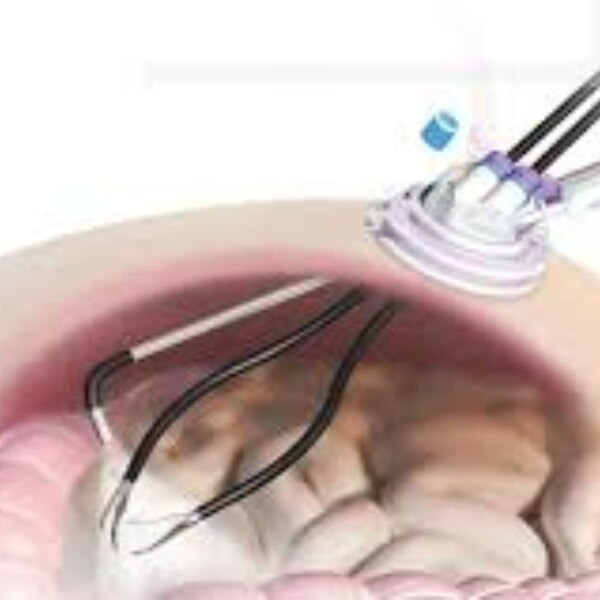
Recovery time after a single-incision appendectomy depends less on the number of skin incisions than on whether the appendix was uncomplicated, perforated, gangrenous, or surrounded by an abscess. You will be able to map expected symptoms, activity milestones, umbilical wound care, medication use, warning signs, and follow-up decisions to your own operation.
Key takeaways
- Resume light activity within several days if recovery is uncomplicated.
- Keep the umbilical incision clean, dry, and protected as directed.
- Use prescribed medicines safely and prevent constipation with fluids and movement.
- Seek urgent review for worsening pain, fever, vomiting, or wound changes.
How long does recovery take after single-incision appendectomy?
For an uncomplicated SILS appendectomy, light activity often returns within several days, while work or school commonly takes 1–3 weeks. The single-incision appendix recovery time depends more on operative findings, pain control, and your health than on the number of incisions.
- In the first 24 hours, walk briefly and frequently rather than staying in bed.
- Drink as tolerated and eat small, low-fat meals; abdominal soreness, bloating, and shoulder-tip gas pain can occur after carbon dioxide insufflation.
- Monitor urination. Contact your care team if you cannot pass urine.
- During the first week, shower only when your surgeon permits, avoid lifting and strenuous abdominal effort, and increase walking gradually.
- Bowel movements can be slower because of pain medicine, reduced movement, and lower food or fluid intake.
Drive only when you take no sedating pain medicine, can turn and brake comfortably, and can perform an emergency manoeuvre without significant pain.
Perforated or gangrenous appendicitis, an abscess, drain use, prolonged antibiotics, postoperative ileus, or conversion to open surgery can mean a longer admission and several additional weeks of recovery. These cases do not follow the usual uncomplicated SILS appendectomy recovery timeline.
Ask the operating surgeon for wound and activity instructions before lifting, running, gym work, or abdominal exercises. A generic deadline cannot confirm that your incision and deeper tissues are ready.
How should you care for the umbilical incision while it heals?
Scarless appendectomy aftercare focuses on the single access site at the navel. “Scarless” is shorthand, not incision-free: the umbilical cut can leave a visible scar that changes from red or purple to flatter and paler over time. Follow your discharge sheet for dressing removal because timing varies.
Keep the wound clean and dry, wear loose clothing that does not rub the navel, and shower only when permitted.
| Finding | Usually expected | Needs medical assessment |
|---|---|---|
| Appearance | Mild bruising, firmness, or small swelling | Spreading redness, increasing warmth, pus-like drainage, or worsening pain |
| Sensation | Mild tenderness that gradually improves | Fever or pain that intensifies instead of improving |
| Swelling | A small, stable fluid-filled swelling | A seroma that enlarges or persists |
| Shape | No new lump after healing | A bulge that becomes more prominent when standing or coughing; this can indicate an incisional hernia |
Do not pull off skin glue or Steri-Strips, soak in a bath or pool, or apply creams unless your surgeon instructs you to do so. If the wound opens, bleeds heavily, or tissue protrudes, cover it with clean gauze and seek urgent medical care.
A healed-looking incision still deserves attention if a new bulge, lump, or pain appears later.
How can you control pain, nausea, constipation, and fatigue safely?
Abdominal soreness, bloating, bruising, tiredness, reduced appetite, and shoulder-tip pain from residual carbon dioxide can occur during early SILS appendectomy recovery. Short walks, position changes, gentle movement, fluids when allowed, and your prescribed analgesic plan can ease these effects.
1. Take every prescribed medicine exactly as directed. Check whether a combination painkiller already contains paracetamol or acetaminophen, and never exceed the labelled or prescribed dose. Do not combine anti-inflammatory medicines, aspirin, blood thinners, or sedating medicines unless your surgeon or pharmacist confirms the combination is safe.
Do not drink alcohol while taking opioid pain medicine.
2. Treat constipation as a common medication and recovery effect: opioids, reduced movement, and low fluid or food intake can all slow your bowel. Ask your care team whether a stool softener or laxative suits you, walk regularly, and increase fluids only when they have not been restricted.
3. For nausea, take small sips and small meals rather than forcing a full meal. Use an anti-nausea medicine only as prescribed, and contact the care team if you cannot keep fluids down.
4. Mild shoulder-tip gas pain often improves with walking and changing position. Pain that steadily worsens, becomes severe despite medication, or changes from expected soreness to deep abdominal pain needs medical assessment rather than routine reassurance.
Which symptoms require urgent medical review?
A low-grade temperature, fatigue, mild bloating, bruising, reduced appetite, and soreness that is steadily improving can occur early after SILS appendectomy. Do not dismiss symptoms that intensify, spread, or stop you from drinking, urinating, or moving.
| Symptom pattern | What to do | Why it matters |
|---|---|---|
| Increasing abdominal pain, persistent or high fever, repeated vomiting, inability to keep fluids down, inability to pass urine, or no stool with worsening swelling or pain | Contact the operating team promptly | These symptoms can signal infection, ileus, dehydration, or another abdominal complication |
| Fainting, confusion, chest pain, shortness of breath, coughing blood, or one-sided calf swelling | Seek emergency care immediately | These symptoms can indicate serious bleeding, infection, or a blood clot |
Arrange urgent wound assessment for worsening redness or warmth, pus-like drainage, foul odour, wound separation, heavy bleeding, or a new painful bulge at the navel. A bulge that becomes more prominent when standing or coughing also needs examination for an incisional hernia.
Do not self-start leftover antibiotics. The prescription depends on whether the appendix was contained, perforated, or associated with an abscess or peritonitis. Taking the wrong antibiotic can delay appropriate treatment while masking a worsening infection.
What should happen at SILS surgeon follow-up?
A SILS surgeon follow-up is not governed by one universal schedule. After an uncomplicated operation, review often occurs in roughly 1–3 weeks; complications require earlier assessment.
| Situation | Likely follow-up approach |
|---|---|
| Uncomplicated appendicitis | Review in about 1–3 weeks |
| Perforation, abscess, drain, open conversion, ongoing antibiotics, or wound concern | Earlier review arranged by the surgical team |
At the appointment, expect assessment of pain, temperature, appetite, bowel and bladder function, the umbilical wound, activity progression, and any new bulge. Report symptoms that are worsening rather than improving.
Ask when the appendix histopathology result will be released and whether you will receive it by phone, message, portal, or another consultation. An unexpected result can require further review even after an uncomplicated physical recovery.
Bring:
- Your discharge summary
- A current medicine list
- Temperature records
- Wound photographs, if its appearance has changed
- Questions about work, lifting, driving, and exercise
In Mumbai, ChirayuHealthcare Polyclinic&Diagnostics may help coordinate a local surgical review or pathology result; follow the operating surgeon’s instructions when they differ.
Your single incision laparoscopic surgeon recovery after appendectomy depends on the operative findings and your symptoms, not just the number of incisions.
Related products
 | Sils SILS/Scarless Appendectomy (Single incision laparoscopic Appendectomy) SILS Appendectomy is an advanced minimal invasive surgery in which surgery is done exclusively through single incision instead of 3 incisions in... View product → |
 | Appendectomy Appendectomy |
Frequently asked questions
How long does recovery take after single-incision appendectomy?
After an uncomplicated SILS appendectomy, light activity often returns within several days. Work or school commonly takes 1–3 weeks, depending on operative findings, pain control, and your health.
How should you care for the umbilical incision while it heals?
Follow your surgeon’s dressing and bathing instructions, keep the incision clean, and avoid rubbing, soaking, or lifting restrictions until you receive clearance. Contact the surgical team if the wound opens or develops increasing redness, swelling, drainage, or pain.
How can you control pain, nausea, constipation, and fatigue safely?
Take medicines exactly as prescribed, drink fluids, walk gently as tolerated, and use the bowel-care plan provided by your surgical team. Avoid driving while taking sedating pain medicine and increase activity gradually.
Which symptoms require urgent medical review?
Seek urgent medical review for worsening or severe abdominal pain, persistent vomiting, fever, fainting, breathing difficulty, inability to keep fluids down, or increasing redness, swelling, bleeding, or pus at the incision.
What should happen at SILS surgeon follow-up?
Your SILS surgeon should assess pain, eating and bowel function, activity tolerance, and the umbilical incision. Ask when to resume work, exercise, lifting, driving, and any wound-care restrictions.