

A hidden navel scar does not make every gallbladder operation suitable for single-incision surgery. By comparing the available operations, the reason surgery is needed, your bile-duct findings, and the surgeon’s safety plan, you can discuss the right approach rather than choosing by the word “scarless.”
Key takeaways
- Single-incision surgery leaves one hidden navel-area wound, not untouched skin.
- Ask whether bile-duct stones require ERCP or a different surgical plan.
- Choose surgery after reviewing your symptoms, scan findings, and overall health.
- Compare a Mumbai surgeon’s experience, hospital safety systems, and follow-up care.
What “scarless” surgery actually means—and how it compares with the alternatives
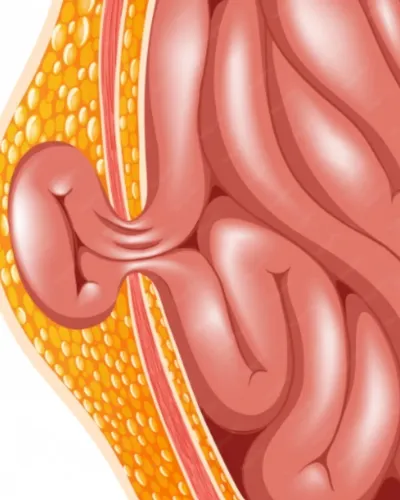
“Scarless” gallbladder surgery usually means single-incision laparoscopic cholecystectomy: one wound at or near the umbilicus, not untouched skin. The scar may hide in the navel, but healing, infection, wound separation, or an incisional hernia can change its appearance. Natural-orifice procedures, including transvaginal NOTES, are not routine treatment for ordinary gallstones.
| Option | What it means | Main trade-off |
|---|---|---|
| Standard multi-port laparoscopy | Several small abdominal incisions | Reference operation for suitable patients; provides easier instrument movement and triangulation |
| Single-incision laparoscopy | One access site, usually through the navel | Possible cosmetic improvement, but instrument crowding and reduced triangulation can increase technical difficulty |
| Open cholecystectomy | A larger abdominal incision | Reserved for unsafe or unsuitable laparoscopic access, severe inflammation, bleeding, or unclear anatomy |
A hidden scar does not automatically mean less pain, faster recovery, or fewer internal complications. Single-incision surgery can take longer, and the surgeon may add ports or convert to open surgery to identify the bile duct, control bleeding, or manage unexpected findings; that is a safety decision, not a failure.
When comparing scarless gallbladder surgery options in Mumbai, ask:
- How many ports will you use, and where will they be?
- What size navel wound and equipment does the named single incision gallbladder surgery require?
- How often does the surgeon perform it, and when would another port or open surgery be safer?
Which patients are good candidates for single-incision surgery?
Good candidates for single-incision gallbladder surgery have manageable inflammation, clear anatomy, and no major obstacle to safe instrument movement. Acute cholecystitis, dense inflammation, obesity, previous upper-abdominal operations, adhesions, abnormal anatomy, suspected common-bile-duct stones, or high bleeding risk can favour standard multi-port laparoscopy instead.
| Situation | Why single-incision access can be harder | Possible safer plan |
|---|---|---|
| Acute or severe inflammation | Swelling and scar tissue can hide the cystic duct and cystic artery | Multi-port exposure or open surgery |
| Obesity | A deeper abdominal wall reduces reach and instrument control | Multi-port laparoscopy |
| Previous upper-abdominal surgery or adhesions | Adhesions can block entry and restrict movement | Additional ports or open access |
| Unclear ducts or suspected common-bile-duct stones | The anatomy may require duct imaging or treatment | Intraoperative cholangiography, MRCP, ERCP, or another approach |
Blood thinners, a clotting disorder, liver disease, or another condition that increases bleeding risk requires an individual plan. Single-incision access can crowd instruments and reduce triangulation, so multiple ports may give the surgeon safer control.
The operation can change after it begins. The surgeon may add a port to improve exposure, perform intraoperative cholangiography to clarify the bile ducts, or convert to open surgery to identify anatomy, control bleeding, or manage an unexpected finding. Conversion is a safety decision, not automatically a failure.
- How often do you perform this technique?
- When would you add ports or convert to open surgery?
- Who provides anaesthesia and emergency support?
- How would you manage bile-duct injury, bile leak, bleeding, or nearby-organ injury?
When do gallstones require surgery, and when does the bile duct change the plan?
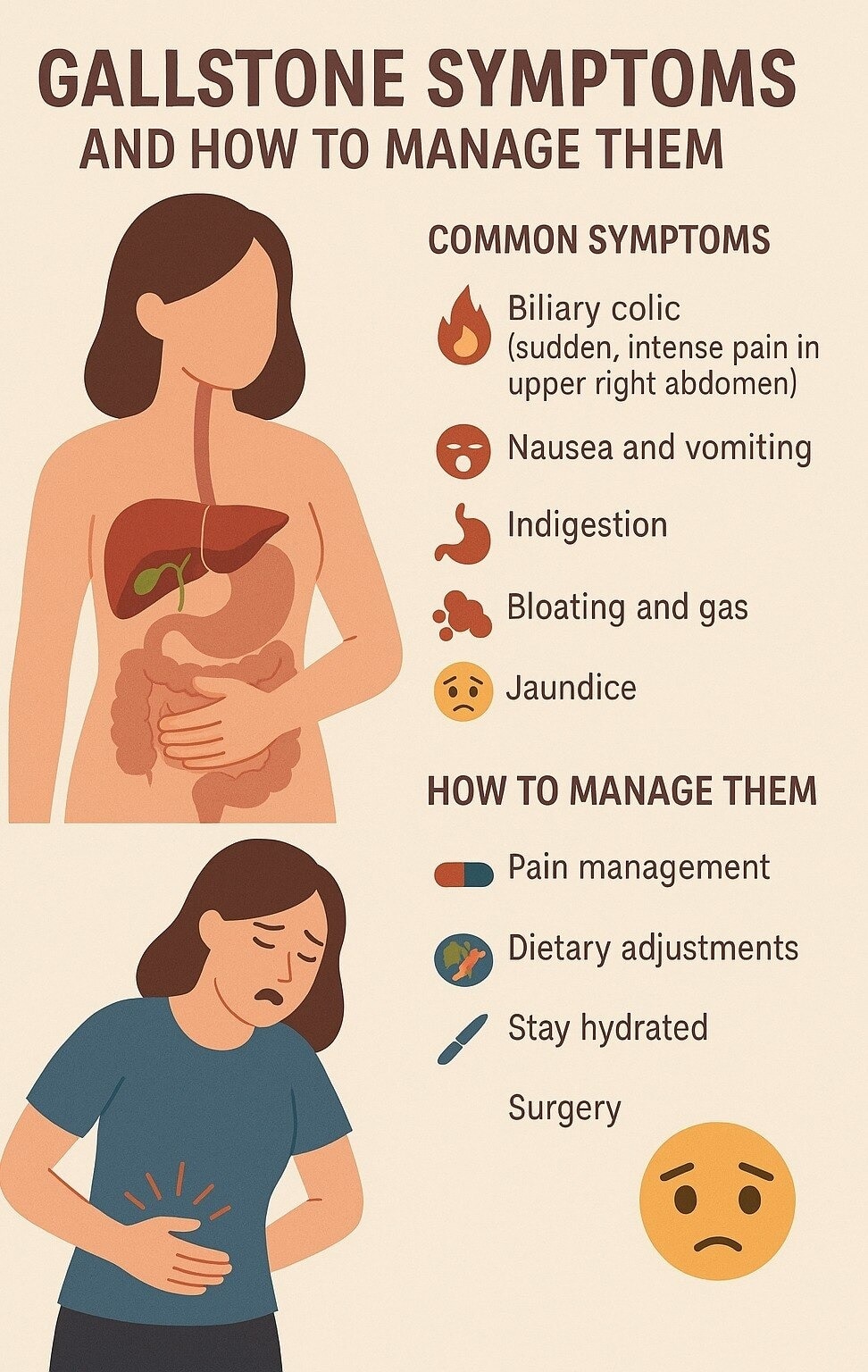
A scan showing gallstones is not, by itself, a reason to operate. Stones found incidentally in an otherwise symptom-free gallbladder are usually observed. Recurrent biliary pain, acute calculous cholecystitis, gallstone pancreatitis, obstructive jaundice, or another complication can make cholecystectomy appropriate.
In acute cholecystitis, surgery is often planned during the same admission when you can safely undergo it.
Cholecystectomy removes the gallbladder; it does not automatically remove a stone lodged in the common bile duct. Ultrasound and liver-function tests usually start the assessment. If they suggest a duct stone without settling the diagnosis, MRCP or endoscopic ultrasound can map the ducts.
ERCP mainly treats a confirmed duct stone or obstruction, rather than serving as a routine diagnostic test.
Use this checklist during a gallstone surgeon consultation:
- Bring your ultrasound and blood-test reports to the gallbladder stone surgeon.
- Disclose prior abdominal operations, pregnancy status, bleeding medicines such as warfarin or clopidogrel, and heart or lung conditions.
- Ask whether the plan is observation, cholecystectomy, MRCP, ERCP, or a combination.
- Ask whether the proposed operation is standard laparoscopy, single-incision laparoscopy, robotic surgery, or an endoscopic procedure.
- If you have acute cholecystitis, ask whether surgery is needed during this admission and what makes waiting safer or riskier.
- Ask how the team will manage a retained duct stone, bile leak, bleeding, infection, or bile-duct injury.
What recovery and daily care look like after each operation
Recovery is not reliably faster after single-incision gallbladder surgery. Both standard multi-port laparoscopy and single-incision laparoscopy use general anaesthesia and can cause shoulder-tip gas pain, nausea, abdominal soreness, and temporary limits on activity.
Before surgery, expect a clinical review and tests such as a blood count, liver-function tests, kidney tests, pregnancy testing when relevant, and an ECG or other assessment for medical conditions. The operation may take longer with one access site because instruments crowd together.
If exposure is unsafe, the surgeon may add a port or convert to open surgery; open surgery usually involves a larger wound and a longer recovery.
Follow your written discharge protocol rather than a promised timetable. It should cover pain medicine, diet, bathing, wound checks, and follow-up.
- Keep dressings and the umbilical wound clean and dry as directed. Single-incision surgery leaves a larger navel wound, which can separate, become infected, or develop an incisional hernia.
- Eat light meals if nausea persists, then return to your usual diet as tolerated.
- Do not drive while taking sedating pain medicine or until you can brake firmly and turn safely without abdominal pain.
- Ask when you can return to work, lift objects, swim, and exercise.
- Attend the scheduled review, even if the wound looks satisfactory.
Research has not shown a consistent clinically important recovery advantage for single-incision surgery. A longer operation or wound complication can erase its cosmetic benefit.
Seek prompt medical advice for fever, worsening pain, jaundice, persistent vomiting, wound redness or discharge, breathlessness, or fainting.
How to compare surgeons and facilities in Mumbai before consenting
A safe provider comparison starts with the named operation, not the promise of fewer scars. For scarless gallbladder surgery options in Mumbai, compare the surgeon’s results and training in conventional laparoscopy with experience in the proposed single-incision technique.
| Option | What to verify | Why it matters |
|---|---|---|
| Surgeon | Experience with multi-port and single-incision cholecystectomy | A smaller wound does not remove bile-duct, bleeding, or anaesthetic risks |
| Assessment | Ultrasound-guided assessment and liver-function testing | These findings help identify inflammation or a possible duct stone |
| Duct-stone plan | MRCP or endoscopic ultrasound, with ERCP referral when indicated | ERCP treats obstruction; it is not a routine screening test |
| Facility | Trained anaesthesia support and emergency open-surgery capability | The team must control bleeding, clarify anatomy, or convert safely |
During your gallstone surgeon consultation, ask:
- Who will perform the operation, and what exact procedure is planned: conventional laparoscopy, single-incision laparoscopy, robotic surgery, or an endoscopic procedure?
- If visibility is poor, who decides whether to add another port or convert to open surgery?
- How will the team manage bile leak, retained duct stones, infection, incisional hernia, bile-duct injury, or injury to a nearby organ?
- What written instructions cover driving, work, exercise, wound care, and review?
ChirayuHealthcare Polyclinic&Diagnostics can provide a local starting point for a gallstone surgeon consultation, surgical assessment, pathology testing, and diagnostic coordination. Let the clinical findings, named procedure, and safety plan—not marketing language—decide.
Related products
 | Sils SILS/Scarless Cholecystectomy (single incision laparoscopic Cholecystectomy) SILS SILS is an advanced minimal invasive surgery in which surgery is done exclusively through single incision instead of 3-4 incisions in... View product → |
 | Gall Badder Calculli- stone disease Gall Bladder (Biliary) Stone Treatment Gall Bladder (Biliary) Stone Treatment is done by SILS Ie Single incision laparoscopic surgery which is most advanced form of laparoscopic surgery... View product → |
Frequently asked questions
What does “scarless” gallbladder surgery actually mean?
It usually means single-incision laparoscopic cholecystectomy, performed through one wound at or near the umbilicus. The procedure does not leave the skin untouched, and wound healing can affect the final scar.
Who is a good candidate for single-incision gallbladder surgery?
Your surgeon assesses your symptoms, ultrasound findings, inflammation, previous abdominal operations, body habitus, and other health conditions. Severe inflammation, scarring, or difficult anatomy can make standard multi-port laparoscopy safer.
When do gallstones require surgery?
Surgery is commonly considered for repeated biliary pain, acute cholecystitis, gallstone pancreatitis, or other gallstone complications. Asymptomatic stones often do not require removal unless a specific risk changes the recommendation.
How can bile-duct stones change the gallbladder surgery plan?
A suspected common bile-duct stone can require additional imaging, endoscopic retrograde cholangiopancreatography, or a different operative approach before or during cholecystectomy.
What should you compare before choosing a gallstone surgeon in Mumbai?
Ask about the surgeon’s experience with the proposed technique, the facility’s anaesthesia and emergency support, conversion and complication planning, pathology handling, and post-operative follow-up.