

Laser treatment is not suitable for everyone who notices bleeding, a lump or prolapse. Eligibility depends on the haemorrhoid’s grade, whether the disease is internal or external, the cause of the symptoms and the risks identified during examination. By the end, you will know what to ask during a consultation and when another treatment is safer.
Key takeaways
- Grade 2 and selected grade 3 internal piles are common laser candidates.
- Ask the doctor to confirm whether piles are internal, external, mixed, or recurrent.
- Bleeding alone cannot determine piles surgery eligibility.
- Severe prolapse, thrombosis, or another diagnosis may require a different treatment.
Which haemorrhoid grades are candidates for laser surgery?
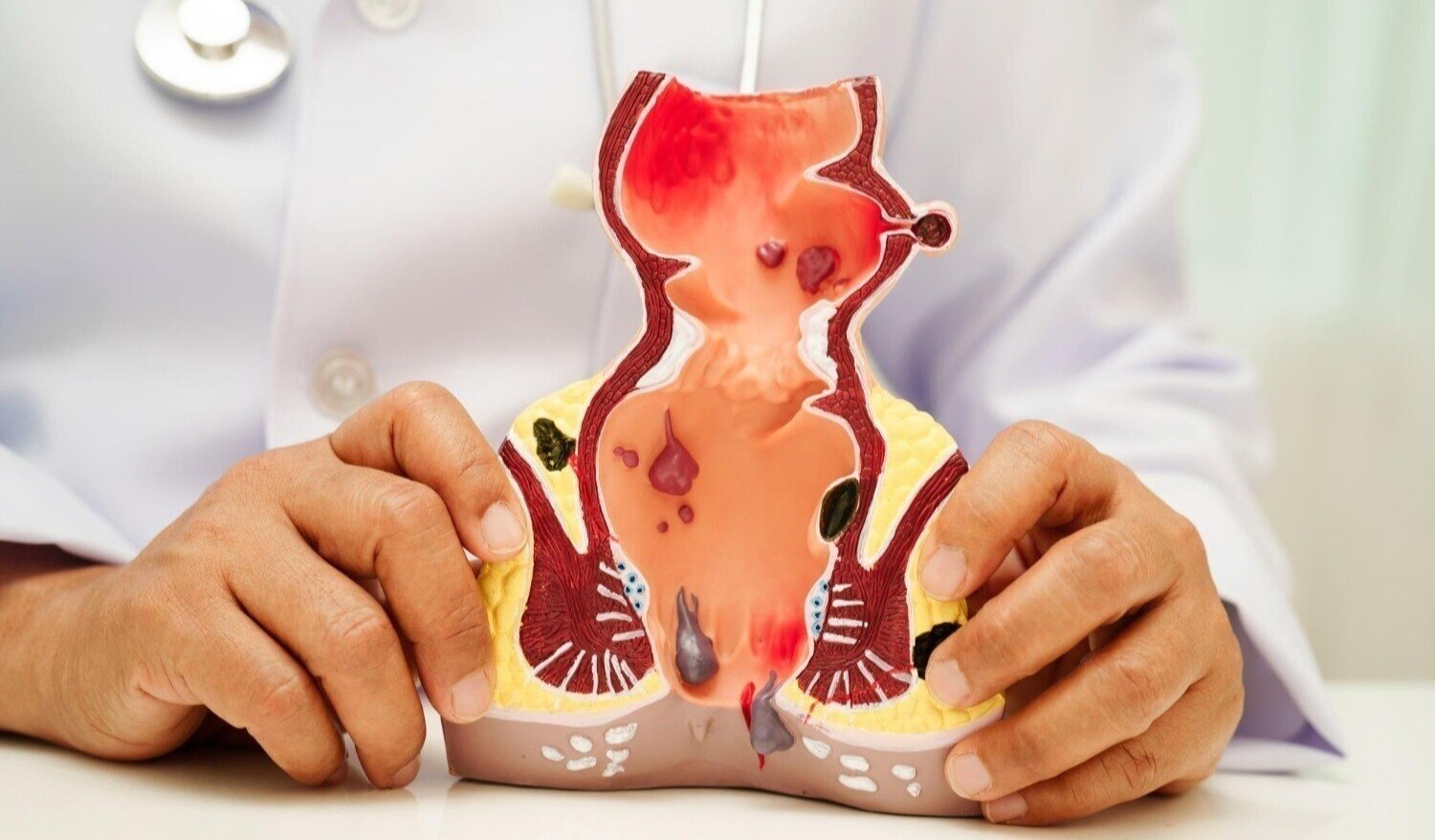
Piles surgery eligibility depends first on the internal haemorrhoid grade, not on bleeding alone. The four grades describe how far the tissue prolapses and whether it returns without help.
| Grade | What happens | Usual laser consideration |
|---|---|---|
| I | Stays inside the anal canal | Usually managed with fibre, fluids, constipation treatment and changed bowel habits |
| II | Prolapses during straining but returns by itself | Selected patients may qualify after conservative care or office treatment fails |
| III | Prolapses and needs manual replacement | Laser haemorrhoidoplasty may suit carefully selected patients; prolapse size and external tissue matter |
| IV | Permanently prolapsed and cannot be pushed back | Less likely to respond well to laser haemorrhoidoplasty alone |
Grade I usually needs dietary fibre, adequate fluids, shorter toilet sitting and treatment for constipation rather than surgery. Operating too early exposes you to a procedure without addressing the cause of straining.
Persistent symptoms can change the decision for Grade II. Recurrent prolapse, discomfort, mucus or bleeding do not establish eligibility by themselves. The doctor must confirm that a less invasive treatment offers more benefit than the risk of residual or recurrent prolapse.
Grade III requires a closer assessment of prolapse size and any external or mixed component. Large irreducible Grade IV disease often needs excision, another prolapse procedure or combined treatment.
If you search piles doctor laser piles surgery for eligibility in Mumbai, remember that the request does not replace an examination or an appropriate trial of non-surgical treatment.
What must a piles doctor check before recommending laser treatment?
A piles doctor consultation is necessary because rectal bleeding is not proof of haemorrhoids. The doctor records the bleeding’s colour and amount, prolapse, pain, constipation, bowel-habit changes, weight loss, family history and medicines before deciding whether laser treatment is safe.
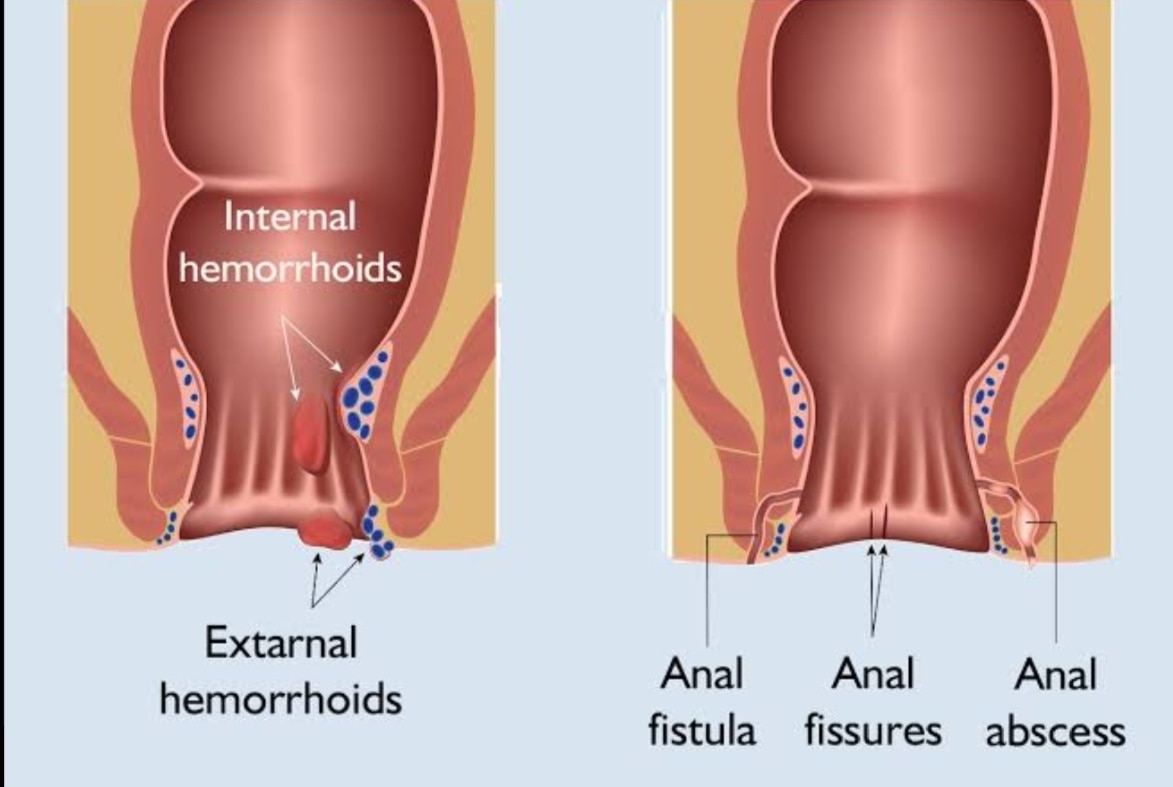
- Inspect the anus for fissures, external haemorrhoids, skin tags, fistulas, abscesses, rectal prolapse and unusual masses. A fissure usually causes sharp pain during defecation; a fistula can leave a recurrent opening or discharge; an abscess can cause severe pain and fever.
- Perform a digital rectal examination to assess tenderness, anal tone, a lump and other abnormalities. This examination can reveal a problem that symptoms alone conceal.
- Use anoscopy or proctoscopy when indicated to view internal haemorrhoids and record their grade. Do not treat a suspected fissure, fistula, abscess or rectal prolapse as internal piles without confirming the diagnosis.
Persistent or heavy bleeding, black stools, dizziness, fainting, anaemia, unexplained weight loss, a new hard lump or changed bowel habits requires prompt assessment, not elective laser surgery. These findings can point to polyps, inflammatory bowel disease or colorectal cancer.
Depending on the history and examination, the doctor may order blood tests, colon evaluation or a biopsy. Laser haemorrhoidoplasty usually shrinks tissue without producing a specimen, so it must never bypass investigation of an atypical ulcer, mass or possible cancer.
Does laser treatment work for external, mixed or recurrent piles?
Laser haemorrhoid surgery describes more than one operation, so the word “laser” alone cannot establish suitability.
| Technique | What happens to tissue | Specimen and recovery |
|---|---|---|
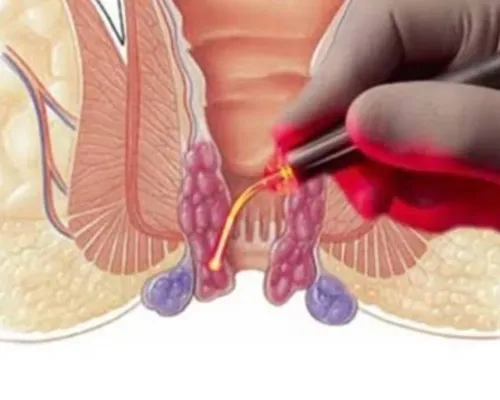
| Laser haemorrhoidoplasty | A fibre delivers energy beneath the mucosa to coagulate and shrink selected internal haemorrhoidal tissue | The piles remain; no specimen is produced |
| Laser-assisted excision or laser haemorrhoidectomy | The laser cuts and removes haemorrhoidal tissue | Tissue removal creates different wounds and a different recovery |
Internal grade II or selected grade III disease is the usual setting for haemorrhoidoplasty. A large external component, mixed internal-and-external piles, prominent skin tags, a thrombosed external haemorrhoid, strangulated prolapse, recurrent disease or an irreducible grade IV prolapse may instead require excision, a prolapse procedure or combined treatment.
Ask the surgeon to name the exact technique, identify the tissue being treated and explain whether histology is possible if an ulcer, mass or other lesion looks atypical. Shrinking tissue without removing it leaves no specimen for laboratory examination.
A fissure, fistula, abscess or rectal prolapse requires its own treatment; an abscess may need urgent drainage. Searching for laser piles treatment in Mumbai does not identify one standard procedure, and laser hemorrhoid surgery is not automatically appropriate for external, mixed or recurrent disease. Your examination, anatomy and tolerance for recurrence determine the choice.
When is laser the wrong choice, and what are the alternatives?
Laser is the wrong choice when the external component is large, the prolapse is strangulated or advanced, or the bleeding has not been explained. Piles surgery eligibility depends on grade, anatomy, recurrence tolerance and examination findings—not on a preference for laser hemorrhoid surgery.
| Option | What it does | When it fits |
|---|---|---|
| Fibre, fluids and bowel-habit changes | Softens stools and reduces straining; shorter toilet sitting limits pressure | Early symptoms and many grade I cases |
| Rubber-band ligation or injection | Cuts off blood flow or shrinks selected internal haemorrhoids | Suitable office treatment for some internal piles |
| Laser haemorrhoidoplasty | Coagulates and shrinks internal tissue without removing it | Selected grade II or III disease; less early pain and faster activity are possible |
| MIPH or stapled haemorrhoidopexy | Lifts prolapsed internal tissue with a circular stapler | Internal prolapse without a substantial external component |
| Suture rectopexy | Repositions prolapse with stitches | Selected prolapse patterns |
| Excisional haemorrhoidectomy | Removes haemorrhoidal tissue | Large, external, mixed, strangulated or advanced prolapse; recovery can hurt more |
Conservative care can control early symptoms: increase fibre, drink adequate fluids, avoid straining and spend less time on the toilet. Laser carries greater concern about residual or recurrent prolapse in some comparisons, and long-term evidence is less extensive than short-term recovery evidence.
Do not choose elective laser treatment when cancer is suspected, an abscess needs drainage, or severe external or strangulated disease needs prompt surgery. A surgeon should compare recurrence risk, possible repeat treatment and the findings on examination before recommending laser piles surgery in Mumbai.
What should you ask at a Mumbai laser piles consultation?
A useful piles doctor consultation should leave you with documented findings, not a laser booking. Ask:
1. What is the haemorrhoid grade, and are the piles internal, external or mixed? Ask the doctor to record whether a fissure, fistula, abscess, rectal prolapse or another lesion has been excluded.
2. Why is laser preferable for me to medicines, rubber-band ligation, MIPH, suture rectopexy or conventional haemorrhoidectomy? Ask whether the proposed operation shrinks, removes or repositions tissue.
3. What anaesthesia will you receive, how long is recovery, and what happens if the surgeon finds substantial external tissue? Laser piles treatment in Mumbai is not one standard operation, so ask for the exact technique and its limitations.
4. What is the expected recurrence risk? Ask about repeat treatment, the emergency contact number and the timing of postoperative review.
5. Tell the surgeon about anticoagulants, antiplatelet medicines, bleeding disorders, anaemia, diabetes, immune suppression, and heart or lung disease. Never stop a blood thinner without instructions from both the prescribing clinician and the surgeon.
If you are considering a consultation at ChirayuHealthcare Polyclinic&Diagnostics, use the appointment to obtain written findings and a treatment comparison rather than requesting laser by name. That approach makes the decision clinical and examination-based, not a procedure chosen from an advertisement.
Related products
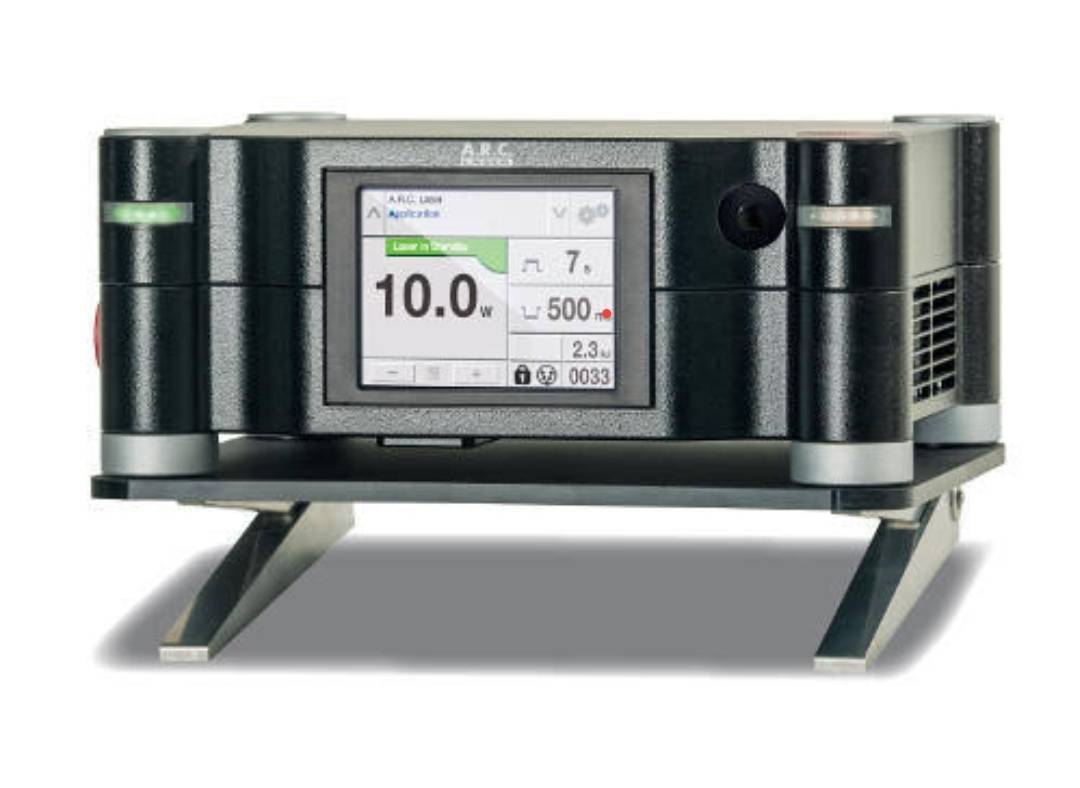 | Laser Piles Laser Fissure Surgery Laser Piles Surgery, Laser Fissure Surgery We are specialized in Laser Treatment of Fissure and Piles, It is one of the most Innovative and Painless Treatment of Piles & Fissures View product → |
 | Proctology Painless piles surgery, Miph, Suture Rectopexy, laser treatment of piles Piles one of the most common cause of Bleeding in motion area. All bleeding needs to be consulted by surgeon to rule out malignancy. View product → |
Frequently asked questions
Which haemorrhoid grades are candidates for laser surgery?
Laser treatment is most often considered for grade 2 and selected grade 3 internal haemorrhoids. Grade 1 disease usually responds to diet, medicines, and office procedures, while grade 4 prolapse often needs conventional surgery. Your piles doctor must examine you before deciding.
What must a piles doctor check before recommending laser treatment?
The doctor should identify the haemorrhoid location, grade the prolapse, assess bleeding and pain, examine the anus and rectum, and exclude fissure, fistula, abscess, polyps, or another cause of bleeding. They should also review medicines, constipation, previous procedures, and relevant medical conditions.
Does laser treatment work for external, mixed, or recurrent piles?
Laser treatment is designed mainly for selected internal haemorrhoids. External piles, mixed disease, large skin tags, thrombosis, or recurrent prolapse may need another procedure or combined treatment after examination.
When is laser the wrong choice, and what are the alternatives?
Laser may be unsuitable for advanced prolapse, strangulated or thrombosed piles, infection, significant external disease, or bleeding from another condition. Alternatives include fibre, fluids, and bowel-habit changes; rubber-band ligation; sclerotherapy; infrared treatment; haemorrhoidectomy; or stapled haemorrhoidopexy.
What should you ask at a Mumbai laser piles consultation?
Ask for your haemorrhoid grade, the proposed procedure, expected benefits, risks, recurrence possibility, anaesthesia, recovery time, total fees, and alternatives. Ask how the doctor will investigate bleeding and what follow-up is included.