

The right piles procedure depends less on your age than on the source of the symptoms, haemorrhoid grade, prolapse, external disease, medical history and previous treatment. By the end, you will know which questions to ask, when laser treatment is reasonable, and when another diagnosis or procedure deserves priority.
Key takeaways
- Confirm rectal bleeding is caused by haemorrhoids before choosing treatment.
- Children with painful stools often need constipation or fissure assessment first.
- Ask which haemorrhoid grade the proposed laser procedure treats.
- Compare diagnosis, alternatives, risks, recovery and follow-up before selecting a surgeon.
How piles treatment changes from childhood to older age
Piles treatment by age starts with confirming that the symptoms are haemorrhoids. In children and teenagers, constipation, painful bowel movements and an anal fissure are more common explanations than haemorrhoids. An appropriate clinician should examine rectal bleeding or an anal lump before anyone considers an adult laser procedure.
- Younger adults should be assessed for constipation, straining, prolonged toilet sitting and recurrent symptoms. Fibre, adequate fluids and shorter toilet visits often come before laser piles treatment for adults.
- During pregnancy, increase fibre and fluids, use stool-softening measures and pregnancy-safe medicines when advised, and avoid straining. Elective procedures are generally deferred; reassess after delivery if symptoms continue.
- Middle-aged adults need assessment of recurrent prolapse, bleeding and previous treatment. Internal and external disease, anaemia, anticoagulant use, fissure and fistula can change the recommendation.
- In older adults, do not assume bleeding is piles. Colorectal cancer, polyps, inflammatory bowel disease, diverticular disease and anal cancer may need exclusion before treatment.
Seek medical assessment for persistent, heavy, unexplained or mixed-in-stool bleeding, weight loss, anaemia, altered bowel habit or abdominal symptoms. A family history of bowel cancer can also justify endoscopic investigation. Colonoscopy depends on symptoms, risk factors and clinical assessment, not a standalone age rule.
Age alone does not decide treatment; examination and the confirmed cause do.
How haemorrhoid grade determines whether laser treatment fits
Grade determines laser piles surgery suitability more reliably than age alone. Grade 1 haemorrhoids bleed without prolapse; Grade 2 prolapse during straining but return spontaneously; Grade 3 prolapse and require manual reduction; Grade 4 remains prolapsed and cannot be reduced.
| Grade | Typical finding | Usual treatment direction |
|---|---|---|
| Grade 1 | Bleeding without prolapse | Fibre, fluids, less straining and shorter toilet sitting; treat the bleeding source |
| Grade 2 | Prolapse that returns by itself | Conservative care, rubber-band ligation or selected laser haemorrhoidoplasty |
| Grade 3 | Prolapse needing manual reduction | Selected laser treatment or another procedure after examination |
| Grade 4 | Fixed prolapse that cannot be reduced | Discuss excisional haemorrhoidectomy or another definitive procedure |
Many patients start with fibre, adequate fluids, avoidance of straining and shorter toilet sitting. Suitable internal haemorrhoids may then respond to an office procedure such as rubber-band ligation.
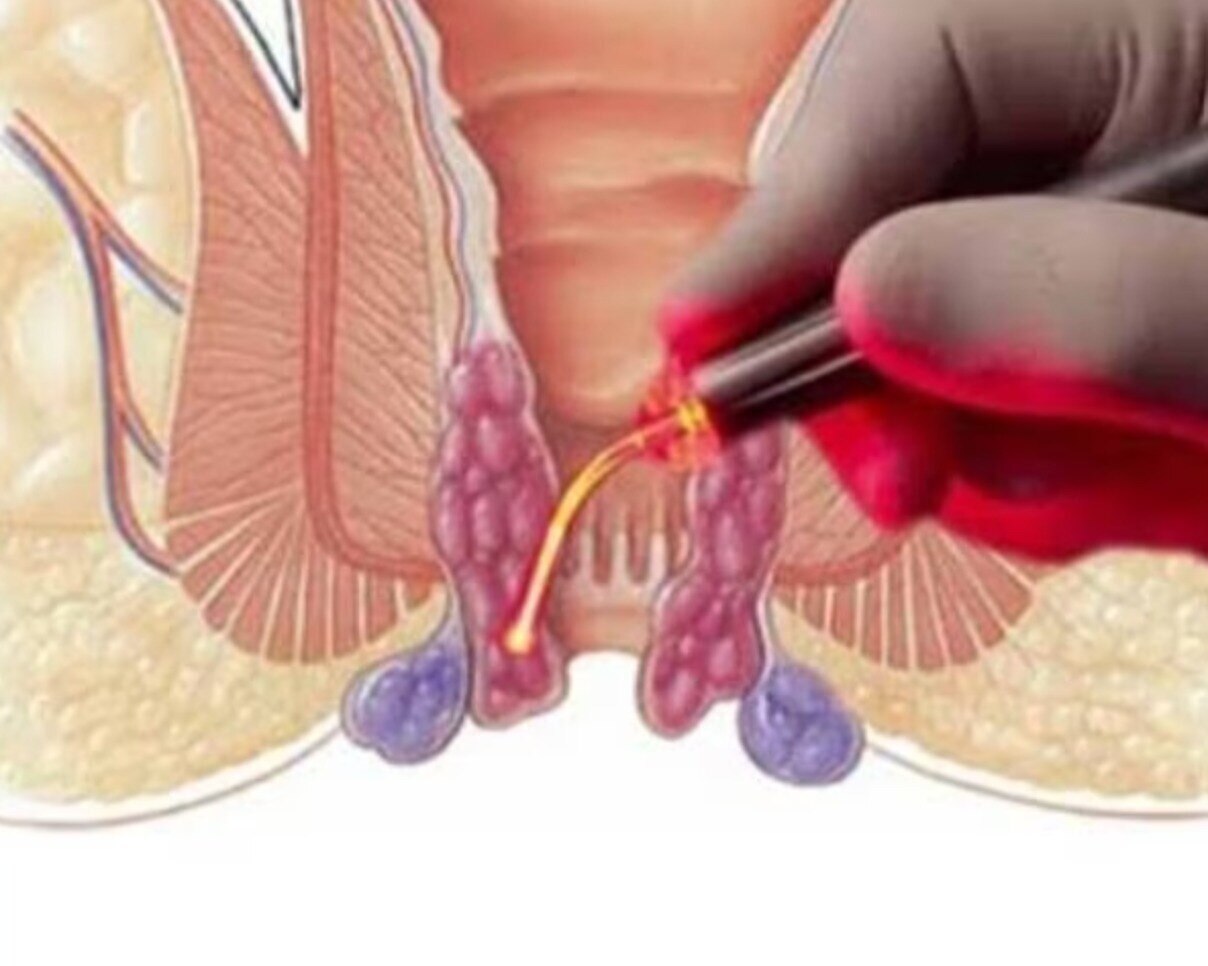
Laser haemorrhoidoplasty applies laser energy beneath the mucosa to shrink internal tissue. Laser piles treatment for adults is generally considered for selected internal Grade 2 and some Grade 3 disease, especially when bleeding or prolapse occurs without a large external component. It is not a universal solution.
Substantial external haemorrhoids, acute strangulation, extensive thrombosis and advanced fixed Grade 4 prolapse often require discussion of excisional haemorrhoidectomy or another procedure. Ask whether the proposed treatment addresses:
- Internal haemorrhoids
- External skin
- Prolapse
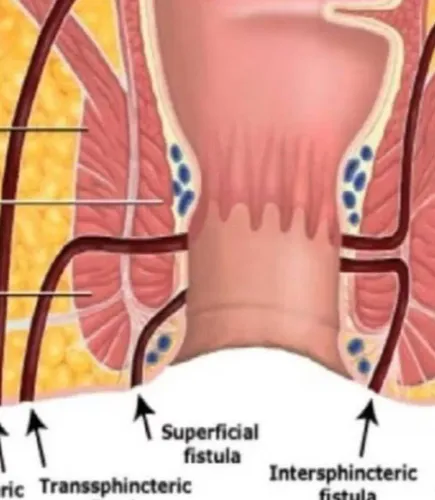
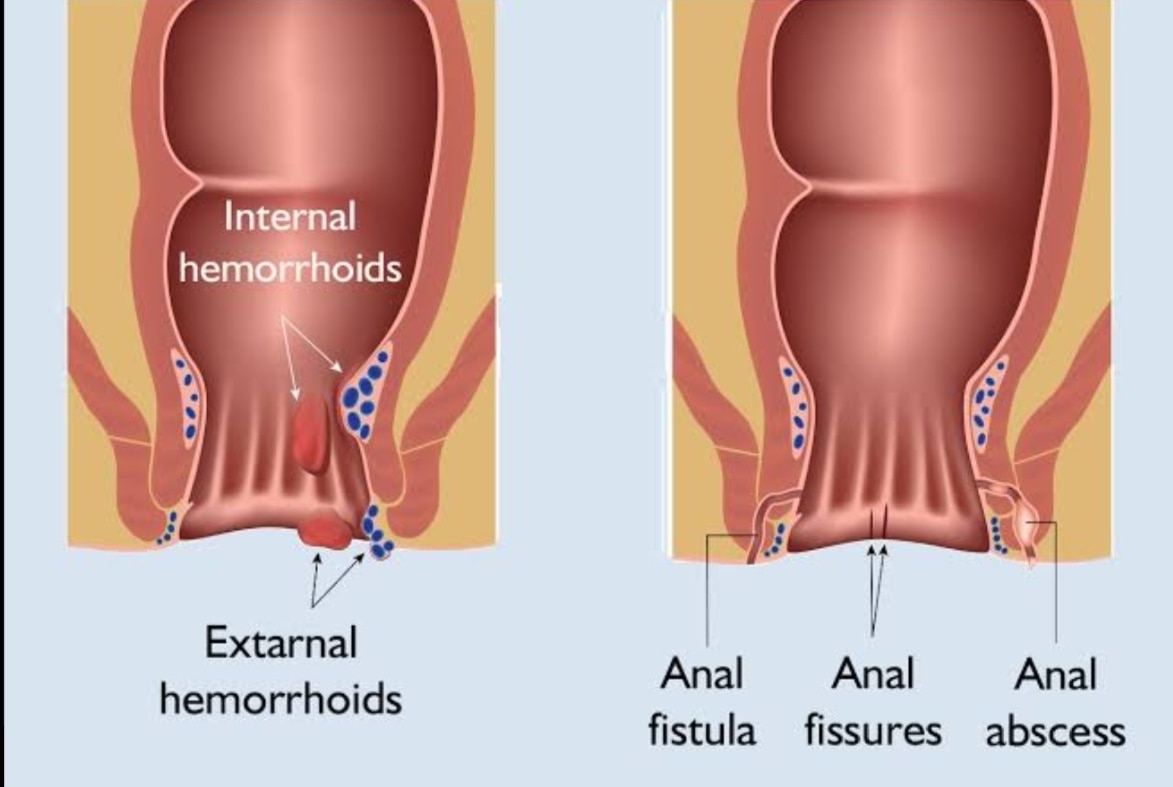
- An associated fissure or fistula
Pain, thrombosis, anaemia, recurrence and previous procedures can change the recommendation.
What a piles surgeon consultation should establish before treatment
A proper piles surgeon consultation must verify the diagnosis before anyone recommends laser treatment. If you searched “best general surgeon laser piles for treatment ages,” use the consultation to test the recommendation, not simply to book it.
1. Describe the bleeding: how long it has lasted, how often it occurs, and how much blood you see. Report bowel habit, constipation, straining, prolapse, whether you push it back manually, pain, itching, lumps and every prior treatment.
2. List all medicines, especially aspirin, clopidogrel, warfarin, apixaban and other blood thinners. Never stop an anticoagulant or antiplatelet medicine without a plan from the treating clinician and prescriber.
3. Expect examination when appropriate. Inspection, a digital rectal examination, and anoscopy or proctoscopy can identify the bleeding source and grade the haemorrhoids. Colonoscopy deserves consideration when bleeding persists or is unexplained, or when family history, anaemia or another risk factor warrants it.
4. Ask the surgeon to review diabetes control, heart or lung disease, kidney function, immune suppression, anaemia, frailty, continence, previous anorectal surgery and wound-healing problems. These findings affect anaesthesia, recovery and the safety of laser treatment.
5. Choose a general surgeon with documented anorectal experience who explains non-laser options, expected pain, recurrence and complication follow-up, and can arrange urgent review. A laser offer made without examination is a warning sign.
What to compare before choosing laser piles surgery as an adult
“Laser piles treatment for adults” does not describe one standard operation. Ask for the exact procedure name, whether tissue will be excised, which anaesthetic is planned, and whether external disease will be treated. This is the core of assessing laser piles surgery suitability.
| Option | Tissue removed | Typical fit | Main trade-off |
|---|---|---|---|
| Laser haemorrhoidoplasty | No; laser energy shrinks tissue beneath the mucosa | Selected internal grade 2 and some grade 3 disease | Less early pain, but recurrence may be higher in advanced disease |
| Laser-assisted excision | Yes | Haemorrhoids requiring removal | More wound-related pain and recovery |
| Stapled haemorrhoidopexy | Usually no excision of the main piles | Selected internal prolapse | Distinct recurrence and complication risks |
| Doppler-guided procedure | Usually no major excision | Selected bleeding or prolapsing internal piles | Results depend on anatomy and technique |
The advertised benefits of less postoperative pain and faster initial recovery need context: studies use different laser methods and often have limited follow-up. Excisional haemorrhoidectomy can be more painful initially but is commonly considered more definitive for grade 3–4 disease or substantial external components.
Before consenting, discuss:
- Bleeding, infection, urinary retention, recurrence, continence risk, expected pain and time away from work.
- What happens if bleeding or prolapse continues, including whether another procedure will be needed.
- Whether acute thrombosis, severe pain, strangulation, a large external component or fixed grade 4 prolapse makes an alternative safer.
- Whether the proposed operation matches the confirmed anatomy and symptoms, rather than its attractive label.
How to choose the right general surgeon for laser piles treatment
The best general surgeon for laser piles treatment at different ages is the one who verifies the diagnosis, examines you and explains alternatives—not the one who advertises laser treatment first.
Confirm formal surgical registration or board certification, documented proctological experience, the number and type of laser cases performed, complication and recurrence follow-up, and access to emergency review.
During your piles surgeon consultation, ask for a written diagnosis, haemorrhoid grade, exact procedure name, anaesthesia, fees, expected recovery, constipation-management instructions and warning signs. The surgeon should confirm that bleeding or a lump is haemorrhoidal disease and discuss fissure, fistula or another cause when relevant.
| Option | Ask what it involves | Why compare it |
|---|---|---|
| Laser haemorrhoidoplasty | Is tissue shrunk beneath the mucosa, and are external piles untreated? | Selected internal disease |
| Rubber-band ligation | Is the haemorrhoid suitable for an office procedure? | Common option for suitable internal piles |
| Excisional haemorrhoidectomy | Will tissue be removed, and what pain and recovery are expected? | Larger or advanced disease |
| Stapled haemorrhoidopexy | How does recurrence risk compare for your prolapse? | Selected prolapsing internal piles |
| Nonoperative care | Can fibre, fluids and reduced straining control symptoms? | Early or mild disease |
ChirayuHealthcare Polyclinic&Diagnostics can be considered in Mumbai if it provides the examination, surgical consultation, documented alternatives and follow-up you need; its service name alone proves suitability. Choose the surgeon who explains why laser fits your anatomy rather than offering it to every patient.
Related products
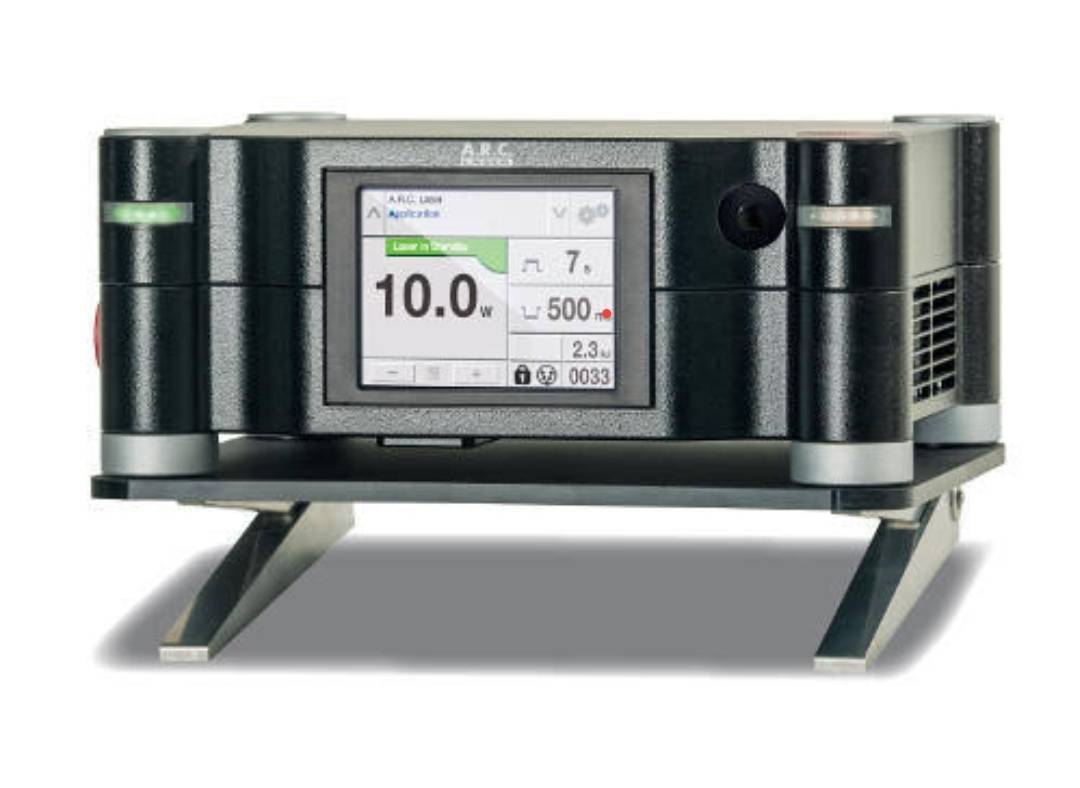 | Laser Piles Laser Fissure Surgery Laser Piles Surgery, Laser Fissure Surgery We are specialized in Laser Treatment of Fissure and Piles, It is one of the most Innovative and Painless Treatment of Piles & Fissures View product → |
 | Proctology Painless piles surgery, Miph, Suture Rectopexy, laser treatment of piles Piles one of the most common cause of Bleeding in motion area. All bleeding needs to be consulted by surgeon to rule out malignancy. View product → |
Frequently asked questions
How does piles treatment change from childhood to older age?
Children and teenagers with painful bowel movements, constipation or rectal bleeding need assessment for constipation and anal fissure before adult laser procedures. Adults and older patients also need evaluation of bleeding causes, medical conditions, medicines and recovery risks.
Does haemorrhoid grade determine whether laser treatment fits?
Yes. The surgeon should identify whether haemorrhoids are internal or external and record their grade. Grade, prolapse, bleeding, pain and response to non-surgical care help determine whether laser treatment is suitable or whether another option is better.
What should a piles surgeon consultation establish before treatment?
The consultation should confirm the diagnosis, assess bleeding and prolapse, review bowel habits and medicines, discuss non-surgical and surgical alternatives, and explain anaesthesia, risks, recovery, follow-up and expected results.
What should adults compare before choosing laser piles surgery?
Compare the confirmed diagnosis, haemorrhoid grade, proposed technique, alternatives, anaesthesia, recovery time, complications, recurrence risk, total follow-up plan and the surgeon’s relevant training and experience.
Related service
Morvyat we are specialized in Painless morvyat- piles surgery View service → |