

Choosing treatment starts with identifying the vein causing the problem, not with choosing a branded procedure. A proper examination and duplex ultrasound can show whether you need observation, compression, foam treatment, ablation, or surgery, and help you compare safety, recovery and follow-up before deciding.
Key takeaways
- Duplex ultrasound identifies reflux, blockage and the vein requiring treatment.
- Laser ablation usually uses local anaesthesia and allows walking soon after treatment.
- Compare laser, sclerotherapy, surgery and compression based on vein anatomy and symptoms.
- Ask about surgeon experience, ultrasound findings, risks, aftercare and total fees.
How does a varicose veins specialist confirm the cause and urgency?
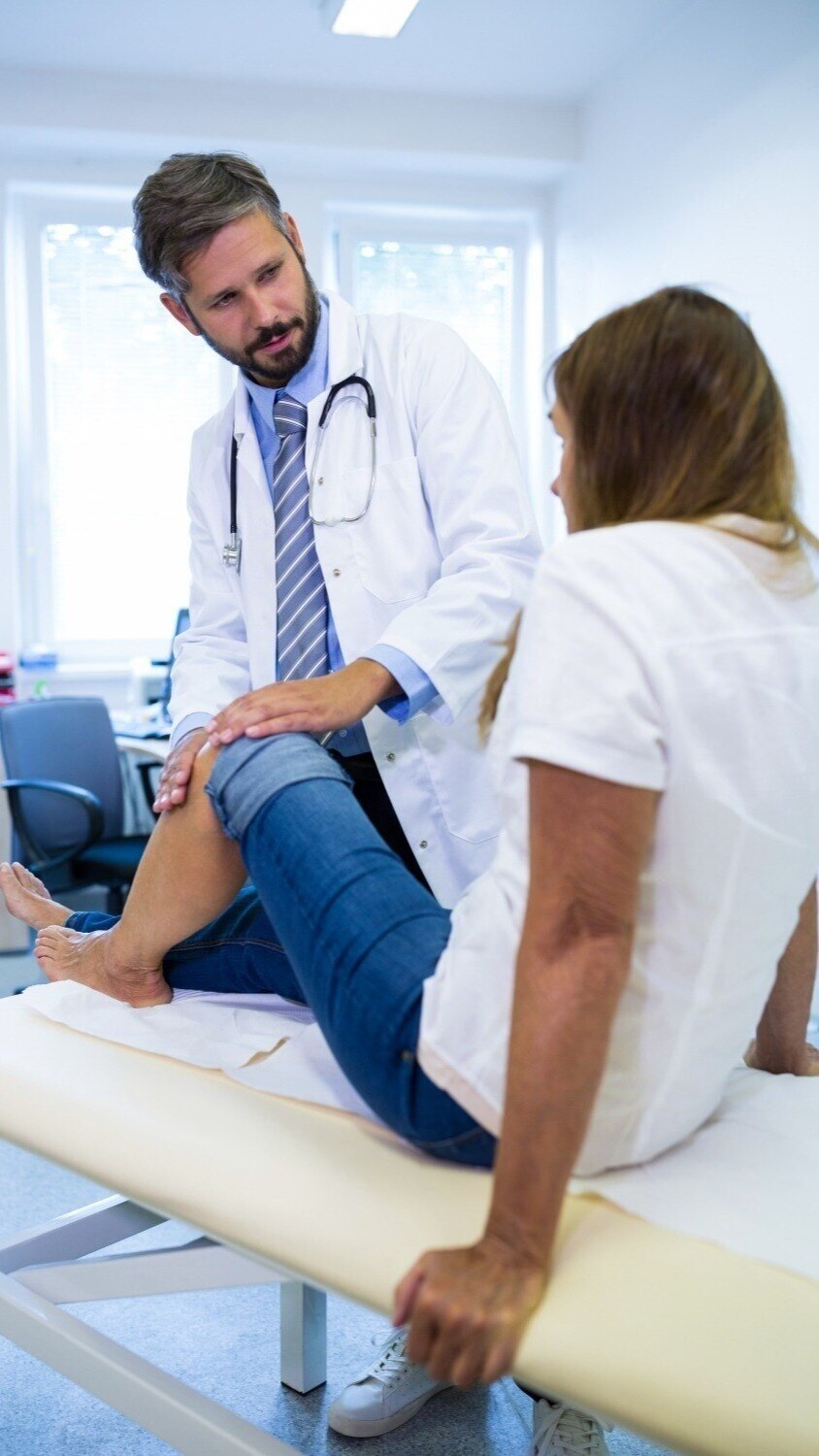
A varicose veins specialist confirms cause and urgency through history, examination and duplex ultrasound—not appearance alone. They ask about aching, heaviness, itching, swelling, night cramps, previous clots, bleeding, skin changes, pregnancy and prior vein treatment. Examination includes standing inspection, palpation of enlarged veins, skin checks, leg-temperature comparison and pulses at the groin, knee and foot.
Duplex ultrasound maps blood flow, refluxing superficial veins, vein diameter, obstruction, thrombus and deep-vein involvement. It can show whether a hidden saphenous vein feeds visible branches.
| Finding | Appearance or symptom | Usual significance |
|---|---|---|
| Spider veins | Fine red or purple surface vessels | Usually superficial and unlike rope-like varicose veins |
| Varicose veins | Raised, twisted or rope-like veins | Assess for reflux and troublesome symptoms |
| Chronic venous insufficiency | Ankle swelling, pigmentation, eczema or ulcers | Needs clinical assessment and treatment planning |
| Possible deep-vein thrombosis | Sudden one-sided swelling, warmth, redness or severe pain | Seek urgent medical assessment |
Chest pain, breathlessness or coughing blood requires emergency care. If a varicose vein bleeds, lie down, elevate the leg and apply firm direct pressure while seeking urgent medical help.
What does the duplex scan decide about varicose vein treatment in Mumbai?
Duplex findings decide which vein needs treatment, not the vein that looks worst. A visible varicosity may be a tributary fed by hidden reflux in the great or small saphenous vein, so treating every surface vein directly is not standard.
Ask the report to name the refluxing vein, reflux length, diameter, entry point, tortuosity, catheter access route and condition of the deep veins. Suitable truncal reflux with troublesome symptoms often leads to endothermal treatment.
| Option | What it means | When it applies |
|---|---|---|
| EVLA or radiofrequency ablation | A catheter closes the refluxing truncal vein with heat | First-line option when anatomy permits |
| Ultrasound-guided foam sclerotherapy | Injected foam closes the vein without a catheter | When endothermal treatment is unsuitable, including tortuous veins |
| Surgery | Ligation, stripping or removal of the vein | When endothermal treatment and foam do not fit |
Compression stockings can ease symptoms, but they are not automatically preferred when intervention is suitable. Walking, calf-muscle exercise, relevant weight management, avoiding prolonged standing and elevating your legs support symptom control.
- Which vein does the proposed treatment target?
- What happens to remaining tributaries?
- When will follow-up duplex imaging occur?
What happens during laser varicose veins surgery and recovery?
In Mumbai clinics, laser varicose veins surgery usually means endovenous laser ablation (EVLA), not a skin-surface cosmetic laser. It seals a faulty vein from inside; it does not remove the vein through a large incision.
- You receive local anaesthetic, and ultrasound guides a thin catheter through a small puncture into the refluxing vein.
- The clinician injects tumescent anaesthetic around the vein, protecting nearby tissue while numbing the treatment area.
- Laser energy heats the vein wall, causing the target segment to close. Blood returns through healthier veins.
- Visible tributaries may shrink after the main vein closes. Persistent branches may need ultrasound-guided foam sclerotherapy or ambulatory phlebectomy through tiny punctures.
You usually walk soon after treatment. Bruising, tenderness, tightness or pulling along the treated vein, and temporary numbness are common short-term effects.
Follow the prescribed walking and compression instructions rather than resting in bed for long periods. Attend the planned follow-up ultrasound, which checks the treated segment and deep veins. Before leaving, ask when you can drive, work, exercise and fly. EVLA is an invasive vein treatment, not a cosmetic laser procedure.
How does laser vein surgery compare with other treatments?
The useful laser vein surgery comparison starts with duplex anatomy, not branding. EVLA and radiofrequency ablation (RFA) both pass a catheter into a refluxing vein, use tumescent local anaesthesia and apply heat to seal it. Neither is automatically safer or more effective; equipment, vein anatomy and operator experience affect the choice.
| Option | Main trade-off | Best fit |
|---|---|---|
| EVLA or RFA | Bruising, tenderness, temporary nerve symptoms and heat-related skin burns remain possible; recovery is usually shorter than surgery. | A suitable, accessible refluxing truncal vein |
| Cyanoacrylate closure | Avoids heat and usually needs less tumescent anaesthesia, but has its own inflammatory reactions and follow-up needs. | When avoiding thermal energy matters |
| Mechanochemical ablation | A rotating catheter damages the vein while delivering sclerosant; it avoids thermal injury but still requires catheter access. | Selected accessible veins |
| Foam sclerotherapy | Ultrasound-guided foam suits tortuous veins a catheter cannot follow, but repeat treatment for residual or recurrent veins is common. | Tortuous or catheter-unsuitable veins |
| Ambulatory phlebectomy | Removes prominent tributaries through tiny skin openings; it treats visible branches, not necessarily the reflux source. | Residual bulging tributaries |
| High ligation and stripping | Surgical incisions usually mean more bruising and longer recovery, but it remains useful when catheter treatment is unsuitable. | Inaccessible or unsuitable veins |
Before choosing, compare anaesthesia, time away from work, nerve-injury risk, burns, recurrence, follow-up imaging and how residual tributaries will be managed. The procedure name matters less than a plan matched to your scan.
When is laser ablation unsuitable or in need of extra caution?
Laser ablation is not automatically suitable because a vein looks prominent. A clinician may defer or avoid it during pregnancy, acute deep-vein thrombosis, active skin infection or significant arterial disease.
- If you cannot walk soon after treatment, extra caution is needed because movement supports safe recovery and reduces stasis.
- If another vein has severe reflux, treating only the proposed segment may leave the underlying problem active.
- If the target vein is extremely tortuous, too large for the planned catheter or inaccessible on ultrasound, foam sclerotherapy, cyanoacrylate or another non-thermal method, or surgery may fit better.
Before consent, disclose every medicine, previous clot, bleeding disorder, allergy and mobility limitation. These details can change anaesthesia, clot prevention and the procedure itself.
Ask about superficial thrombophlebitis, deep-vein thrombosis, pulmonary embolism, skin burns or pigment change, nerve injury and recanalisation, when the treated vein partially reopens. Bruising, tightness, tenderness and temporary numbness are common short-term effects.
Returning veins do not prove that the first treatment was performed incorrectly. New reflux, untreated tributaries or partial reopening can cause recurrence; follow-up duplex imaging can show which explanation applies and guide further treatment.
What should you ask before choosing a Mumbai clinic or surgeon?
A recent duplex ultrasound should drive the recommendation, not the word “laser.” Ask the varicose veins specialist which named vein is refluxing, how far the reflux extends, and whether deep-vein disease changes the plan.
Ask these questions during your consultation:
- Is the proposal EVLA, radiofrequency ablation, ultrasound-guided foam, cyanoacrylate closure, mechanochemical ablation, ambulatory phlebectomy or stripping?
- What will happen to the visible tributary veins: will they shrink, receive foam or require phlebectomy?
- Which anaesthetic will you receive, and when can you walk, drive and return to work?
- Do you need compression, and when will follow-up ultrasound check the treated vein?
- Who manages bleeding, thrombosis, nerve symptoms, persistent veins or recurrence?
| Option | Main feature | Question to ask |
|---|---|---|
| EVLA or RFA | Heat seals the refluxing vein | Is catheter access suitable? |
| Foam | Injected sclerosant closes the vein | Could tortuosity require repeat treatment? |
| Cyanoacrylate or mechanochemical | Non-thermal closure | What are the device-specific risks? |
| Phlebectomy or stripping | Removes veins through openings or incisions | Why is catheter treatment unsuitable? |
For varicose vein treatment in Mumbai, ChirayuHealthcare Polyclinic&Diagnostics can be considered when you want vascular assessment, diagnostic support and minimally invasive treatment discussed together. Choose the service that explains your scan, alternatives and follow-up responsibilities clearly.
Related product
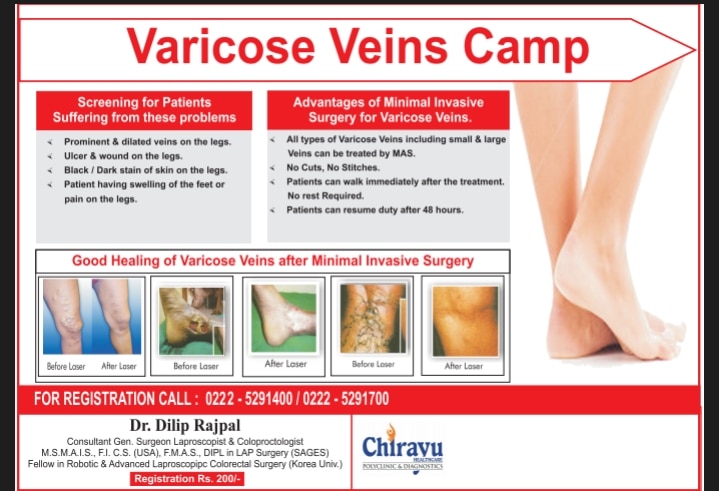 | Laser varicose veins surgery Laser varicose vein surgery is a procedure that uses heat from a laser to reduce varicose veins. View product → |
Frequently asked questions
How does a varicose veins specialist confirm the cause and urgency?
The specialist takes a symptom and medical history, examines your legs while standing and checks skin changes, temperature and foot pulses. Duplex ultrasound confirms abnormal blood flow and helps identify urgent signs such as bleeding, ulceration, infection or suspected clotting.
What does the duplex scan decide about varicose vein treatment in Mumbai?
It maps the superficial and deep veins, detects reflux or obstruction, measures the affected vein and shows whether the deep venous system is open. These findings help determine whether laser ablation, sclerotherapy, surgery, compression or observation fits your anatomy.
What happens during laser varicose veins surgery and recovery?
After ultrasound guidance and local anaesthesia, the clinician places a thin catheter in the vein and uses laser energy to seal it. You usually walk shortly afterwards, wear compression as instructed and return for follow-up; bruising, tightness and tenderness can occur during recovery.
How does laser vein surgery compare with other treatments?
Laser ablation closes a faulty vein through a small puncture. Sclerotherapy injects a solution into smaller veins, phlebectomy removes surface veins through tiny openings, and traditional stripping is more invasive. Compression eases symptoms but does not remove reflux.
When is laser ablation unsuitable or in need of extra caution?
Extra assessment is needed with deep-vein thrombosis, severe arterial disease, infection near the entry site, pregnancy, limited mobility, blood-thinning medication or an unsuitable vein pathway. The duplex result and your medical history determine whether another option is safer.