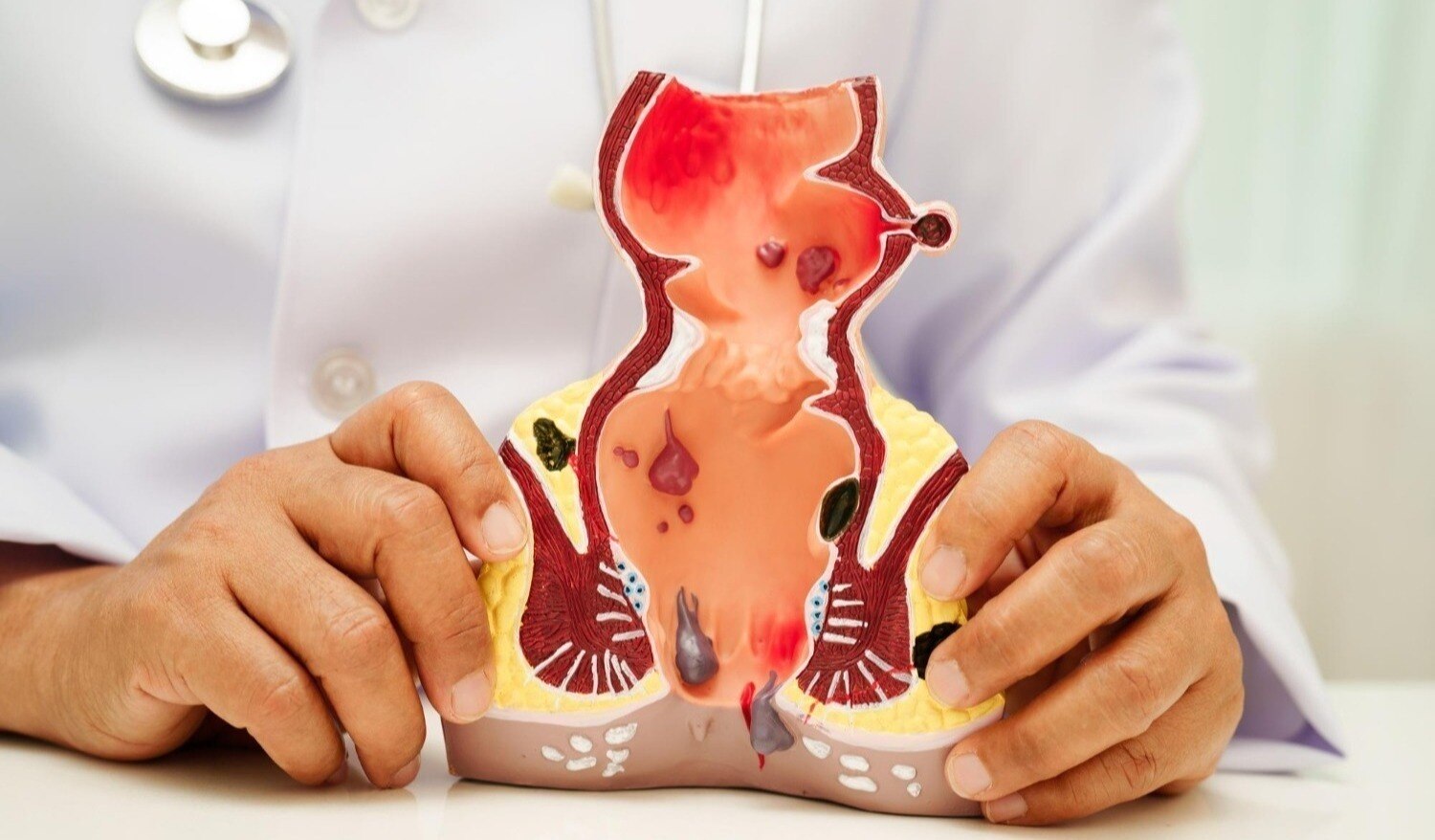
Laser surgery is not automatically the next step after fibre, medicines or failed home treatment. The recommendation depends on the haemorrhoid grade, its internal or external anatomy, the diagnosis behind your symptoms and the risks of each alternative. By the end, you will know which findings justify a laser discussion, which warning signs require prompt assessment and what to ask before consenting.
Key takeaways
- Persistent symptoms after proper conservative care warrant specialist review.
- Confirm that bleeding or pain comes from haemorrhoids before treatment.
- Haemorrhoid grade and prolapse determine whether laser treatment is suitable.
- Compare laser treatment with rubber-band ligation and haemorrhoidectomy.
Which findings make laser surgery worth considering?
A doctor moves beyond fibre, fluids, stool-softening medicines and toilet-habit changes when symptoms continue despite a proper trial of those measures, or when haemorrhoids repeatedly prolapse, bleed or interfere with daily life. The decision rests on examination and haemorrhoid grade, not on calling every anal symptom “piles.”
| Grade | Finding | Usual treatment discussion |
|---|---|---|
| I | Internal haemorrhoids bleed but do not prolapse | Bowel-habit changes and medicines first; persistent bleeding may lead to office treatment or laser discussion |
| II | Prolapse during straining but returns by itself | Rubber-band ligation, other office treatment or a named laser technique may be considered when symptoms persist |
| III | Prolapse and needs manual replacement | A procedural discussion is appropriate; laser suitability depends on size, tissue and external components |
| IV | Permanently prolapsed and cannot be pushed back | Excisional haemorrhoidectomy is often considered, especially with a large external component; laser may not provide adequate treatment |
Laser is not automatically the next step after failed medicines. Laser haemorrhoidoplasty usually shrinks internal tissue with submucosal energy, but clinics use “laser piles surgery” for different techniques, so ask for the exact procedure and expected recurrence.
A physical anorectal examination must come first. Heavy bleeding, dizziness, black or maroon stool, fever, rapidly worsening pain, urinary difficulty or a painful irreducible lump needs urgent assessment, not routine booking with a piles doctor in Ghatkopar. When symptoms persist, ask any laser piles surgery doctor why this grade and anatomy make the procedure worthwhile.
How does a surgeon confirm that bleeding or pain is caused by piles?
Bleeding or pain does not confirm piles. A piles doctor in Ghatkopar first takes a history of bowel movements, straining, prolapse and bleeding, then performs an anorectal examination before discussing elective treatment.
1. The surgeon inspects the anus for a fissure, external haemorrhoid, fistula opening, abscess, skin changes or a painful irreducible lump. A digital rectal examination checks tenderness, masses and sphincter tone; severe pain may require examination under anaesthesia.
2. Anoscopy usually identifies internal haemorrhoids and their bleeding or prolapse. A rectal prolapse can appear as a larger circular protrusion rather than separate piles. Discharge, recurrent swelling and fever point towards fistula or abscess, while pain during stool passage with a visible tear supports fissure.
3. Persistent, recurrent or unexplained bleeding requires broader assessment. Depending on your age, family history and findings, the surgeon may order flexible sigmoidoscopy or colonoscopy to investigate inflammatory bowel disease, polyps or colorectal cancer.
Heavy ongoing bleeding, dizziness, fainting, black or maroon stool, fever, rapidly worsening pain or difficulty passing urine needs urgent medical assessment. Do not search routinely for laser treatment in these circumstances.
Tell the surgeon about anticoagulants, antiplatelet medicines, bleeding disorders, immunosuppression, pregnancy and heart or lung disease. Do not stop prescribed blood thinners without the prescribing clinician’s advice. A laser recommendation follows the confirmed diagnosis, not the location of a “piles doctor in Ghatkopar.”
When are laser piles procedures suitable for the type of haemorrhoid you have?
Grade matters more than the word “laser.” Grade I and II internal haemorrhoids, and selected grade III haemorrhoids with bleeding or prolapse, may suit laser haemorrhoidoplasty after conservative treatment fails. Grade IV disease, a large external component, or a painful thrombosed external haemorrhoid usually points toward another operation.
| Type of haemorrhoid | Suitability for laser | What the procedure does |
|---|---|---|
| Internal grade I–II | Often suitable | Submucosal laser energy shrinks and seals tissue; the pile is reduced, not cut out |
| Internal grade III | Selected cases | Energy reduces the internal component, but persistent prolapse may require another technique |
| Internal grade IV | Usually unsuitable | Advanced prolapse often needs excisional or repositioning surgery |
| External or thrombosed external | Usually unsuitable | Laser haemorrhoidoplasty does not remove a clot or reliably treat a bulky external lump |
| Mixed haemorrhoids | Depends on the external component | The internal part may shrink, while the external part can remain and need separate treatment |
Ask a laser piles surgery doctor to write the exact procedure name: laser haemorrhoidoplasty, laser coagulation, or laser haemorrhoidectomy are not interchangeable. Haemorrhoidoplasty delivers fibre energy beneath the lining and reduces tissue; an excisional technique removes tissue and creates a wound.
If you search “laser piles treatment near me,” treat location as convenience, not proof of suitability, and request an examination plus non-laser alternatives such as banding.
How does laser treatment compare with other piles procedures?
Grade and anatomy matter more than the word “laser.” A laser piles surgery doctor should name the exact procedure: laser haemorrhoidoplasty usually delivers submucosal energy to shrink internal tissue, rather than removing it. Laser is not automatically the next step after medicines fail.
| Option | Grade and anatomy | Pain, recurrence, wound care and recovery |
|---|---|---|
| Laser haemorrhoidoplasty | Selected grades II–III internal piles; poor fit for large external or mixed components | Less early pain and bleeding than excision; long-term recurrence evidence is less certain; usually no open wound and quicker activity |
| Rubber-band ligation | Grades I–II and selected III internal piles | Brief discomfort or bleeding; recurrence can require repeat bands; no surgical wound and rapid return |
| Sclerotherapy | Small grade I–II internal bleeding piles | Low pain and no open wound; repeat treatment is common; recovery is immediate |
| Infrared coagulation | Small grade I–II internal piles | Minimal pain and wound care; recurrence or repeat sessions are more likely than with excision |
| Conventional haemorrhoidectomy | Prolapsing grade III–IV, external or mixed piles | Most postoperative pain; an open wound needs hygiene and dressing care; recovery is slower but control is durable |
| Stapled haemorrhoidopexy | Circumferential internal grade III, sometimes selected II; does not remove external piles | Less early pain than excision, but prolapse recurrence can be higher; little external wound and faster recovery |
| MIPH | A stapled, minimally invasive approach for suitable internal prolapse, usually grade III | Similar comfort and recovery advantages to stapling; recurrence remains possible; it does not treat a large external component |
| Suture rectopexy | Rectal prolapse, not routine haemorrhoids | More extensive prolapse surgery; recovery and recurrence depend on the prolapse repair |
Constipation, straining and long toilet sitting can cause recurrence after any option. Fibre, fluids and bowel-habit changes still matter.
What should you check before choosing a piles surgeon in Ghatkopar?
Before booking a piles surgeon in Ghatkopar, verify the doctor’s medical registration number and postgraduate surgical training. The recommendation should follow a physical anorectal examination, not symptoms alone. Ask whether you need anoscopy, sigmoidoscopy or colonoscopy, especially for persistent, recurrent or unexplained bleeding.
Use this checklist during consultation:
- Ask the haemorrhoid grade, internal or external location, and the exact named laser technique.
- Ask whether local, spinal or general anaesthesia is planned, and what pain medicines, stool softeners and other medicines you will take.
- Ask how recurrence, incomplete relief or further treatment will be handled.
- Ask why laser suits you instead of observation, medicines, rubber-band ligation or excisional haemorrhoidectomy.
- Ask what bowel-habit changes remain necessary after treatment; straining, constipation and prolonged toilet sitting can promote recurrence.
| Option | What to ask | Why it matters |
|---|---|---|
| Laser procedure | Is this laser haemorrhoidoplasty or a laser-assisted excision? | “Laser piles treatment near me” does not identify one standard operation. |
| Rubber-band ligation | Could banding treat this grade of internal pile? | It may avoid an operation for suitable internal haemorrhoids. |
| Excisional surgery | Is the external or mixed component too large for laser? | Removal may be more appropriate than tissue shrinkage. |
ChirayuHealthcare Polyclinic&Diagnostics can be one consultation option, but a “piles doctor recommending laser piles surgery in Ghatkopar” should explain alternatives rather than treat location as proof that laser is appropriate. Seek urgent care for heavy bleeding, fainting, black stool, fever, rapidly worsening pain, urinary difficulty or an irreducible lump.
Related products
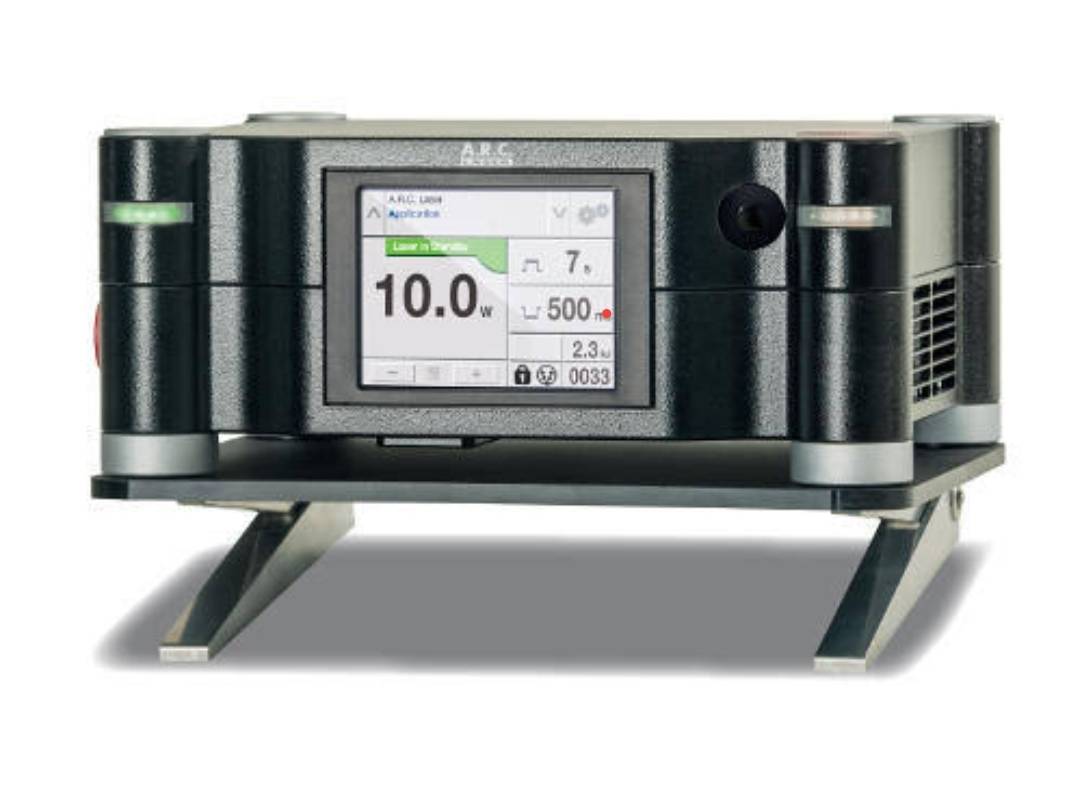 | Laser Piles Laser Fissure Surgery Laser Piles Surgery, Laser Fissure Surgery We are specialized in Laser Treatment of Fissure and Piles, It is one of the most Innovative and Painless Treatment of Piles & Fissures View product → |
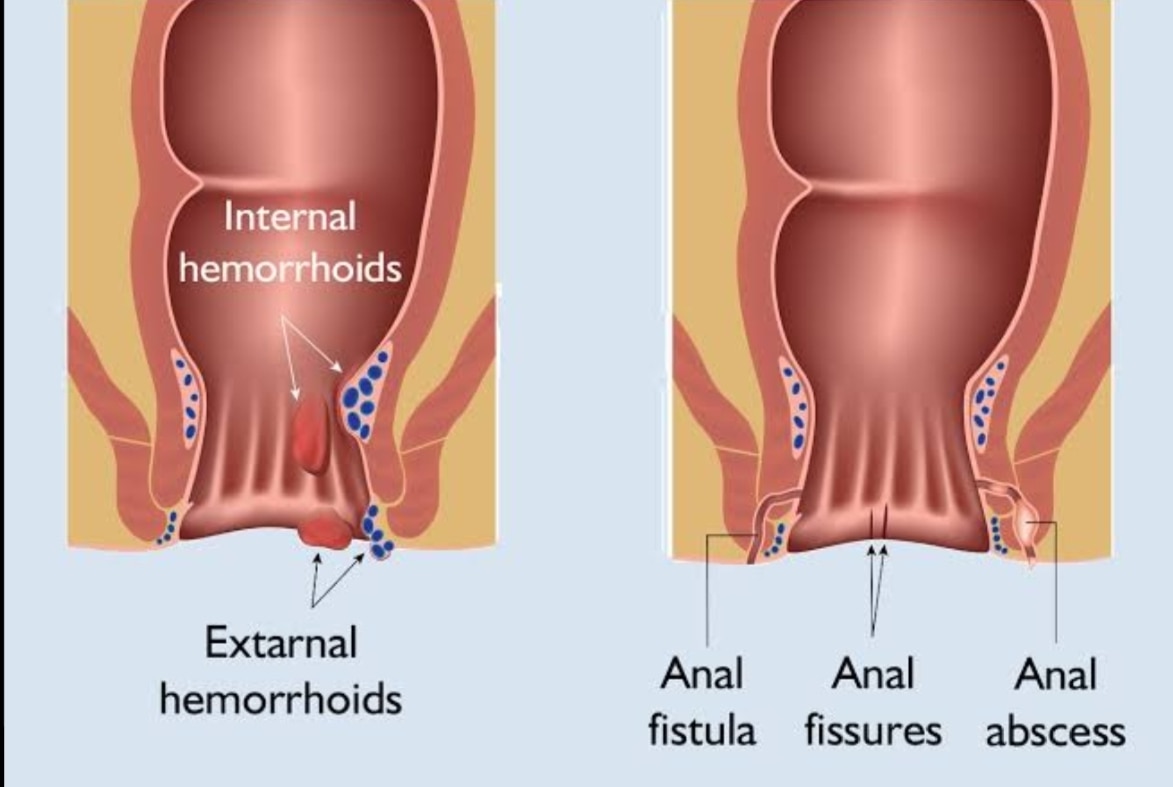 | Proctology Painless piles surgery, Miph, Suture Rectopexy, laser treatment of piles Piles one of the most common cause of Bleeding in motion area. All bleeding needs to be consulted by surgeon to rule out malignancy. View product → |
Frequently asked questions
Which findings make laser piles surgery worth considering?
A doctor may consider a procedure when bleeding, prolapse, pain or daily disruption continues after fibre, fluids, stool-softening medicines and toilet-habit changes. The decision requires an examination and haemorrhoid grading.
How does a surgeon confirm that bleeding or pain is caused by piles?
The surgeon takes a symptom history and examines the anus and rectum. Depending on your age, symptoms and examination findings, they may recommend tests such as anoscopy, proctoscopy, colonoscopy or blood tests to exclude other causes.
When are laser piles procedures suitable for the type of haemorrhoid you have?
Suitability depends on whether the haemorrhoids are internal or external, their grade, the extent of prolapse and the presence of thrombosis or another condition. A surgeon must match the procedure to these findings rather than recommend laser treatment for every case.
How does laser treatment compare with other piles procedures?
Laser treatment differs from rubber-band ligation, injection treatment and haemorrhoidectomy in how tissue is treated, the anaesthesia used, recovery time and recurrence risk. Ask the surgeon why laser treatment fits your diagnosis and what alternative they recommend.
What should you check before choosing a piles surgeon in Ghatkopar?
Check the surgeon’s qualifications, experience with your haemorrhoid grade, facility standards, proposed procedure, anaesthesia plan, total fees, follow-up arrangements and the plan if symptoms persist or recur.