Before booking a single-incision operation, you need confirmation that the pain is appendicitis, that the appendix has not ruptured, and that SILS is safe for your anatomy and medical history. You will finish this process knowing which tests, questions, medication instructions, consent points and emergency warning signs belong in the decision.
Key takeaways
- Seek emergency care for worsening pain, fever, vomiting, or a rigid abdomen.
- Ask which tests confirm appendicitis before booking planned surgery.
- Discuss SILS, three-port, and open surgery risks—not only the scar.
- Confirm fasting, medicines, transport, and admission instructions before SILS surgery.
First decide whether this is an emergency or a planned consultation
Worsening pain in the right lower abdomen, fever, repeated vomiting, a rigid or hard abdomen, fainting, or inability to keep fluids down requires emergency department assessment. Do not wait for a single-incision appendectomy consultation when these symptoms are developing or intensifying.
A routine appointment suits a stable discussion, not suspected acute deterioration. The laparoscopic surgeon must first establish whether this is uncomplicated appendicitis, a perforation, an abscess, or a phlegmon—an inflammatory mass around the appendix.
An abscess or phlegmon may need intravenous antibiotics and image-guided drainage rather than immediate SILS, and imaging can change the operation plan.
If you are assessed urgently, bring or report:
- When the pain began and whether it moved to the right lower abdomen
- The highest recorded temperature
- The number of vomiting episodes and when you last kept down fluids
- Your medicines, especially anticoagulants, antiplatelet drugs, steroids and diabetes treatment
- Drug allergies and previous anaesthesia problems
- Pregnancy possibility, if relevant
- Previous abdominal operations and recent scan or blood-test results
Bring identification and a medication list if doing so does not delay care. The emergency team will decide whether you need observation, antibiotics, drainage, urgent surgery, or another diagnosis investigated; an elective booking should wait until that assessment is complete.
What the pre-booking consultation checks and tests
Before accepting a single-incision appendectomy consultation booking, the laparoscopic surgeon confirms the diagnosis, severity and anaesthetic risk. You will be asked when pain began, where it started, whether it moved to the right lower abdomen, and whether nausea, vomiting, fever, diarrhoea, constipation, painful urination or urinary frequency followed.
The examination checks tenderness, guarding, rigidity, abdominal distension and other signs of inflammation. The surgeon then reviews existing reports and decides whether imaging is needed to confirm appendicitis or identify perforation, abscess or another cause.
| Study | Usually favoured when | Limitation |
|---|---|---|
| Ultrasound | Children, pregnancy, or when avoiding radiation matters | Images can be limited by obesity, bowel gas or an appendix that is difficult to see |
| Contrast CT | Non-pregnant adults when the diagnosis remains unclear, or complications are suspected | Uses ionising radiation and intravenous contrast may require kidney-function review |
Possible tests are selected for your symptoms, age, medicines and planned anaesthetic, not ordered automatically:
- Complete blood count and C-reactive protein
- Kidney-function and electrolyte testing
- Coagulation tests when indicated
- Urine testing and pregnancy testing when relevant
- ECG for selected patients
The review also covers medicines, anticoagulants, antiplatelet drugs, diabetes treatment, allergies, previous anaesthesia problems, sleep apnoea, heart or lung disease, possible pregnancy and prior abdominal surgery. Do not stop prescribed treatment without instructions.
ChirayuHealthcare Polyclinic&Diagnostics in Mumbai can coordinate surgical consultation, pathology and diagnostic testing, but the treating surgeon and anaesthetist decide which tests you need.
Related products
 | Sils SILS/Scarless Appendectomy (Single incision laparoscopic Appendectomy) SILS Appendectomy is an advanced minimal invasive surgery in which surgery is done exclusively through single incision instead of 3 incisions in... View product → |
 | Appendectomy Appendectomy |
How the laparoscopic surgeon chooses SILS, three-port or open surgery
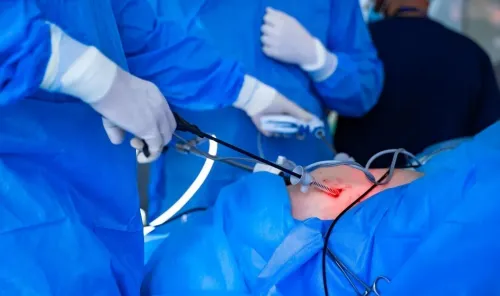
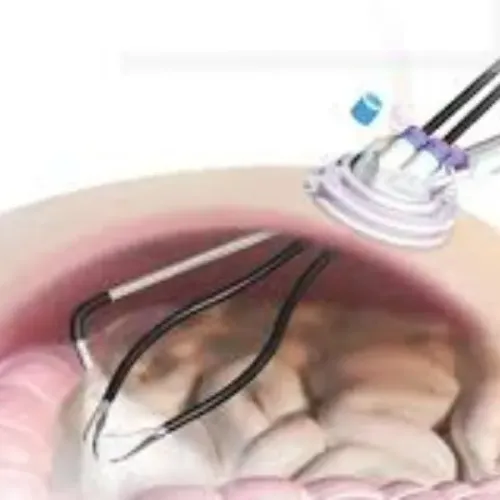
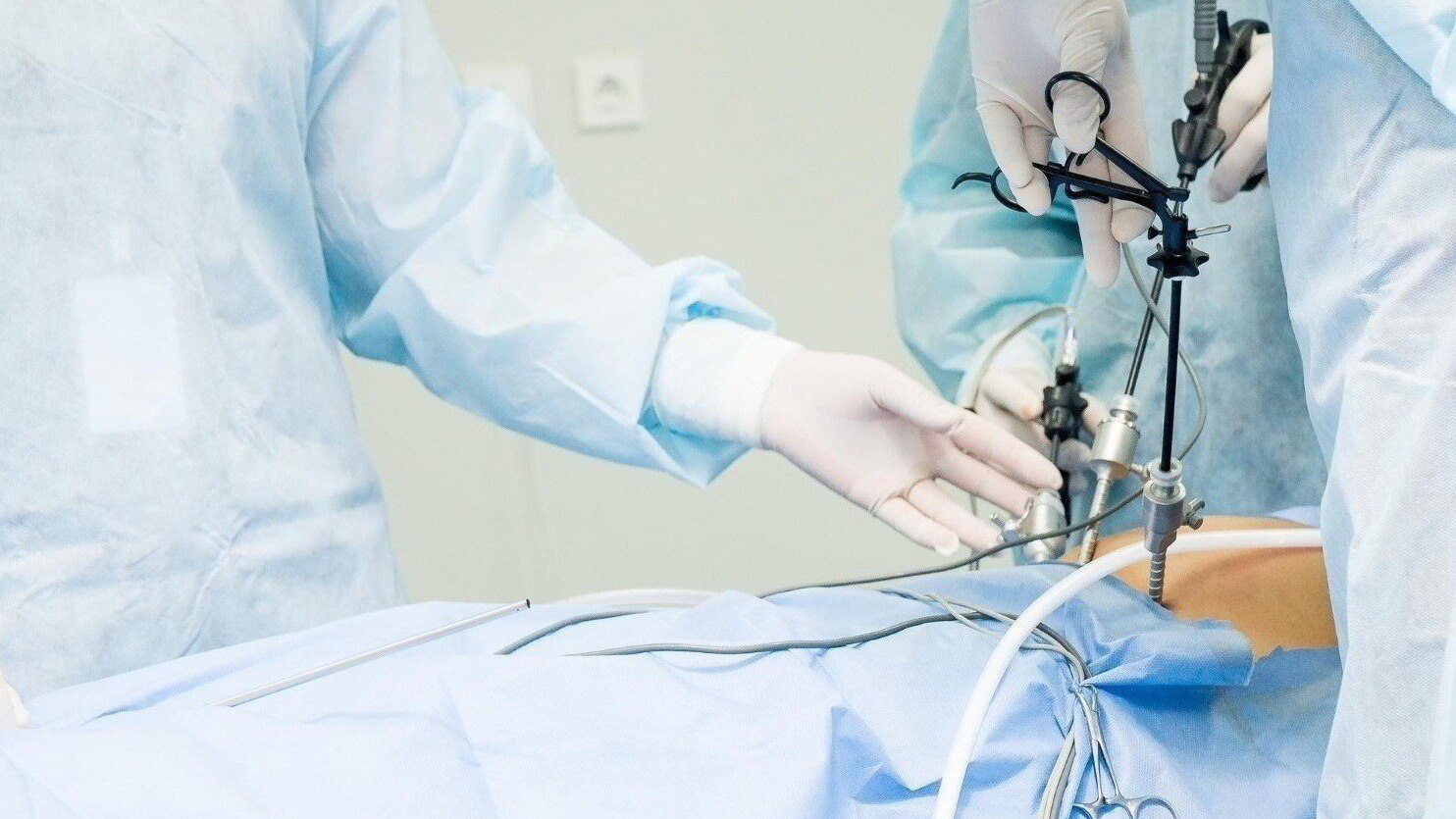
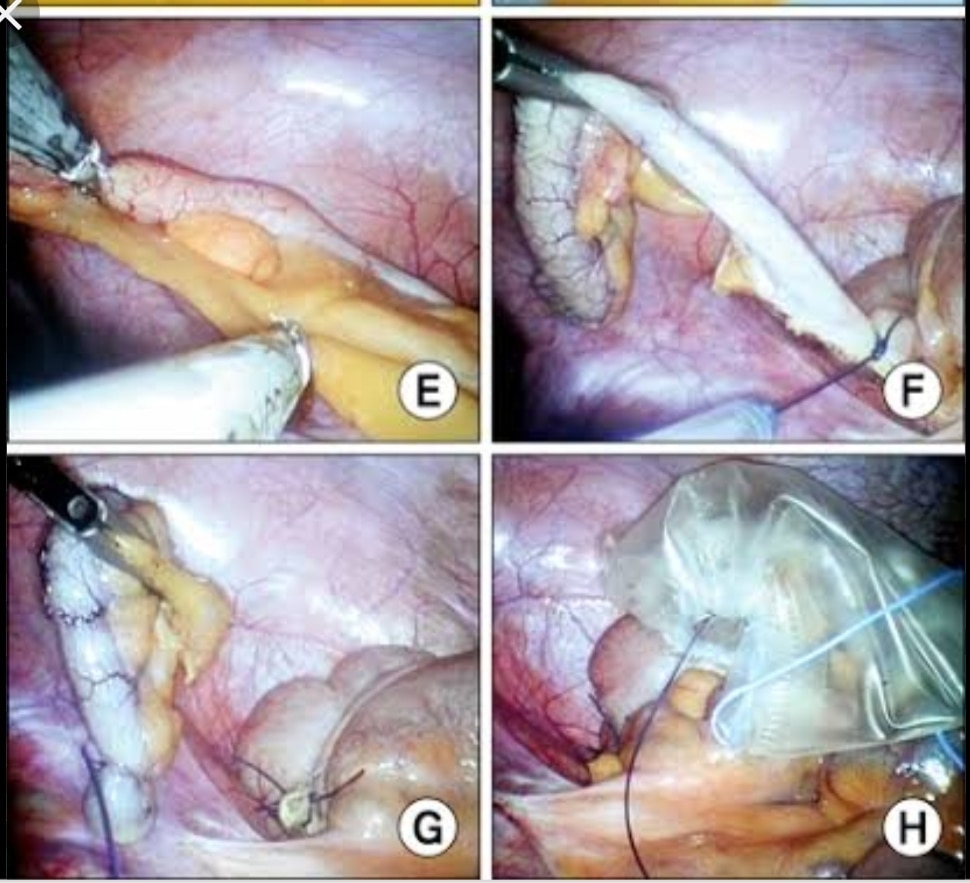
A laparoscopic surgeon chooses SILS only when the appendix, surrounding inflammation and your abdominal anatomy allow safe control through one access point. SILS still requires general anaesthesia, carbon-dioxide pneumoperitoneum, a single access device through or near the umbilicus, and laparoscopic instruments.
| Option | What it involves | When it fits |
|---|---|---|
| SILS | One umbilical access device and laparoscopic instruments | Uncomplicated disease with favourable anatomy and adequate working space |
| Three-port laparoscopy | Several small abdominal incisions for separate camera and instruments | When instrument movement, visibility or control would be safer and easier |
| Open appendectomy | An abdominal incision and direct access to the appendix | When laparoscopic control is unsafe, inadequate or impossible |
SILS becomes a poor choice when imaging or examination shows:
- Perforated or ruptured appendicitis, an abscess or diffuse peritonitis
- Severe inflammation, an inflammatory mass or unclear diagnosis
- Dense adhesions from previous abdominal surgery
- Unusual anatomy or obesity-related difficulty reaching and operating through the umbilical access
An abscess may need antibiotics and image-guided drainage instead of immediate SILS. The surgeon may add ports or convert to an open operation if bleeding, dense inflammation, an unexpected mass or unsafe anatomy prevents reliable appendix control.
SILS may offer a cosmetic advantage, but crowded instruments, a steeper learning curve and longer operating time can make three-port laparoscopy more practical. “Scarless” is not a guaranteed result: the umbilical wound can remain visible. Use these scarless appendectomy inclusions as questions about safety and source control, not as a promise of a particular scar.
What the consent discussion includes beyond the scar
Before booking, agree that SILS is a safety-first operation, not a guaranteed cosmetic result. “Scarless appendectomy” is shorthand: the umbilical wound can remain visible, widen, hurt, or develop an incisional hernia. The scarless appendectomy inclusions in consent should cover:
1. Risks beyond the scar: bleeding; wound or intra-abdominal infection; bowel or other-organ injury; anaesthetic complications; blood clots; postoperative ileus; stump leakage; and port-site or incisional hernia.
2. Conversion if difficult anatomy, perforation, bleeding, dense inflammation, an unexpected mass, or inability to control the appendix safely requires extra laparoscopic ports or an open incision. This is a safety decision, not automatically a surgical error.
3. Antibiotic planning: prophylactic antibiotics before the incision; no routine postoperative antibiotics after complete removal of uncomplicated appendicitis; and therapeutic antibiotics when perforation or another complicated infection is present.
4. Pathology: the appendix is normally sent for examination. An unexpected neoplasm can require further imaging, specialist review, or additional treatment.
5. Recovery and discharge: selected patients with uncomplicated appendicitis may leave the same day or after a short stay once they tolerate food or fluids, walk safely, pass urine, and control pain with oral medicine. Perforation, severe infection, major medical conditions, or anaesthetic concerns can require longer observation.
Ask the surgeon to explain each point in plain language and record which alternatives remain if SILS is unsafe.
SILS surgery preparation: instructions to confirm before admission
Complete SILS surgery preparation by following the anaesthesia team’s exact fasting times; do not guess from internet advice. Ask whether to bathe with ordinary soap or an antiseptic wash, wear loose clothing, and bring photo identification, admission papers, scan and pathology reports, prescriptions, and allergy details.
Arrange transport home and an adult escort who can stay after discharge.
Do not stop or change anticoagulants, antiplatelet drugs, or diabetes medicines independently. Change them only when the surgical or anaesthesia team gives specific instructions. SILS appendectomy details still include general anaesthesia, carbon-dioxide pneumoperitoneum, and a single access device, usually through the umbilicus.
Ask these questions before admission:
- Who will perform the operation, and how often do they perform single-incision appendectomy?
- Which findings would require extra ports or conversion to open surgery?
- Is same-day discharge realistic for you?
- When is postoperative review, and which symptoms require urgent contact, such as worsening pain, fever, repeated vomiting, wound discharge, or breathing difficulty?
| Situation | Expected observation | Confirm with the team |
|---|---|---|
| Uncomplicated appendicitis | Same day or short stay after walking, passing urine, tolerating food or fluids, and controlling pain orally | Discharge time and escort arrangements |
| Perforation or severe infection | Longer observation and possible therapeutic antibiotics | Overnight plan and warning signs |
| Major medical condition or anaesthetic concern | Longer monitoring may be needed | Additional tests and admission criteria |
Use this checklist during consultation, testing, and follow-up planning. Choose the operation after examination, imaging, medical review, and consent discussion—not from a cosmetic label.
Frequently asked questions
When should you seek emergency care instead of booking a SILS consultation?
Go to an emergency department for worsening right-lower-abdominal pain, fever, repeated vomiting, a rigid or hard abdomen, fainting, or inability to keep fluids down.
What does a single-incision appendectomy consultation check?
The consultation reviews your symptoms, examination findings, medical history, medicines, allergies, and tests used to assess appendicitis and surgical risk.
How does a laparoscopic surgeon choose SILS, three-port, or open surgery?
The choice depends on the examination, imaging, inflammation or perforation, previous abdominal surgery, anaesthesia risk, and the safest way to remove the appendix.
What should SILS surgery preparation instructions cover?
Confirm fasting times, which medicines to stop or continue, required tests, arrival time, documents, discharge arrangements, and who will take you home.