“Scarless” gallbladder surgery does not mean surgery without a cut: single-incision laparoscopic cholecystectomy usually uses a small opening in or near the navel, where the final mark may be less noticeable. You will learn how the operation is performed, who is a suitable candidate, when conventional or open surgery is safer, and which questions to ask before choosing a surgeon.
Key takeaways
- SILS leaves one small navel-area incision, not literally no scar.
- Ask whether bile-duct stones require MRCP, ERCP, or a different treatment first.
- Open surgery may be safer when inflammation, scarring, or anatomy complicates SILS.
- Compare a surgeon’s SILS experience, conversion policy, hospital support, and follow-up plan.
What “scarless” gallbladder surgery really leaves behind
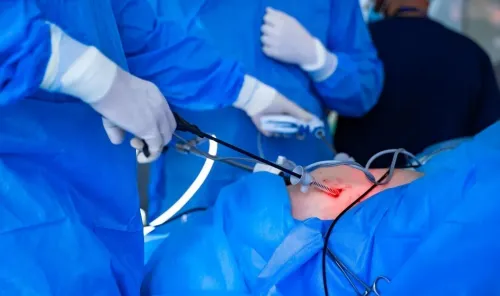
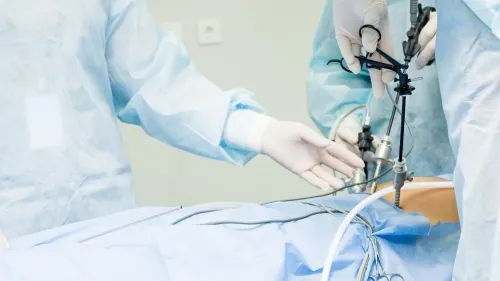
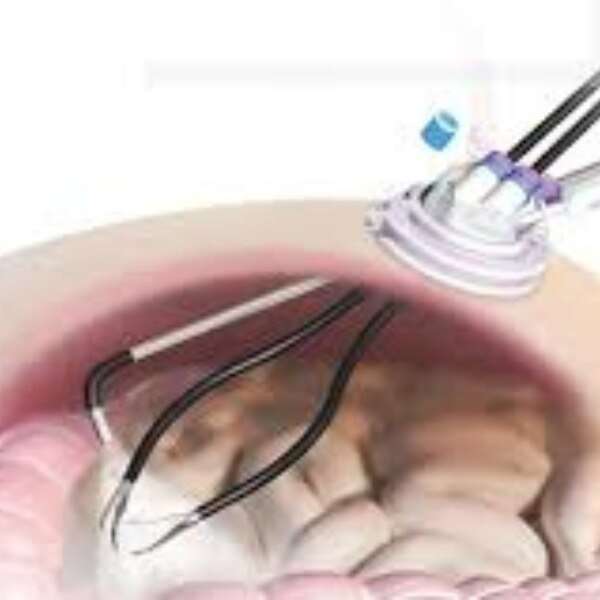
Single-incision laparoscopic cholecystectomy (SILS) removes the gallbladder through one small cut, usually 1.5–2.5 cm within or beside the navel. The surgeon inflates your abdomen with carbon dioxide, inserts a camera and long instruments through an access port, separates the gallbladder from the liver, and removes it in a retrieval bag.
During the procedure, the surgeon must identify the cystic duct and cystic artery, clip or seal and divide them, then check for bleeding or bile leakage before closing the umbilical wound. It is still surgery through an incision, not an incision-free operation.
“Scarless gallbladder surgery” is marketing shorthand for a scar that can hide in the navel’s natural fold. A visible mark can still remain after a scarless gallbladder operation. Healing may also produce a widened or painful scar, and a weakness at the navel can cause an incisional hernia.
Compared with conventional laparoscopy, which uses three or four abdominal incisions, SILS offers its clearest potential advantage in appearance. It does not guarantee less pain or faster recovery.
Because instruments enter through one point, they crowd each other and provide less triangulation; adding another port or converting to open surgery is a safety decision, not a failed operation.
The single-incision gallbladder surgery steps, from assessment to discharge
Before surgery, the team reviews your symptoms, ultrasound or other imaging, medicines, allergies, previous abdominal operations, and anaesthetic risk. You fast as instructed, receive general anaesthesia, and discuss the backup plan if the anatomy cannot be identified safely.
The single-incision gallbladder surgery steps usually follow this order:
- The surgeon makes a 1.5–2.5 cm incision in or beside the navel and places an access port.
- Carbon dioxide inflates the abdomen, creating working space for a camera and long instruments.
- The gallbladder is exposed, and the hepatocystic triangle is cleared. The surgeon must see only the cystic duct and cystic artery entering the gallbladder before dividing either structure.
- Clips or a sealing device close the cystic duct and artery, which are then divided.
- The gallbladder is separated from the liver, placed in a retrieval bag, and removed through the umbilical incision.
- The surgeon checks for bleeding, bile leakage, and injured nearby structures before removing the instruments and closing the wound.
This SILS cholecystectomy process can change if inflammation, scarring, bleeding, or unclear anatomy prevents safe progress. The surgeon may add ports, perform a subtotal removal, use intraoperative imaging, or convert to open surgery; that is a safety decision, not a failed operation.
Afterward, nurses monitor pain, nausea, breathing, blood pressure, and the wound. Discharge follows when you can drink and walk, symptoms are controlled, and there is no concern about bleeding or bile leakage. Fever, worsening pain, repeated vomiting, jaundice, breathlessness, or spreading wound redness needs urgent assessment.
Who is suitable for SILS—and when another approach is safer
Uncomplicated gallstones, a normally positioned gallbladder, no jaundice, and no suspected common-bile-duct stone support SILS. The best candidates also have no major upper-abdominal surgery, severe obesity, bleeding disorder, or serious medical condition that makes prolonged, technically difficult surgery unsafe.
| Option | What it means | When it applies |
|---|---|---|
| SILS | One umbilical access site | Straightforward anatomy and limited inflammation |
| Multi-port laparoscopy | Three or four small access sites | Obesity, adhesions, prior surgery, acute inflammation, or difficult exposure |
| Bailout procedure | Extra port, intraoperative imaging, or subtotal cholecystectomy | The critical view of safety cannot be obtained |
| Open surgery | A larger abdominal incision | Suspected cancer, uncontrolled bleeding, severe infection, or anatomy that remains unsafe |
SILS crowds instruments at one entry point and reduces triangulation. A surgeon must clear the hepatocystic triangle, separate the lower gallbladder from the liver, and identify only the cystic duct and cystic artery entering the gallbladder before dividing either structure.
If that view is unclear, adding ports or performing a subtotal cholecystectomy protects the bile duct.
Ask these questions before consenting:
- What findings would make you add ports or abandon SILS?
- Can the hospital provide intraoperative imaging, endoscopy, blood support, and emergency open surgery?
- How will you manage a common-bile-duct stone, dense adhesions, bile leakage, or bleeding?
Conversion is a safety decision, not a failed operation. A smaller skin incision never outweighs secure anatomy.
Tests, bile-duct stones, and preparation before the operation
Ultrasound usually confirms gallstones, gallbladder-wall thickening, fluid around the gallbladder, or a widened bile duct. It can miss a stone lodged in the common bile duct, so abnormal liver tests, jaundice, fever, or pancreatitis require further assessment.
| Test | What it shows | When it helps |
|---|---|---|
| Ultrasound | Gallstones, inflammation, duct width | First-line assessment |
| Liver-function tests | Bilirubin, alkaline phosphatase, AST and ALT changes | Suspected duct blockage |
| MRCP | Detailed images of the bile ducts without an endoscope | Possible duct stone |
| Endoscopic ultrasound | Small stones or sludge near the duct opening | Unclear ultrasound or MRCP |
| ERCP | Direct duct access, stone removal and stent placement | Confirmed or strongly suspected obstructing stone |
If imaging finds a common-bile-duct stone, the team usually removes it with ERCP before or around the time of gallbladder surgery. ERCP is a treatment, not a routine replacement for removing the gallbladder; leaving the gallbladder in place allows new stones to form.
Prepare for general anaesthesia by following the hospital’s fasting instructions exactly:
- Stop solid food and non-clear drinks at the stated time; many protocols allow clear fluids until two hours before anaesthesia.
- Give the anaesthetist your medication list, allergies, prior anaesthetic problems, and any loose teeth.
- Ask specifically when to stop warfarin, apixaban, aspirin, diabetes medicines, or supplements. Do not stop prescribed drugs without instructions.
- Report fever, jaundice, vomiting, or worsening abdominal pain before admission.
Choosing a single-incision laparoscopic surgeon near Ghatkopar
Judge the service by its safety fallback, not by the word “scarless.” If you searched for a single incision laparoscopic surgeon scarless for gallbladder surgery in ghatkopar, ask these questions before comparing fees or photographs:
- How regularly do you perform single-incision cholecystectomy?
- What happens if instruments crowd the access site or the anatomy is unclear?
- Will you add ports or convert to open surgery when that is safer?
- Who will provide anaesthesia, and is an experienced anaesthetist present?
- Can the hospital provide ultrasound or other imaging, endoscopy, blood support, and emergency surgery?
ChirayuHealthcare Polyclinic&Diagnostics can help you begin this local discussion, but confirm which hospital will actually perform the operation and manage complications.
| Option | Evidence to look for | Why it matters |
|---|---|---|
| SILS offered safely | Consent includes bile-duct injury, bleeding, bile leak, retained duct stones, infection, anaesthetic risks, and conversion | A smaller incision does not remove surgical risk |
| Hospital readiness | Anaesthesia, imaging, endoscopy, blood support, and emergency operating access | Delays matter when bleeding or bile leakage occurs |
| Conversion plan | The surgeon explains when another port or open surgery is necessary | A safety decision is not a failed operation |
| “Scarless” promise alone | Emphasis on appearance without discussing the 1.5–2.5 cm umbilical incision | The scar can widen, hurt, or develop an incisional hernia |
For gallbladder surgery near Ghatkopar, choose the team that explains anatomy, bailout planning, and after-hours care clearly—not the one promising a mark-free result.
Related products
 | Sils SILS/Scarless Cholecystectomy (single incision laparoscopic Cholecystectomy) SILS SILS is an advanced minimal invasive surgery in which surgery is done exclusively through single incision instead of 3-4 incisions in... View product → |
 | Gall Badder Calculli- stone disease Gall Bladder (Biliary) Stone Treatment Gall Bladder (Biliary) Stone Treatment is done by SILS Ie Single incision laparoscopic surgery which is most advanced form of laparoscopic surgery... View product → |
Frequently asked questions
What does “scarless” gallbladder surgery really leave behind?
SILS uses one 1.5–2.5 cm incision in or beside the navel. It leaves a small scar, although the navel can make it less visible.
What are the steps in single-incision gallbladder surgery?
The process includes assessment, anaesthesia, carbon-dioxide inflation, camera and instrument insertion, gallbladder dissection, retrieval-bag removal, incision closure, recovery, and discharge.
Who is suitable for SILS cholecystectomy?
Suitability depends on gallbladder disease, inflammation, previous abdominal surgery, body habitus, anatomy, and whether the surgeon can safely access and remove the gallbladder.
What tests are needed before single-incision gallbladder surgery?
Assessment can include an ultrasound, liver-function tests, blood counts, clotting tests, kidney testing, anaesthesia review, and MRCP or ERCP when bile-duct stones are suspected.
When is another gallbladder surgery approach safer?
A multi-port laparoscopic or open approach may be safer when severe inflammation, dense scar tissue, bleeding, unclear anatomy, or complex bile-duct disease makes SILS difficult.