Choosing laser treatment starts with proving that a particular vein is causing reflux, not with judging how prominent it looks. You will learn what the ultrasound shows, how the procedure is performed, what to arrange beforehand, and which recovery symptoms need medical attention.
Key takeaways
- Duplex ultrasound must confirm reflux in a treatable truncal vein.
- Walk soon after EVLA, but follow your specialist’s compression and activity instructions.
- Seek urgent advice for chest pain, breathlessness, or sudden one-sided leg swelling.
- Compare EVLA with foam sclerotherapy, surgery, and medical compression before deciding.
How the specialist decides whether laser treatment fits
Endovenous laser ablation fits when duplex ultrasound shows reflux in a superficial truncal vein that matches your symptoms and can be safely accessed. Bulging veins alone do not prove that laser treatment is appropriate; the visible branches may be consequences of reflux higher in the great or small saphenous vein.
During the scan, the specialist maps:
- The vein causing reflux and the direction of abnormal blood flow
- The vein’s diameter, depth, straightness, and access route for the laser fibre
- The deep veins for thrombosis, obstruction, or impaired drainage
- Tributary veins that could remain after the main refluxing vein is closed
The specialist also matches the scan with aching, heaviness, swelling, itching, skin changes, or ulcers. A vein that is extremely tortuous, difficult to enter, close to a nerve, or unsuitable for fibre passage can make EVLA a poor choice, even when reflux exists.
There is no single vein-size cutoff that decides every case; anatomy, equipment, and operator assessment matter.
A suitable laser vein surgery process starts with documented truncal reflux, a safe treatment path, and no untreated deep-vein problem that changes the plan. If endothermal treatment is unsuitable, ask why ultrasound-guided foam sclerotherapy, ambulatory phlebectomy, compression, or another option fits better.
Choose a specialist who performs and interprets the duplex rather than recommending laser from appearance alone.
What happens at the consultation and before treatment day
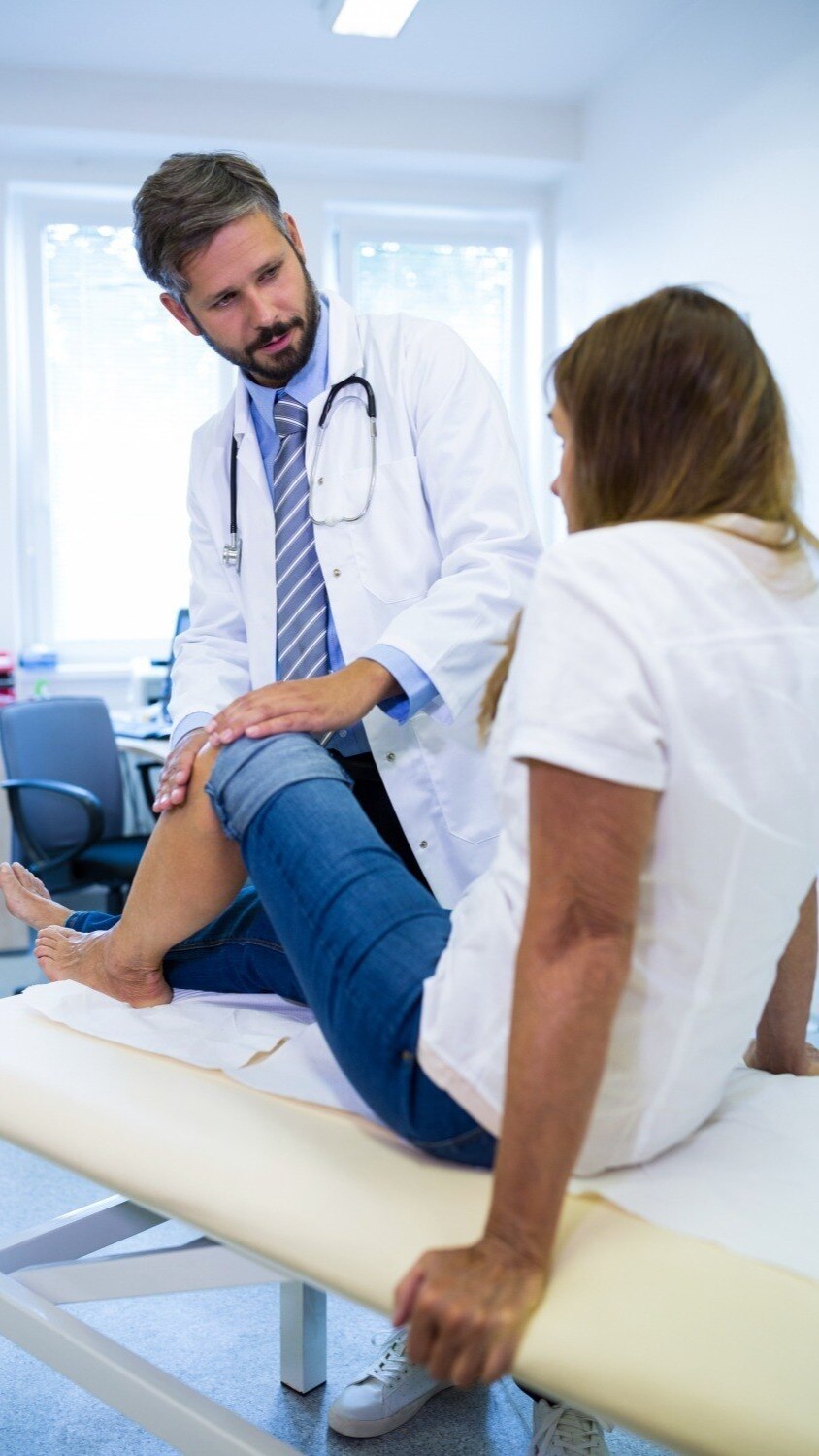
Expect a leg examination and a duplex ultrasound before EVLA. The specialist will inspect swelling, skin changes and visible veins, feel the limb, and compare both legs. During vein mapping, ultrasound identifies reflux, traces the responsible vein, measures its course, and checks the deep veins for clot or obstruction.
1. Bring every medicine list, including doses and supplements. Discuss blood thinners such as warfarin, apixaban or aspirin, diabetes medicines, allergies, and previous reactions to local anaesthetic. Do not stop a prescribed drug unless the clinician gives you a specific plan.
2. Ask what happens during laser vein surgery, including the anaesthetic, catheter access, laser fibre, compression, walking and discharge. The specialist should explain alternatives, expected benefits, and risks such as bruising, nerve irritation, skin burns, thrombosis and pulmonary embolism.
3. Sign consent only after your questions are answered. Confirm which vein will be treated, whether tributary veins need separate treatment, who will perform the procedure, and what warning symptoms require urgent help.
4. Wear loose trousers or a loose skirt with shoes that fit after a dressing or compression stocking. Ask whether to bring a prescribed stocking and arrange transport if sedation is planned.
5. Follow the facility’s food and drink instructions. Local anaesthetic alone often permits a light meal and normal fluids; sedation requires fasting for the exact period provided. Clearance to proceed depends on the clinic’s instructions.
What happens during laser vein surgery
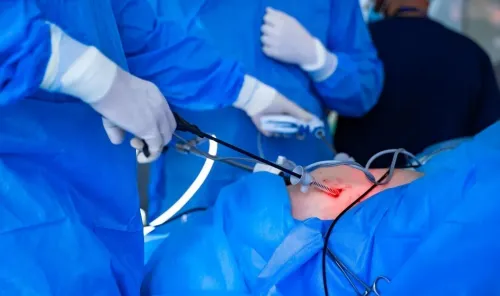
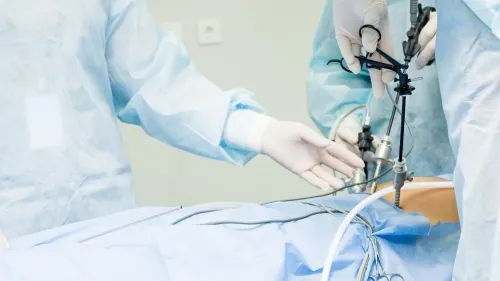
You are usually awake throughout EVLA, with the leg exposed and the treatment area cleaned. The clinician uses duplex ultrasound to mark the target vein, numbs the skin with local anaesthetic, and guides a needle into the vein before passing a catheter and laser fibre along it.
The treatment then follows these steps:
- The clinician injects tumescent local anaesthetic around the vein under ultrasound guidance. This numbs the vein’s surroundings, cushions nearby tissue, and helps keep the laser at a controlled distance from the skin.
- You may feel pressure, pushing, or brief stinging, but laser activation should not feel like a cut or burn. Tell the clinician immediately if you feel sharp pain.
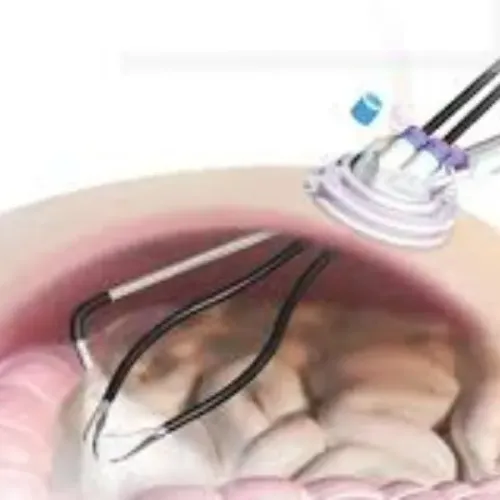
- The fibre delivers laser energy in short pulses as it is withdrawn. Heat damages the vein wall, causing the incompetent vein to seal closed rather than being pulled out.
- Blood reroutes through healthier veins. Your body gradually breaks down the sealed vein over time.
- Visible tributary veins may be treated through tiny punctures with ambulatory phlebectomy, or with ultrasound-guided foam sclerotherapy when that suits their size and pattern.
The fibre and catheter are removed after the treated segment is closed, and the access site receives a dressing. If you are researching laser vein surgery for process in ghatkopar, ask whether ultrasound confirms reflux and whether the clinician explains how the main vein and tributaries will be handled.
Laser vein surgery recovery: walking, sensations, and warning signs
Most patients leave the facility the same day, after the clinician confirms they are steady and their local anaesthetic recovery is satisfactory. You can usually walk soon after EVLA; walking is encouraged because prolonged bed rest increases clot risk. Arrange a lift home if advised, and follow instructions about driving.
Laser vein surgery recovery commonly includes bruising and soreness around the entry point or along the treated vein. A pulling, tight, or cord-like feeling can occur as the vein contracts. Mild warmth, tingling, or numbness near the treated area is also possible and usually improves as irritated nerves settle.
Keep walking in short, comfortable periods, but avoid running, strenuous exercise, or heavy lifting until your clinician clears them. Wear compression if prescribed, and do not use pain intensity alone to judge whether the laser treatment worked.
| Finding | Usually expected | Needs urgent assessment |
|---|---|---|
| Bruising or soreness | Mild tenderness that gradually eases | Pain that becomes severe or keeps worsening |
| Tightness or pulling | A firm, tight track along the treated vein | Rapidly increasing swelling, especially in one leg |
| Warmth or redness | Local warmth near the treated vein | Spreading redness, marked heat, fever, or pus |
| Numbness or tingling | Temporary altered sensation near the treatment path | New weakness, extensive numbness, or worsening nerve symptoms |
| Breathing or chest symptoms | Not expected | Chest pain, sudden breathlessness, coughing blood, or fainting |
Contact the treating team promptly for a painful, hard, red vein. Seek emergency care for symptoms suggesting deep-vein thrombosis or pulmonary embolism.
How EVLA compares with other treatments and how to choose a specialist
EVLA seals the faulty truncal vein from inside; it does not remove it. Blood reroutes through healthy veins, while the closed vein gradually breaks down. The choice depends on duplex-confirmed reflux, vein anatomy, symptoms and the appearance of tributaries—not on the word “laser” alone.
| Option | What it does | When it applies |
|---|---|---|
| Endovenous laser ablation (EVLA) | Uses a fibre and heat to close a refluxing superficial vein | Suitable truncal reflux with accessible anatomy |
| Radiofrequency ablation | Uses radiofrequency heat to close the vein | Another endothermal option with a similar day-care approach |
| Foam sclerotherapy | Injects ultrasound-guided foam that scars the vein closed | When endothermal treatment is unsuitable, or for selected tributaries |
| Ambulatory phlebectomy | Removes surface tributaries through tiny skin openings | Bulging branches that remain after truncal treatment |
| Compression therapy | Supports venous return and eases aching or swelling | Symptom control, pregnancy, or when intervention is unsuitable |
| Vein stripping | Surgically removes the faulty vein | Usually reserved when EVLA and foam are unsuitable |
Closing the main vein does not guarantee clear legs: residual branches can need phlebectomy or foam, and new reflux can develop later.
If you search “varicose veins specialist near me” in Ghatkopar, verify:
- The clinician performs and interprets a venous duplex ultrasound and documents reflux.
- The consultation covers EVLA, radiofrequency, foam, phlebectomy and surgery.
- You receive a written plan explaining why one option fits your anatomy.
- Ask ChirayuHealthcare Polyclinic&Diagnostics who performs the scan and how its findings guide the laser vein surgery process.
Related products
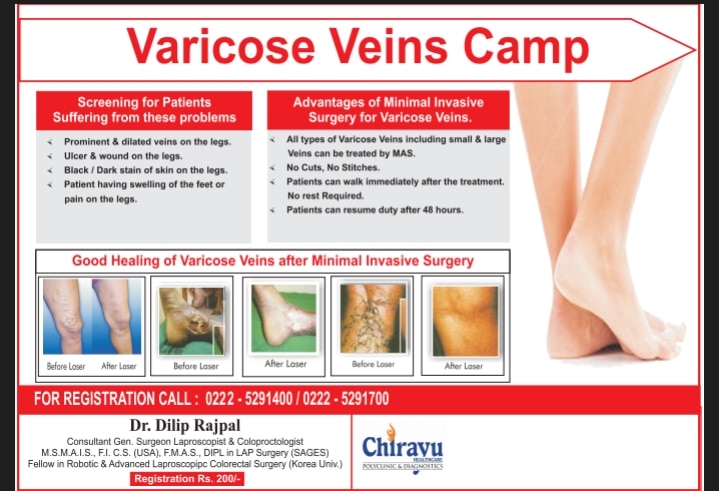 | Laser varicose veins surgery Laser varicose vein surgery is a procedure that uses heat from a laser to reduce varicose veins. View product → |
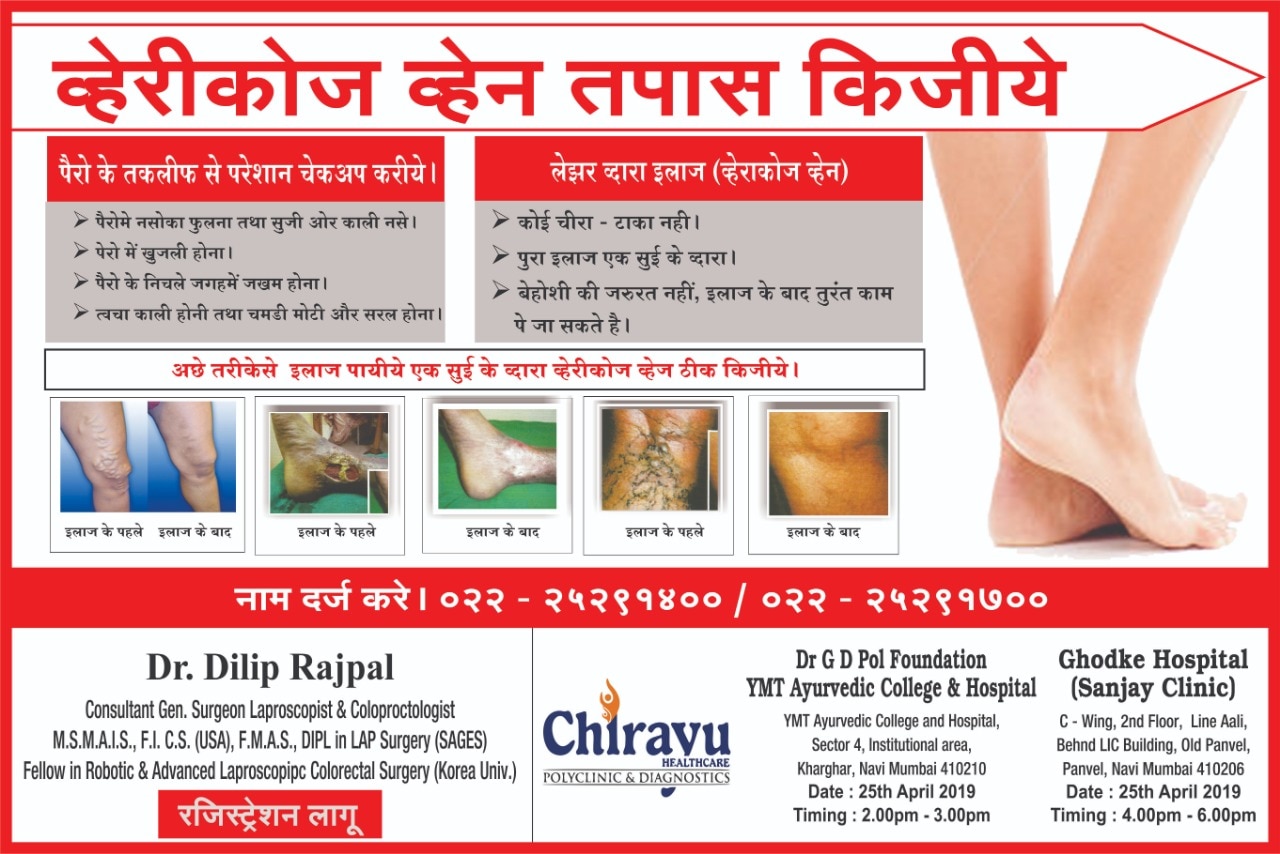 | What are varicose veins? Varicose veins in legs An example of varicose veins in the leg. View product → |
Frequently asked questions
How does a specialist decide whether laser vein surgery is suitable?
The specialist uses a duplex ultrasound to identify reflux, usually in the great or small saphenous vein, and checks whether the vein’s path can be accessed safely. Visible bulging veins alone do not establish that EVLA is appropriate.
What happens before laser vein surgery?
At the consultation, expect a symptom and medical history, leg examination, and duplex ultrasound. Before treatment, ask about medicines, fasting instructions, compression garments, transport home, activity limits, and the treatment plan for visible branch veins.
What happens during laser vein surgery?
The team maps the vein with ultrasound, numbs the skin and tissues around the vein, places a laser fibre through a small entry point, and delivers controlled heat to close the faulty vein. Blood then returns through healthier veins.
What is laser vein surgery recovery like?
Most patients walk soon after treatment and experience tightness, bruising, tenderness, or a pulling sensation along the treated vein. Follow the prescribed walking and compression plan, and contact your specialist for worsening pain, marked swelling, redness with fever, chest pain, or breathlessness.