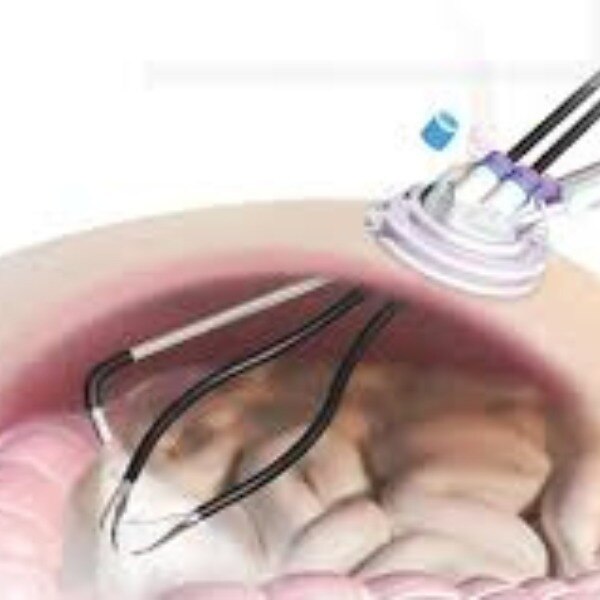
Recovery after a single-incision appendectomy depends on more than the small umbilical wound: the appendix findings, pain, bowel function and any complications change the timetable. You will be able to identify normal healing, follow practical activity and wound-care steps, recognise urgent warning signs, and ask a surgeon in Ghatkopar questions that affect your follow-up.
Key takeaways
- Walk briefly each day and increase activity only when pain allows.
- Keep the umbilical wound clean and dry; do not pick at glue or scabs.
- Use prescribed pain relief, drink fluids, and add fibre gradually.
- Seek earlier review for fever, worsening pain, spreading redness, vomiting, or pus.
What should you do each day after a single-incision appendectomy?
Recovery usually progresses in stages from discharge through the first month, not by the scar’s appearance alone. The single for incision laparoscopic surgeon appendectomy recovery in Ghatkopar timeline below applies to uncomplicated surgery; perforation, a drain, open surgery or significant pain can slow it.
- Day of surgery: Walk short distances with help. Drink only what your discharge instructions permit, and rest with your upper body slightly raised if lying flat feels uncomfortable.
- Days 1–2: Walk gently around your home, sleep in the position that does not pull at your navel, and take prescribed pain medicine on schedule. Shower only when instructed; do not bathe or swim while the wound is open or covered.
- Days 3–7: Add light household activity as comfort allows. Return to desk work or school when you can sit comfortably, think clearly and travel safely. Do not drive while taking opioid pain medicine, while movement hurts, or until you can brake firmly and turn without hesitation.
- Weeks 2–4: Increase walking gradually. Postpone running, gym exercises, abdominal workouts and heavy lifting until the operating surgeon clears you. Follow the exact lifting limit in your discharge instructions.
A single incision appendectomy recovery plan is personal, so do not use another patient’s timeline as your clearance. Contact your surgical team if activity causes increasing pain, rather than settling discomfort.
Which umbilical wound symptoms are normal, and how should you care for them?
Mild bruising, a small firm swelling, itching, pulling around the navel and tenderness are common early symptoms after single-incision appendectomy. Soreness should improve each day; coughing, standing or getting out of bed can briefly increase pain.
| Symptom | Usually expected | Contact the surgical team |
|---|---|---|
| Bruising | Fades gradually around the navel | Spreads quickly or appears with worsening pain |
| Small firm swelling | Settles as healing progresses | Becomes larger, hot, red or increasingly painful |
| Itching or pulling | Occurs as skin and tissue heal | Comes with wound separation or discharge |
| Soreness | Decreases over several days | Worsens instead of settling |
Keep the dressing, adhesive strips or skin glue in place for the period written on your discharge sheet. Do not peel them off early. When showering is permitted, let clean water run over the wound, avoid scrubbing, and pat it completely dry with a clean towel.
Wear loose cotton clothing that does not rub the navel.
Do not apply antiseptic liquid, antibiotic cream, powder, oil or scar cream unless the surgical team tells you to. Avoid soaking the wound in a tub or pool until it is closed. Call promptly for increasing redness, warmth, swelling, pus, a bad smell, fever, wound separation or worsening pain.
Laparoscopic appendectomy aftercare and scarless appendectomy follow up must assess wound healing and abdominal symptoms, not just the scar’s appearance.
How should you manage pain, food, fluids and bowel movements?
Take prescribed pain medicine at the stated dose and time; do not wait until pain becomes severe. Check every cold, headache or combination product for paracetamol. Two paracetamol-containing products can exceed the safe daily amount.
Ask your surgeon before taking ibuprofen or another anti-inflammatory, especially with kidney disease, stomach ulcers, bleeding risk, anti-inflammatory-triggered asthma or blood-thinner treatment.
| Situation | What to take or eat | What to watch |
|---|---|---|
| Nausea present | Water, oral rehydration fluid or clear soup in small, regular amounts | Seek advice if you repeatedly vomit or cannot keep fluids down |
| Nausea settling | Rice, toast, bananas, curd and vegetables, then normal meals as tolerated | Increasing abdominal swelling or worsening pain needs review |
| Opioid-related constipation | Walk regularly, drink enough and ask about a stool softener or laxative | Severe constipation with pain needs medical advice |
Drink regularly unless a clinician has restricted your fluids. Passing urine and gas, hydrating, and eating without worsening pain indicate that laparoscopic appendectomy aftercare is progressing.
- Repeated vomiting or inability to drink
- No urine, persistent diarrhoea or severe constipation with pain
- Increasing abdominal swelling or worsening abdominal pain
- Fever, breathlessness, fainting, or increasing incision redness, pus or separation
These symptoms can signal infection, bleeding, ileus or an abscess and may require emergency assessment.
When does appendectomy recovery require earlier medical review?
Earlier medical review is needed when the operative findings or discharge plan show more than uncomplicated appendicitis. After a straightforward laparoscopic removal, same-day or next-day discharge is common; a perforated or gangrenous appendix can change single incision appendectomy recovery substantially.
| Operative finding | Effect on follow-up |
|---|---|
| Uncomplicated appendix | Short admission and gradual activity increase |
| Perforation, gangrene, abscess or sepsis | Longer admission, intravenous antibiotics and closer abdominal review |
| Drain, extensive inflammation or open conversion | Slower activity progression and planned drain or wound review |
Ask what the surgeon found, whether a drain was placed, when it should be removed, and which symptoms require a same-day call. Do not compare your progress with someone whose appendix was removed before perforation.
Seek urgent assessment for fever, worsening abdominal pain, repeated vomiting, inability to drink, fainting, breathlessness, chest pain, calf swelling or sudden one-sided leg pain. Contact the surgical team promptly for increasing wound redness, warmth, pus, wound separation, persistent abdominal distension or inability to pass urine. Severe symptoms can signal infection, bleeding, ileus or an abscess.
The appendix is normally sent for histopathology. Ask when the report will be ready and how you will receive it, because an unexpected finding can change follow-up after symptoms improve. A scarless appendectomy follow up still needs to assess the wound and overall recovery, not appearance alone.
What should you ask an appendectomy recovery surgeon in Ghatkopar?
Choose postoperative access and safety planning over a small scar or a nearby clinic. A single-incision operation is not automatically better than multi-port laparoscopy: difficult instrument handling, longer operating time, or extra ports can be the safer choice.
| Option | What to compare | What it means for recovery |
|---|---|---|
| Single-incision laparoscopy | One umbilical access point and backup plan | Suitable when the appendix is safely visible and removable |
| Multi-port laparoscopy | Standard access through several small ports | Extra ports improve instrument control when inflammation or anatomy is difficult |
| Open surgery | Larger incision if minimally invasive access is unsafe | Often means more wound care and slower activity progression |
Ask the appendectomy recovery surgeon in ghatkopar:
- Do you perform both standard laparoscopic and single-incision appendectomies?
- What findings make one incision unsafe, such as perforation, abscess, severe inflammation, obesity, prior surgery, or unclear anatomy?
- Will you add ports or convert to open surgery when safety requires it?
- Who handles nights and weekends, and which number should you call for fever or worsening pain?
- When will the wound and pathology report be reviewed?
- What exact restrictions apply to desk work, physical work, driving, exercise, and lifting?
For anyone searching single for incision laparoscopic surgeon appendectomy recovery in ghatkopar, ask whether the discharge note records perforation, abscess, drain placement, antibiotics, and open conversion.
ChirayuHealthcare Polyclinic&Diagnostics in Ghatkopar can be one local option for surgical follow-up, wound review, and diagnostic needs; confirm emergency coverage and responsibility for postoperative complications before booking. The best surgeon gives you a specific plan and accessible follow-up, not only a cosmetic promise.
Related product
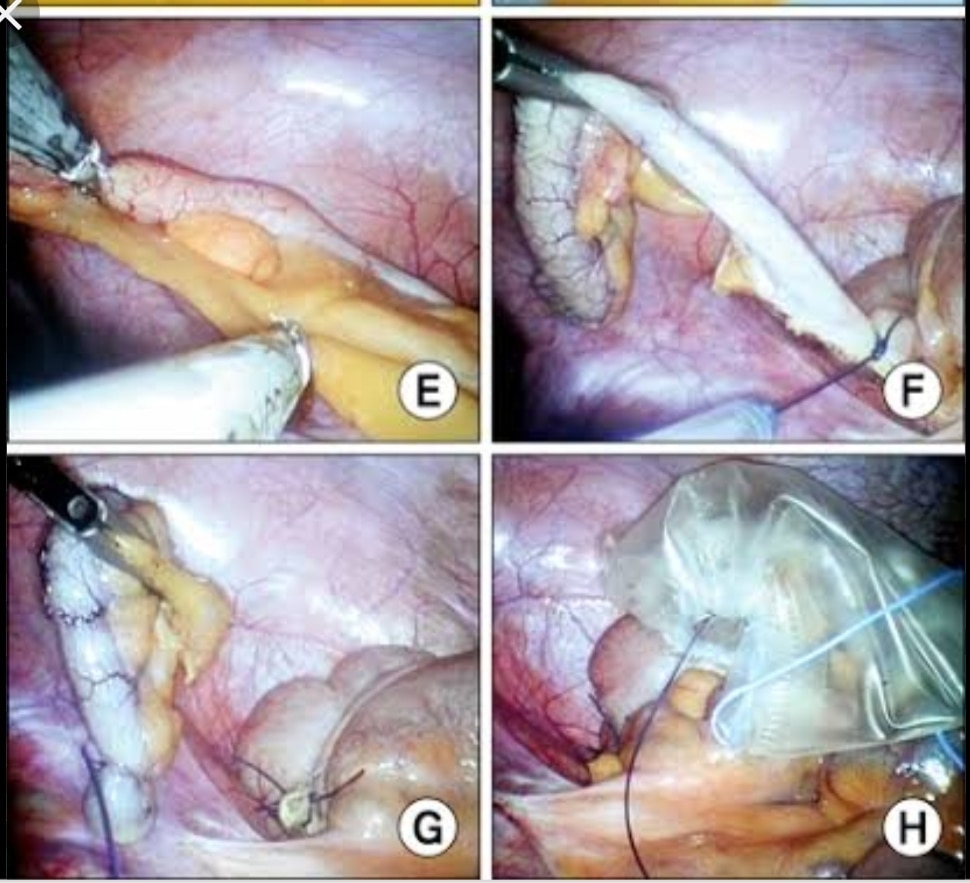 | Sils SILS/Scarless Appendectomy (Single incision laparoscopic Appendectomy) SILS Appendectomy is an advanced minimal invasive surgery in which surgery is done exclusively through single incision instead of 3 incisions in... View product → |
Frequently asked questions
What should you do each day after a single-incision appendectomy?
Follow a staged routine: rest and walk briefly after discharge, resume light activities gradually, and avoid heavy lifting until your surgeon clears it. Recovery takes longer after perforation, open surgery, a drain, or significant pain.
Which umbilical wound symptoms are normal after appendectomy?
Mild tenderness, bruising, swelling, itching, and a small amount of dried blood can occur while the incision heals. Keep the wound clean and dry, and leave surgical glue or scabs in place.
How should you manage pain, food, fluids and bowel movements?
Take prescribed pain medicine as directed, drink fluids, restart food with small portions, and increase fibre as your appetite returns. Walking and fluids help prevent constipation; ask your surgeon before using a laxative.
When does appendectomy recovery require earlier medical review?
Contact your surgical team promptly for fever, worsening or severe abdominal pain, repeated vomiting, increasing wound redness or swelling, pus, heavy bleeding, wound separation, inability to pass urine, or a swollen abdomen.
What should you ask an appendectomy recovery surgeon in Ghatkopar?
Ask when you can shower, drive, work, exercise, lift objects, remove dressings, and attend follow-up. Confirm how to manage medicines, constipation, wound changes, test results, and which symptoms require an urgent review.