“Morvyat” is not a standard diagnosis name, so safe recovery advice starts by confirming the exact condition and operation recorded in your medical documents. You will be able to separate expected discomfort from warning signs, organise aftercare, and prepare specific questions for the surgeon managing your recovery.
Key takeaways
- Confirm whether “Morvyat” means an anorectal condition, hernia or wound problem.
- Ask your surgeon for expected pain, bleeding, bowel and activity milestones.
- Keep the wound clean, prevent constipation and avoid straining on the toilet.
- Seek urgent care for heavy bleeding, fever, worsening pain or wound separation.
What does “Morvyat” mean, and which condition was actually treated?
“Morvyat” is not a standard diagnosis or procedure name in mainstream surgical guidance; it may be a local-language term for a wound problem, hernia or anorectal condition. Confirm the diagnosis before following any “Morvyat treatment aftercare” advice.
Check your discharge summary, operative report and pathology report. Ask the surgeon:
- What was removed or repaired?
- Was the operation anorectal or abdominal?
- Is there an incision, wound or dressing to monitor?
- Was tissue sent for testing?
- Who will explain the pathology result, and when?
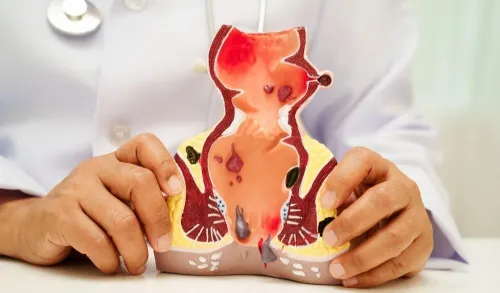
| Condition | Pattern that matters |
|---|---|
| Piles | Swollen veins causing bright-red bleeding, itching or a lump |
| Anal fissure | A tear causing sharp pain during or after passing stool |
| Fistula | A persistent external opening with repeated drainage |
| Perianal abscess | An infected cavity causing swelling, severe pain and fever |
| Rectal prolapse | Rectal tissue protruding through the anus |
| Hernia | A bulge through the abdominal wall, often worse with coughing or straining |
| Colorectal cancer | A mass or abnormal tissue requiring pathological examination |
Recovery depends on the confirmed operation, anaesthesia and your health conditions—not on the word “Morvyat” or “minimally invasive.” Smaller incisions do not remove the risks of bleeding, infection, bowel or urinary problems, or anaesthetic complications.
What is a realistic timeline for pain, bleeding, bowel movements and activity?
A realistic morvyat surgery recovery timeline is trend-based, not a fixed number of days: pain, bleeding and movement should gradually become easier, with progress judged against the operation you actually had.
1. Pain should become more manageable rather than suddenly intensify. A small amount of spotting or blood-tinged fluid can occur after some anorectal procedures. New, rapidly worsening or disproportionate pain needs prompt surgical advice.
2. The first bowel movement depends on the operation, anaesthesia, food and fluid intake, and medicines. Opioid painkillers, reduced movement and dehydration can cause constipation. Ask for an operation-specific stool-softener or laxative plan; extra fibre is not suitable immediately after every bowel or anorectal procedure.
3. Walk little and often instead of staying in bed for long periods. Follow the written lifting limit, and delay strenuous exercise until the surgeon clears it. A small incision does not automatically make heavy lifting safe.
4. Drive only when you can perform an emergency stop comfortably and take no sedating or impairing analgesics. Return to work depends on pain, medication, sitting, lifting and travel demands. Resume sexual activity only when pain, bleeding and wound care permit it and the operating team gives procedure-specific advice.
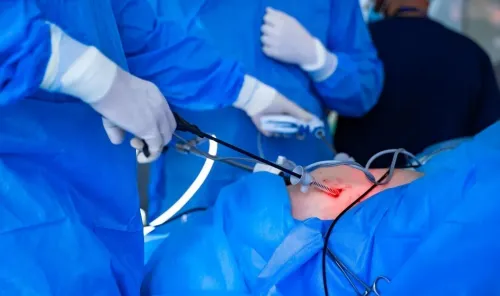
5. After laparoscopy, temporary shoulder-tip discomfort can result from residual carbon dioxide irritation. Severe abdominal pain, persistent vomiting, breathlessness, faintness or abdominal distension is not ordinary gas pain; contact the operating team or seek emergency care.
How should you manage wounds, constipation and toilet habits at home?
Before discharge, confirm the written Morvyat treatment aftercare plan rather than relying on general advice. Ask what operation was performed, then record the surgeon’s postoperative contact number for questions about the wound, bowel movements or drainage.
1. Ask how to clean the wound: plain water, or a prescribed solution. Confirm when to change the dressing, whether the wound must remain covered, and where to send a photograph or report unexpected drainage.
2. Clear or lightly blood-stained fluid can occur after some operations. Report increasing drainage, pus, foul odour, increasing redness, warmth, swelling, pain or wound separation to the operating team.
3. Take prescribed pain medicines as directed. Ask whether you need a stool softener or laxative, especially after opioid pain medicine, anaesthesia or reduced activity; do not increase doses without advice.
4. Drink the advised amount of fluid and ask when to increase fibre. Extra fibre can worsen discomfort or be unsuitable immediately after some bowel or anorectal operations.
5. Do not sit and strain on the toilet, and do not delay the urge to pass stool. Ask what to do if bowel movements remain painful or if no stool or gas passes.
6. Use a warm sitz bath only after the surgeon approves its temperature, duration and frequency. Keep a daily record of medicines, bowel movements, pain and drainage.
Which recovery symptoms require urgent contact or emergency care?
A difficult recovery should gradually become more manageable. Contact the operating team promptly when symptoms worsen, return after improving, or interfere with basic functions.
| Situation | What it may indicate | What to do |
|---|---|---|
| Improving soreness, mild swelling, or a small amount of clear or blood-tinged fluid | Expected healing after some operations | Follow the discharge plan and monitor the trend |
| Increasing redness, warmth, swelling or pain; pus, foul-smelling drainage or wound separation | Wound infection or another local complication | Call the surgeon’s postoperative contact number promptly |
| Persistent vomiting, abdominal swelling, worsening pain after initial improvement, inability to pass stool or gas, or urinary retention | Bowel, abdominal or urinary complication | Seek urgent surgical advice; do not wait for the next routine appointment |
| Heavy or recurrent bleeding, or bleeding with weakness or faintness | Significant blood loss | Seek emergency care, especially if bleeding is continuing |
| Sudden breathlessness, chest pain, coughing blood, a painful swollen calf or one-sided leg swelling | Possible deep-vein thrombosis or pulmonary embolism | Seek emergency assessment immediately |
Judge fever with its temperature trend, wound appearance, heart rate and general condition. Fever can occur without a wound infection, while a serious problem can occur without fever.
After laparoscopy, temporary shoulder-tip discomfort can result from carbon-dioxide irritation. Severe abdominal pain, persistent vomiting, breathlessness or distension is different. Do not increase painkillers without advice when pain is severe or out of proportion to the wound. Emergency services take priority for breathing, circulation or severe bleeding problems.
How should you choose the surgeon and plan the follow-up discussion in Ghatkopar?
“Best” is not a verifiable medical title. Searching for the best general surgeon for morvyat recovery problems in ghatkopar or the best general surgeon morvyat in ghatkopar should lead to checks, not popularity claims.
Ask these questions before booking:
- Is the surgeon registered with the relevant State Medical Council, and can you verify the registration number?
- How often do they treat your exact diagnosis and operation, including its complications?
- Who provides out-of-hours cover?
- Can the facility assess bleeding, infection, urinary retention and bowel complications?
Take your operative report, discharge papers, current medicine list and dated photographs of changing wounds. Ask when the first review occurs, whether a wound or rectal examination is needed, who will communicate pathology results, and the date you should expect that result.
ChirayuHealthcare Polyclinic&Diagnostics in Ghatkopar is one local option for surgical consultation and diagnostic follow-up; choose based on your confirmed operation and postoperative support.
| Option | Suits | Ask about |
|---|---|---|
| Medical management | Selected piles or constipation-related symptoms | Recurrence, medicines and activity limits |
| MIPH | Prolapsed haemorrhoids | Recurrence, anaesthesia, wound care and sitting restrictions |
| Laser treatment | Diagnosis confirmed as suitable for laser | Evidence, repeat treatment, pain and restrictions |
| Conventional haemorrhoidectomy | Larger or persistent haemorrhoids | More wound pain, dressing care, anaesthesia and recovery time |
| Suture rectopexy | Confirmed rectal prolapse | Recurrence, abdominal pain, anaesthesia and lifting limits |
Related product
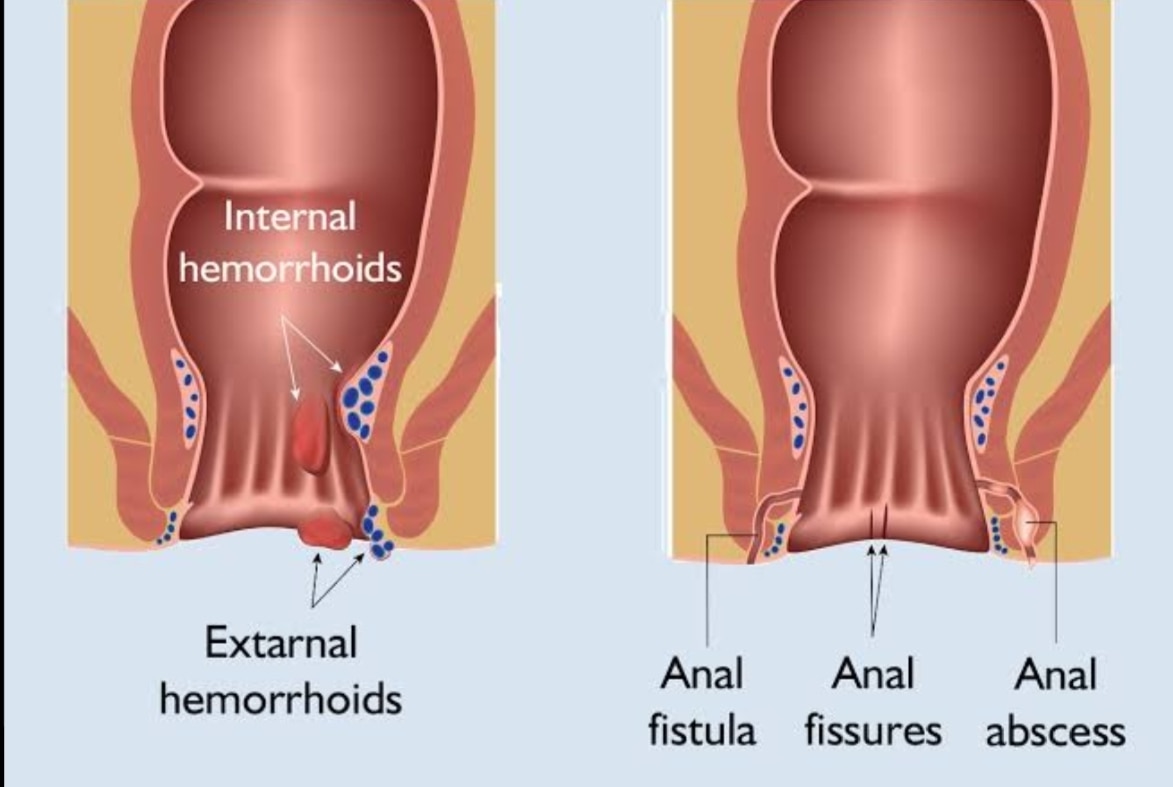 | Proctology Painless piles surgery, Miph, Suture Rectopexy, laser treatment of piles Piles one of the most common cause of Bleeding in motion area. All bleeding needs to be consulted by surgeon to rule out malignancy. View product → |
Frequently asked questions
What does “Morvyat” mean after surgery?
“Morvyat” is not a standard diagnosis or procedure name in mainstream surgical guidance. Ask the surgeon to write the exact diagnosis, procedure and treated body area before following aftercare advice.
How long does Morvyat surgery recovery take?
Recovery depends on the confirmed condition and operation. Ask for specific expectations for pain, bleeding, bowel movements, wound healing and return to work or exercise rather than relying on the term “Morvyat” alone.
How should you manage the wound and constipation at home?
Follow the surgeon’s dressing instructions, keep the area clean, drink adequate fluids if permitted, eat fibre when appropriate and avoid straining. Do not insert medicines or apply creams unless prescribed.
Which recovery symptoms need urgent medical attention?
Contact the surgeon urgently for increasing pain, fever, pus, spreading redness, repeated vomiting, inability to pass urine or worsening bleeding. Seek emergency care for heavy bleeding, fainting, breathing difficulty or severe weakness.
How should you choose a general surgeon in Ghatkopar?
Choose a surgeon who explains the exact diagnosis and operation, provides written aftercare and offers a clear follow-up route. Bring your discharge summary, prescriptions, reports, wound photographs and a timeline of symptoms to the appointment.