Pain, pressure, urgency and a small amount of blood can occur after MIPH, but recovery symptoms should gradually improve rather than intensify. You will learn how to judge bleeding, protect bowel movements, recognise emergencies and decide when to contact the operating surgeon or seek a piles doctor for recovery problems.
Key takeaways
- Mild pain and light bleeding can occur after MIPH surgery.
- Heavy bleeding, fever, dizziness, or worsening pain needs same-day medical care.
- Use prescribed medicines, fluids, fibre, and stool-softening measures as directed.
- Choose a piles doctor who examines the staple line and explains follow-up care.
What MIPH recovery should feel like from day one onward
MIPH usually means minimally invasive procedure for hemorrhoids, most commonly stapled hemorrhoidopexy. It removes a circular strip of prolapsing rectal mucosa and lifts internal hemorrhoidal tissue; it does not directly remove an external lump.
On day one, anal pressure, fullness, urgency or tenesmus, discomfort while sitting, and pain during bowel movements are common parts of recovery.
| Expected direction | What you may notice | What to do |
|---|---|---|
| Early recovery | Pressure, urgency, sitting discomfort, painful bowel movements, or light blood staining | Follow the discharge instructions and prescribed medicines |
| Following days | Discomfort and urgency gradually ease as the staple line heals | Continue the surgeon’s bowel-care plan |
| Concerning change | Worsening pain, swelling, urgency, or bleeding | Contact the operating surgeon for medical advice |
Stapled hemorrhoidopexy often causes less early pain than excisional hemorrhoidectomy, but “less pain” does not mean no pain, no recurrence, or treatment for every cause of anal pain and bleeding. Persistent symptoms can come from a fissure, infection, staple-line problem, or another condition.
Light blood staining can occur while the staple line heals. The key test is the trend: symptoms should ease over the following days, not progressively intensify. Questions about pain during miph recovery in ghatkopar deserve the same approach. Your discharge sheet and operating surgeon’s timeline take priority over general recovery ranges.
How to judge bleeding after MIPH surgery and what to do first
A small bright-red mark on toilet paper or one brief streak after a bowel movement can occur during healing after MIPH surgery. Repeated bright-red bleeding, blood dripping into the toilet, blood mixed through stool, or bleeding that continues is more concerning and needs clinical advice.
Dark-red blood or black, tarry stool is not routine MIPH spotting. It requires prompt assessment because the bleeding could come from a different level of the digestive tract. Do not dismiss new bleeding that starts several days after surgery; delayed bleeding can occur when the staple line separates or healing tissue is disturbed.
1. Stop exercise, lifting and other strenuous activity immediately. Sit or lie down, and do not strain during another bowel movement.
2. Note the time it began, the amount, colour and duration of blood, and whether clots are present. Record whether the bleeding followed a bowel movement or continued afterward.
3. Contact the operating surgical team rather than taking unapproved medicines or trying to treat the bleeding yourself. They need to know about aspirin, anticoagulants and other medicines.
4. Seek urgent emergency care for heavy or uncontrolled bleeding, faintness, dizziness, pallor, rapid heartbeat or shortness of breath. These signs can indicate important blood loss.
If you are searching for a piles doctor for pain and bleeding during MIPH recovery in Ghatkopar, provide the operation date, bleeding pattern and bowel-movement details during the call.
When pain or bleeding needs same-day care
Call the operating surgeon the same day if recovery is worsening rather than settling. Contact them for:
- Continuous or repeated bleeding
- Clots or blood saturating a dressing
- Increasing pain or worsening swelling
- Fever, chills or pus-like discharge
- Symptoms that are not improving on the timeline in your discharge instructions
Go to emergency care for uncontrolled bleeding, fainting, severe dizziness, pallor, rapid heartbeat, shortness of breath or confusion. These signs can indicate significant blood loss or another unstable complication, so emergency services take priority over waiting for a callback.
Inability to pass urine after anorectal surgery is urinary retention, not a symptom to wait out at home. Anaesthesia, pelvic swelling and opioid pain medicine can interfere with urination; contact the surgical team urgently, or seek emergency assessment if you cannot reach them.
Severe pain that escalates with fever or swelling can signal infection, thrombosis or another complication rather than ordinary healing. A piles doctor for MIPH recovery problems can assess the cause, but the operating surgeon is usually your first contact because they know the procedure and findings.
Do not let the clinic’s location lower the emergency threshold.
How to make bowel movements safer while the staple line heals
A safer bowel movement starts with soft stool and no pushing. Use this checklist while the staple line heals:
- Drink fluids according to your discharge instructions. Do not increase fluids without advice if you have severe abdominal pain, vomiting or suspected bowel obstruction.
- Eat fibre only if your surgeon permits it. Sudden fibre loading can worsen bloating when stool cannot pass.
- Take the prescribed stool-softening medicine exactly as directed. Do not invent a dose or add a laxative; contact the surgical team first if constipation develops.
- Do not strain, hold your breath or sit on the toilet for a long time. Keep both feet supported on a low footstool so your knees sit slightly higher than your hips.
- Contact the team about diarrhoea too. Frequent bowel movements and repeated wiping can irritate healing tissue and increase bleeding.
Take prescribed pain medicine on schedule and at the stated dose. Ask the surgeon before taking aspirin, ibuprofen, another anti-inflammatory medicine or any blood thinner; do not stop a prescribed anticoagulant without medical instruction.
Medication choice depends on your bleeding risk, kidney or stomach disease, allergies and other medicines. This matters for pain during miph recovery in ghatkopar as much as for constipation: a drug that suits one patient can increase bleeding or cause harm in another.
How to choose a piles doctor for MIPH recovery problems in Ghatkopar
A postoperative assessment must establish the operation date and technique, the original symptom, and whether it involved internal prolapse or an external lump. The doctor should also ask about bleeding amount and timing, bowel movements, aspirin or anticoagulants, fever, urinary symptoms, and previous procedures.
If you search “piles doctor pain and bleeding during MIPH recovery in Ghatkopar,” choose someone experienced in proctological and postoperative anorectal assessment.
Take these details and your discharge papers to the consultation:
- Persistent or recurrent bleeding is not automatically recurrent piles. Fissure, infection, staple-line bleeding, rectal ulceration, inflammatory bowel disease, polyps and other gastrointestinal causes can also bleed.
- Contact the original operating surgeon first when that surgeon is available; they know the technique and operative findings.
- For an additional local assessment, ChirayuHealthcare Polyclinic&Diagnostics can be mentioned as a nearby option for surgical and proctological evaluation.
| Route | Use it when | Do not delay |
|---|---|---|
| Original operating surgeon | Bleeding recurs, pain increases, or recovery is unclear | Contact them the same day for concerning symptoms |
| Local proctology assessment | You need another examination in Ghatkopar after trying to reach the surgical team | Bring the operative note, medicines and bleeding timeline |
| Emergency care | Bleeding is uncontrolled, you faint, have fever with worsening pain, or cannot pass urine | Go urgently; do not wait for a clinic appointment |
The clinic’s location never lowers the emergency threshold. A local assessment does not replace hospital care for instability, significant blood loss, infection concerns or urinary retention.
Related product
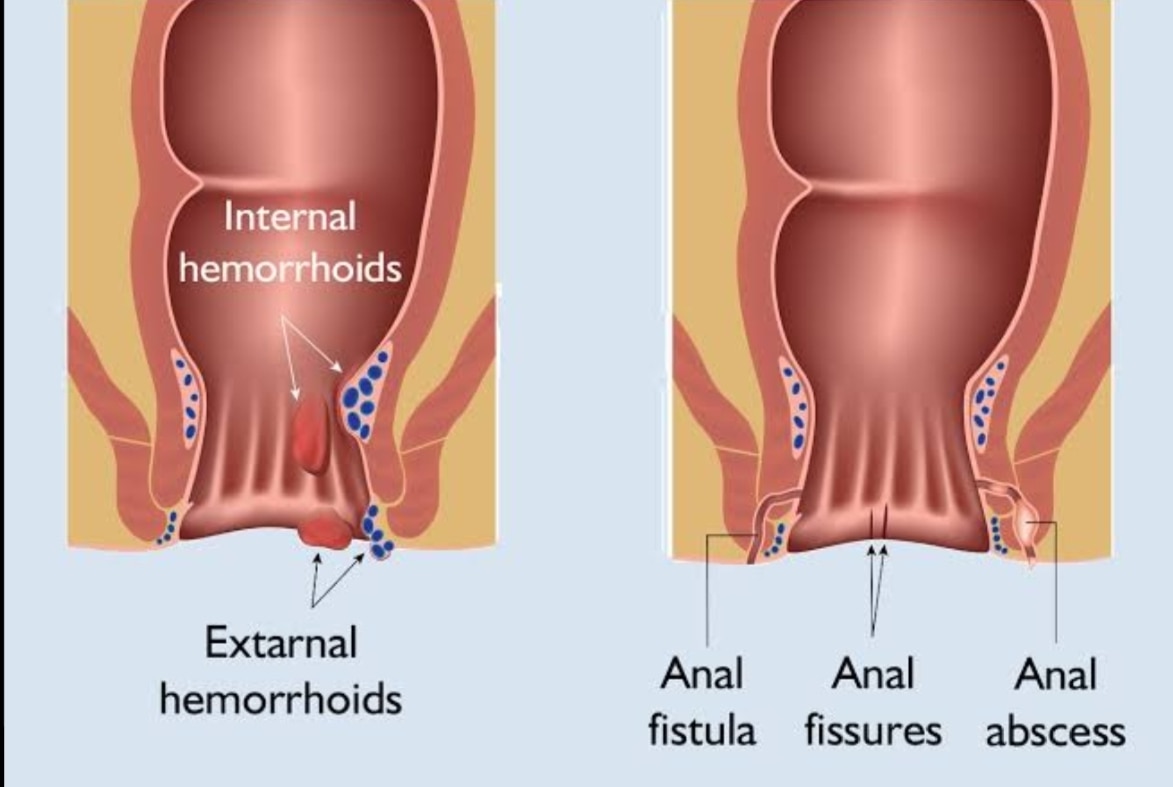 | Proctology Painless piles surgery, Miph, Suture Rectopexy, laser treatment of piles Piles one of the most common cause of Bleeding in motion area. All bleeding needs to be consulted by surgeon to rule out malignancy. View product → |
Frequently asked questions
What should MIPH recovery feel like from day one onward?
Expect discomfort, urgency, and small amounts of bleeding early on; symptoms should gradually improve rather than worsen.
When does bleeding after MIPH surgery need same-day care?
Seek same-day care for heavy or persistent bleeding, clots, dizziness, faintness, fever, or worsening pain.
How can you make bowel movements safer while the staple line heals?
Follow your surgeon’s bowel-movement plan, drink enough fluids, use prescribed stool softeners, avoid straining, and do not sit on the toilet for long periods.
How do you choose a piles doctor for MIPH recovery problems in Ghatkopar?
Choose a surgeon who reviews your operative details, examines the source of bleeding or pain, explains warning signs, and provides a clear follow-up plan.