Laser treatment is worthwhile when ultrasound confirms problematic superficial-vein reflux and your symptoms, skin changes, or complications justify closing that vein. By the end, you will know which findings support endovenous laser ablation, when another treatment is safer, and what to ask before booking a procedure.
Key takeaways
- Treat symptoms, activity limits, or skin changes—not visible veins alone.
- Confirm superficial venous reflux and the responsible vein on duplex ultrasound.
- Compare laser ablation with compression, sclerotherapy, phlebectomy, and surgical stripping.
- Choose a specialist who explains imaging, alternatives, risks, and follow-up care.
When do varicose veins justify laser treatment?
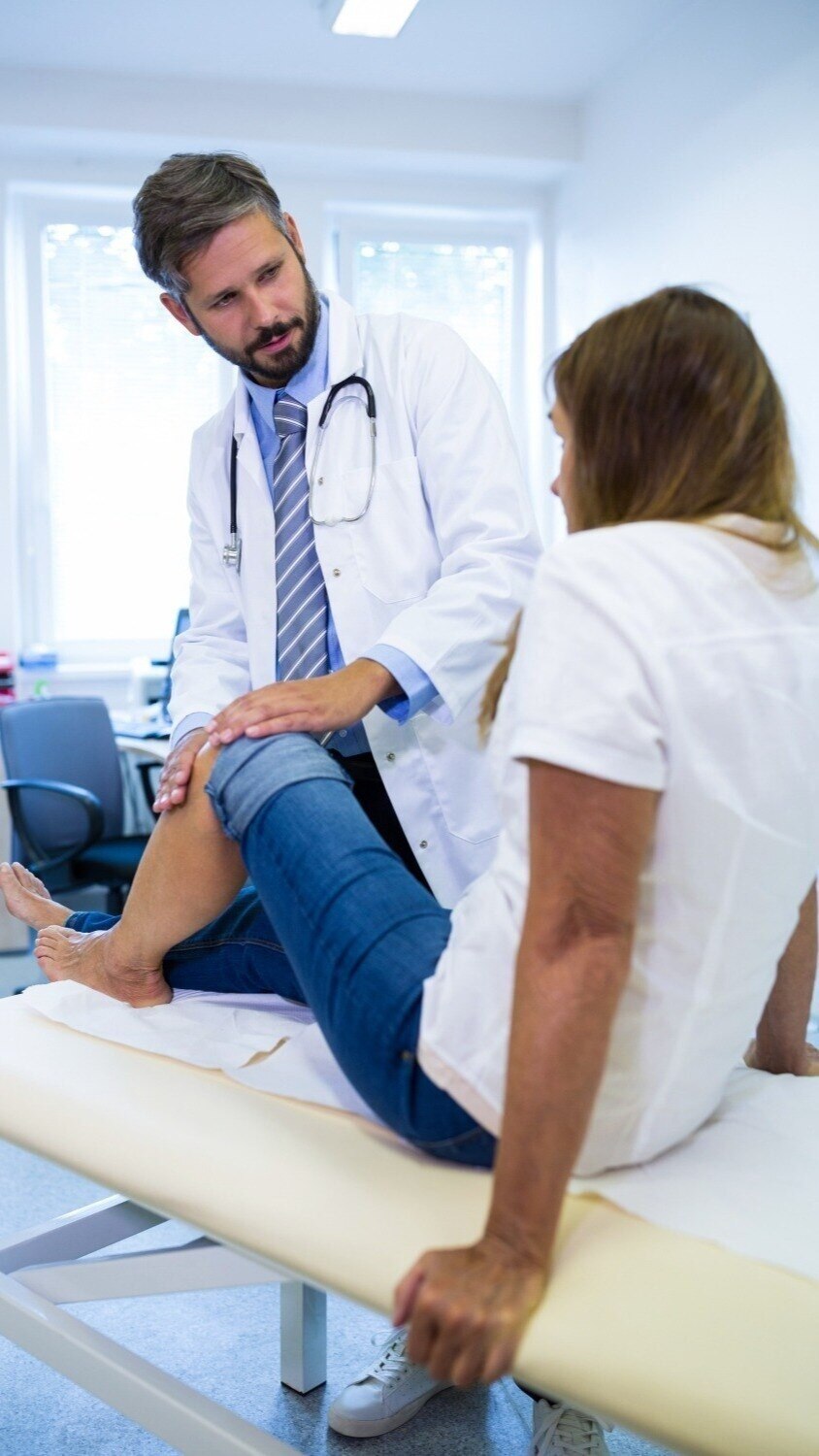
Laser treatment is worth discussing when varicose veins cause persistent symptoms, restrict work or daily activity, or produce skin complications—not simply because the veins are visible. The decision should follow a vascular duplex ultrasound showing superficial venous reflux and identifying the vein responsible.
- Aching, heaviness, throbbing, or itching
- Ankle swelling or night cramps
- Symptoms that worsen after standing and limit work, walking, or sleep
- Skin discolouration or eczema
- A venous ulcer, whether active or healed
- Bleeding from a varicose vein
- Superficial thrombophlebitis, including a hard, tender vein
Laser treatment for swollen veins is not automatically appropriate. Swelling can result from deep-vein thrombosis, lymphoedema, heart or kidney disease, medication, or another condition. New one-sided swelling with pain, warmth, or redness needs prompt assessment; breathlessness or chest pain requires emergency care.
A specialist review becomes more useful when symptoms persist despite walking, leg elevation, weight management, or clinician-advised compression. Treating confirmed reflux aims to relieve symptoms and prevent progression, while treating visible veins alone is primarily cosmetic. Ultrasound must also exclude acute thrombosis or deep-vein disease before a superficial vein is closed.
What does duplex ultrasound need to show before laser ablation?
A visible bulge cannot select laser treatment: it shows an enlarged vein, not why blood is pooling or whether closing that vein is safe. A vascular duplex ultrasound maps blood flow in the superficial and deep veins before endovenous laser ablation.
The scan should document:
1. Reflux in the superficial veins, including how long backward flow continues and which vein is responsible for symptoms.
2. The faulty truncal vein, such as the great saphenous vein or small saphenous vein, plus the connecting tributaries that may also require treatment.
3. The deep circulation, including obstruction, acute deep-vein thrombosis, and chronic deep venous disease.
These findings determine whether the target vein is technically suitable for laser ablation. They also show whether tributary veins need foam treatment or phlebectomy, or whether closing a superficial vein could worsen drainage because the deep system is obstructed or diseased.
Vein diameter alone does not decide the plan. A large-looking vein may be harmless, while a less obvious vein can produce significant reflux. The consultation must also distinguish ordinary superficial reflux from an ulcer, acute clot, or deep circulation problem.
Swelling with sudden one-sided pain, warmth, or redness needs prompt assessment rather than elective laser planning. Ask for the ultrasound report to name the refluxing vein and record the proposed treatment and follow-up.
How does laser compare with other varicose-vein treatments?
For confirmed truncal reflux, endovenous laser ablation, or EVLA/EVLT, is usually considered before other options when intervention is appropriate. A catheter delivers heat inside the incompetent vein and closes it; surface laser treats selected small spider or superficial veins and cannot replace treatment for an incompetent truncal vein.
| Option | What it treats | When it fits |
|---|---|---|
| EVLA or radiofrequency ablation | Refluxing truncal veins | First-line endothermal options when ultrasound confirms a suitable vein path and diameter |
| Ultrasound-guided foam sclerotherapy | Selected refluxing veins and tributaries | Use when endothermal treatment is unsuitable; foam may need repeat treatment |
| Adhesive closure | A suitable refluxing vein without thermal energy | An alternative when anatomy and clinical assessment support it |
| Ambulatory phlebectomy | Selected bulging surface tributaries | Removes prominent tributaries, often alongside treatment of the responsible truncal vein |
| Surface laser | Small spider or superficial veins | Cosmetic or limited surface treatment; it does not close truncal reflux |
| Compression | Aching and swelling | Symptom control when a procedure is unsuitable, during pregnancy, or while awaiting treatment; it is not definitive when intervention is suitable |
The usual sequence for confirmed truncal reflux is endothermal treatment first, foam when that is unsuitable, and surgery when neither endothermal treatment nor foam is suitable. A bulging vein alone does not select the treatment.
Defer or change the plan for deep-vein thrombosis, active skin infection, pregnancy-related symptoms, severe arterial disease, or an unsuitable vein path or diameter on duplex ultrasound. A vascular specialist should match the option to the ultrasound map.
What happens during and after endovenous laser ablation?
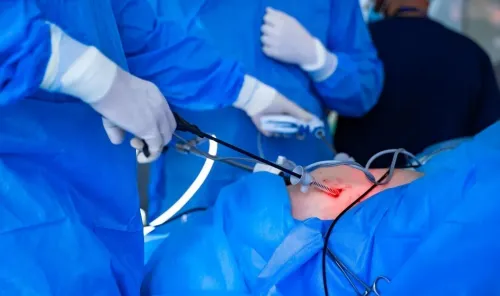
Endovenous laser ablation (EVLA) is usually a day-case procedure, not surgical stripping. After duplex ultrasound identifies the refluxing vein, the clinician numbs the skin and surrounds the vein with ultrasound-guided local tumescent anaesthesia.
A thin catheter enters the target vein through a small puncture. Controlled laser energy travels through the catheter, heating the vein wall until it closes. Blood then reroutes through healthier veins. The closed vein remains in place and gradually shrinks; it is not pulled out.
Bulging tributaries may need separate foam sclerotherapy or ambulatory phlebectomy, and visible veins do not necessarily disappear immediately.
Confirm these practical details before booking:
- Ask how long the appointment will take, including ultrasound, anaesthesia and observation.
- Confirm when you must walk, how far to walk, and when normal work or driving is allowed.
- Ask whether compression stockings or bandages are required, for how long, and what strength to use.
- Arrange transport if sedation is planned or driving is restricted.
- Ask whether the proposed plan needs general anaesthesia; EVLA often uses local anaesthesia, but do not assume a fixed protocol.
Bruising, tightness, tenderness and temporary numbness are common recovery issues. Discuss phlebitis, pigmentation, burns, infection, nerve irritation, deep-vein thrombosis and rare pulmonary embolism. Seek urgent help for sudden breathlessness or chest pain. Closure also does not prevent new refluxing veins, so recurrence remains possible.
How should you choose a varicose-vein specialist in Ghatkopar?
Choose a clinic that can prove why laser suits your anatomy, not one that sells laser as a package. A search for varicose vein treatment near me should lead to a duplex ultrasound, an appropriately trained vascular specialist, and a documented plan based on the refluxing vein.
Ask these questions before booking:
- Does the ultrasound map the great or small saphenous vein, measure reflux, and check for deep-vein obstruction or thrombosis?
- Which vein is causing the problem, and what will happen to the visible tributaries?
- If laser is unsuitable, would foam sclerotherapy, radiofrequency ablation, adhesive closure, ambulatory phlebectomy, or compression be better?
- Who will manage burns, nerve irritation, infection, deep-vein thrombosis, or sudden post-procedure swelling?
- When will follow-up ultrasound occur, and how will recurrence be assessed?
The options are not interchangeable.
| Option | Best fit | Limitation |
|---|---|---|
| Laser or radiofrequency | Confirmed truncal reflux suitable for endothermal treatment | Does not remove every tributary immediately |
| Foam sclerotherapy | Endothermal treatment is unsuitable | May need repeat treatment |
| Phlebectomy | Selected bulging tributary veins | Does not correct the main reflux alone |
| Compression | Symptom control or unsuitable intervention | Not definitive treatment for suitable truncal reflux |
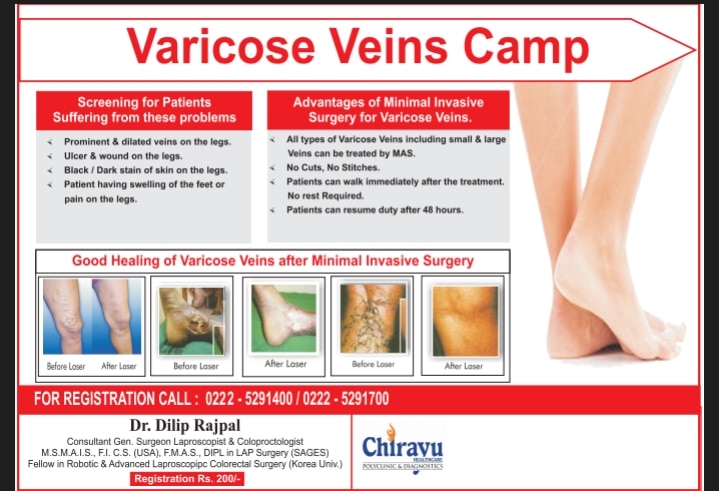
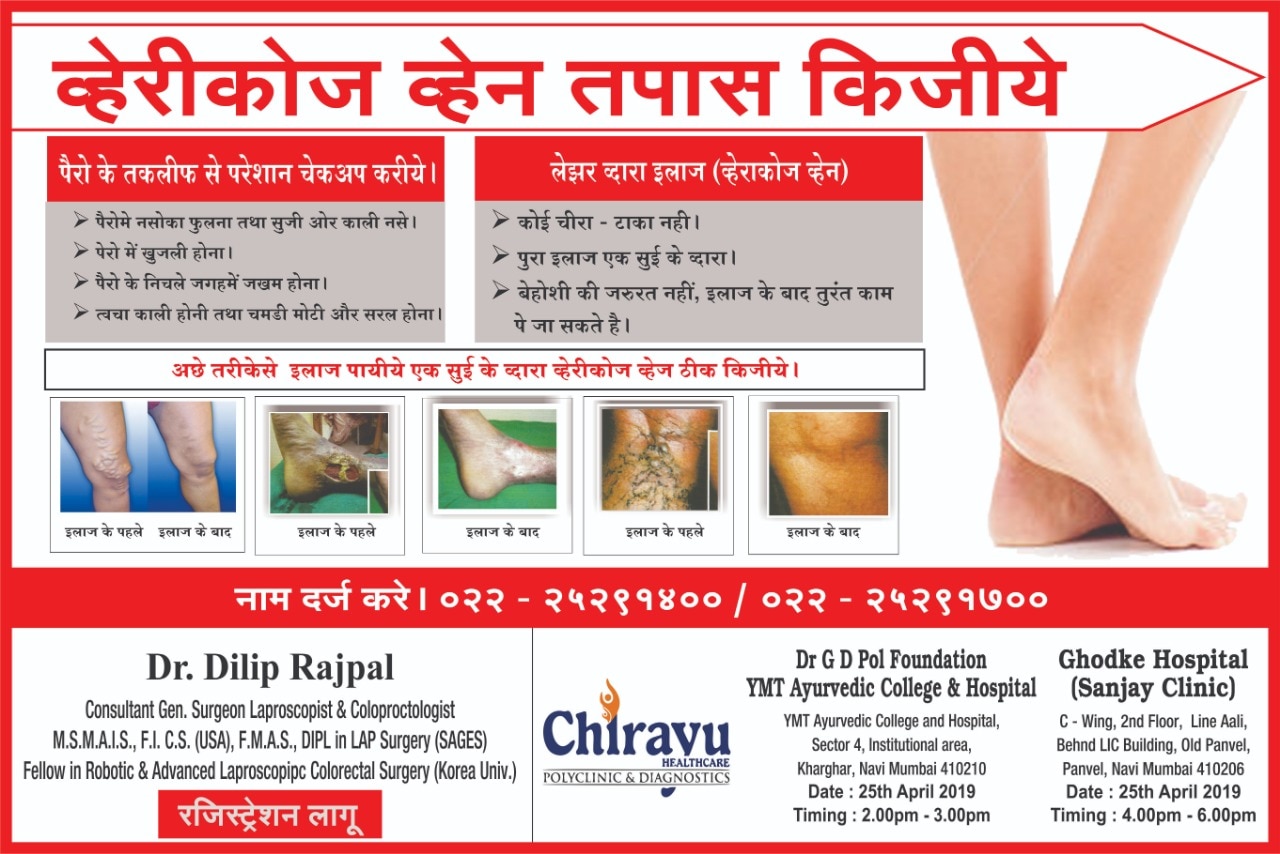
ChirayuHealthcare Polyclinic&Diagnostics in Ghatkopar can be considered if its clinician provides this ultrasound-led assessment and explains alternatives. The same checklist applies when comparing laser varicose vein surgery in Ghatkopar or choosing a varicose veins doctor in mumbai. A photograph or price alone is not an assessment.
Related products
 | Laser varicose veins surgery Laser varicose vein surgery is a procedure that uses heat from a laser to reduce varicose veins. View product → |
 | What are varicose veins? Varicose veins in legs An example of varicose veins in the leg. View product → |
Frequently asked questions
When do varicose veins justify laser treatment?
Laser treatment is worth discussing when varicose veins cause persistent pain, heaviness, swelling, activity limits, or skin complications. Visible veins alone do not establish a need for treatment.
What must duplex ultrasound show before laser ablation?
The scan should show superficial venous reflux and identify the vein responsible, such as the great saphenous or small saphenous vein. It also helps assess vein anatomy and plan treatment.
How does laser compare with other varicose-vein treatments?
Laser ablation closes the refluxing vein from inside. Compression can control symptoms without removing the cause, while sclerotherapy treats selected smaller veins, phlebectomy removes surface veins through tiny openings, and stripping is a more invasive surgical option.
What happens during and after endovenous laser ablation?
A clinician uses ultrasound guidance, local anaesthetic, and a laser fibre to close the targeted vein. You usually walk soon afterward, follow activity and compression instructions, and attend follow-up assessment.
How should you choose a varicose-vein specialist in Ghatkopar?
Choose a vascular or varicose-vein specialist who performs duplex ultrasound, explains alternatives and risks, identifies the treating vein, and provides clear aftercare and follow-up. A local option is ChirayuHealthcare Polyclinic&Diagnostics in Ghatkopar.