Leg swelling, aching, visible veins and skin changes do not all point to the same problem, and choosing laser treatment from appearance alone can lead you in the wrong direction. By the end, you will know which warning signs need urgent care, what duplex ultrasound establishes, and how laser ablation compares with foam, surgery, and compression management.
Key takeaways
- Seek urgent care for sudden one-sided swelling, warmth, severe pain or breathlessness.
- Duplex ultrasound maps faulty valves and confirms which veins need treatment.
- Laser and radiofrequency close the faulty vein; foam and phlebectomy treat selected veins.
- Choose treatment after comparing vein anatomy, recovery time, risks and follow-up needs.
Are your symptoms caused by varicose veins or something more urgent?
Visible, rope-like veins with aching, heaviness, itching or ankle swelling that worsens after standing and improves when you elevate your leg point towards superficial varicose veins. These symptoms usually develop gradually and affect the skin-level veins.
Chronic venous insufficiency is the broader problem behind persistent venous pressure. Look for swelling that does not fully settle overnight, brown or hardened skin around the ankle, eczema, or a slow-healing venous ulcer. A tender, red, firm cord along a surface vein suggests superficial thrombophlebitis and needs medical assessment.
A deep-vein thrombosis demands faster action. It often causes new swelling, warmth, redness and pain in one leg, sometimes without visible varicose veins. Seek urgent medical care for:
- Sudden one-sided leg swelling, warmth, redness or severe pain
- Chest pain, unexplained breathlessness, coughing blood or fainting
- Bleeding from a varicose vein
- A spreading red leg with fever, which can indicate cellulitis
Cold or pale feet, weak pulses or calf pain triggered by walking suggest an artery problem, not routine varicose veins. Numbness, back-related pain, joint disease and muscle injury can also mimic venous symptoms.
Do not choose treatment from appearance alone. A vascular clinician should examine pulses, swelling, skin and ulcers, then arrange duplex ultrasound to map reflux, vein anatomy and deep-vein flow. Search for a varicose vein specialist near me, but judge training and scanning arrangements rather than distance.
What happens during a vascular consultation and duplex ultrasound?
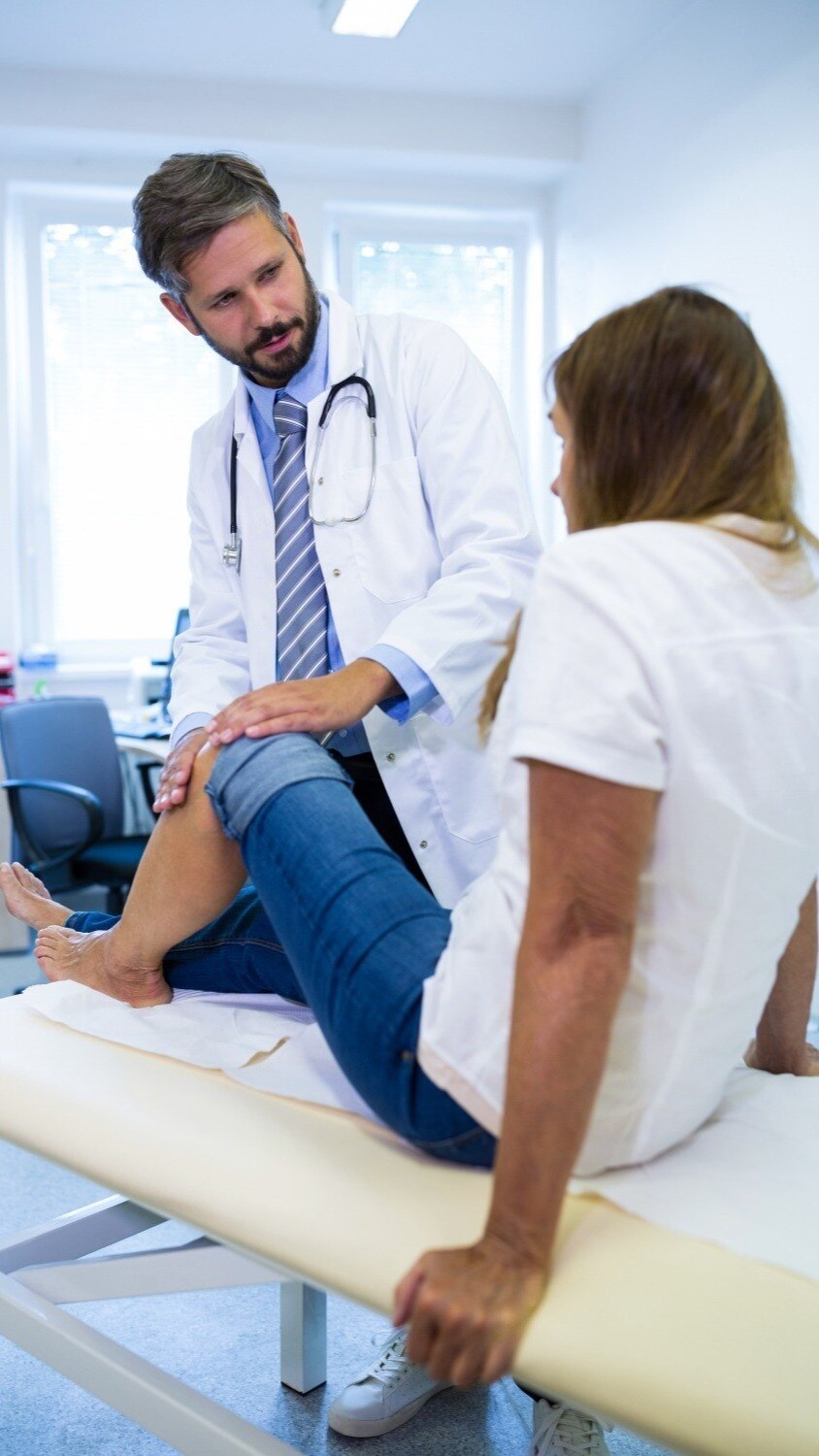
A vascular surgeon in Ghatkopar should take a focused history before discussing treatment. Expect questions about aching, heaviness, itching, swelling, cramps, skin changes, previous clots, ulcers, pregnancy, operations and earlier vein procedures.
The clinician examines both legs for visible veins, asymmetry, warmth, tenderness, skin discolouration, eczema, hardening, swelling and ulcers, then checks foot pulses and compares findings between sides.
- You stand while the clinician inspects how the veins fill and identifies the visible vein pattern.
- The clinician examines you lying down, feels tender or hardened areas, and checks for swelling and skin damage.
- Pulses, temperature and sensation help distinguish a venous problem from reduced arterial circulation or another leg condition.
- If treatment is being considered, ask which veins are responsible, whether reflux is present, and how the findings affect laser, radiofrequency, foam or surgery.
Duplex ultrasound is necessary before selecting a vein procedure; visual inspection cannot show the direction or speed of blood flow. The scan maps the great and small saphenous veins, tributaries and perforators, confirms reflux, measures vein anatomy and checks deep veins for obstruction or thrombosis.
It is especially important before endovenous laser ablation because an unsuitable vein path, diameter or deep-vein problem can make thermal treatment unsafe or ineffective. A scan performed while you stand or with pressure manoeuvres can reveal reflux that a lying-down examination misses.
How do laser, radiofrequency, foam, phlebectomy and surgery compare?
For confirmed truncal reflux, endothermal treatment—usually EVLA or radiofrequency ablation—usually comes before foam or open surgery. The best choice depends on the duplex map, vein diameter, tortuosity, tributaries and whether deep-vein disease is present.
| Option | Best fit and anaesthesia | Incisions, recovery and follow-up |
|---|---|---|
| Endovenous laser ablation (EVLA) | Straight, refluxing saphenous veins; local tumescent anaesthesia | One catheter puncture, no open incision; walking immediately and faster recovery than stripping; duplex follow-up confirms closure |
| Radiofrequency ablation | Similar truncal reflux, including suitable saphenous veins; local tumescent anaesthesia | Catheter puncture; usually little downtime; follow-up ultrasound checks closure and deep-vein flow |
| Ultrasound-guided foam sclerotherapy | Smaller veins, tributaries, residual veins, or when thermal treatment is unsuitable; usually no anaesthesia | Needle punctures, no incision; activity restrictions vary; repeat sessions and follow-up ultrasound are common |
| Ambulatory phlebectomy | Bulging surface tributaries that remain after treating the source vein; local anaesthesia | Several tiny punctures; bruising is common, with rapid mobility; review checks healing and remaining veins |
| Ligation and stripping surgery | Tortuous anatomy or veins unsuitable for catheter treatment; regional or general anaesthesia | Groin and leg incisions; more postoperative pain and slower return than ablation; wound review and ultrasound follow-up |
All treatments can leave residual or new varicose veins, so recurrence is possible. Ask how the clinician will manage untreated tributaries, when duplex review occurs, and what further treatment might be needed. These laser varicose vein treatment options form the core of a varicose vein surgery comparison, not a one-size-fits-all choice.
When is laser treatment suitable, and what recovery should you expect?
Laser is suitable when duplex ultrasound shows superficial truncal reflux and a catheter can safely reach the faulty vein. It is not chosen from appearance alone. Choose foam sclerotherapy, phlebectomy, or surgery when the vein is too tortuous, the reflux pattern is unsuitable for thermal closure, or another condition needs treatment.
Searching for varicose veins for specialist laser surgery in Ghatkopar identifies a service, not a diagnosis. At ChirayuHealthcare Polyclinic&Diagnostics, ask whether duplex mapping will confirm the target vein and whether the clinician has discussed alternatives.
Discuss bruising, tenderness, a pulling sensation, temporary numbness, skin irritation and superficial phlebitis. Uncommon complications include infection, skin burn, nerve injury, deep-vein thrombosis and pulmonary embolism.
- Walk soon after treatment as instructed; early movement reduces venous stasis.
- Follow individual advice about driving, work, lifting and strenuous exercise rather than assuming laser means a same-day routine.
- Keep dressings and puncture sites clean and dry; use compression only as directed, usually for no more than seven days when prescribed.
- Seek urgent help for sudden or worsening one-sided swelling, severe calf pain, chest pain or breathlessness. Contact the treating team for heavy bleeding, fever, spreading redness or worsening pain.
Recovery depends on the treated vein, anaesthesia and any additional phlebectomy or foam treatment. Your discharge instructions should give the exact return-to-work and exercise timetable.
What should guide your final treatment decision?
A scan result should decide whether laser is technically suitable, not whether it is the newest option. Duplex mapping should show superficial venous reflux, the faulty vein’s route and diameter, and whether deep-vein disease changes the plan.
If the scan does not explain your pain, swelling or skin changes, treating a visible vein may not solve the problem.
Match the treatment to your symptoms and goals. Significant aching, heaviness, swelling, skin damage or an ulcer strengthens the case for treating reflux; a mainly cosmetic concern requires a different risk-benefit discussion. Ask how recurrence could occur through untreated veins, new reflux or disease progression, and what follow-up or further treatment would involve.
Before consenting, ask the clinician:
- Why does my scan favour laser over radiofrequency ablation, foam treatment, phlebectomy or surgery?
- What complications, recovery restrictions and likelihood of further treatment apply to my vein pattern?
- How many procedures of this type do you perform, and who will manage a complication or recurrence?
A search for a varicose veins specialist near me or a vascular surgeon in Ghatkopar is a starting point, not proof of suitability. Choose a clinician with relevant vascular training who reviews your duplex findings, explains alternatives plainly and gives individual instructions for walking, work, driving and warning signs.
The best option is the one that fits the anatomy, symptoms and experience available—not the one attached to the search term.
Frequently asked questions
How can you tell varicose veins from something more urgent?
Gradual rope-like veins with aching, heaviness, itching or ankle swelling often fit varicose veins. Sudden one-sided swelling, warmth, severe pain, chest pain or breathlessness needs urgent medical assessment.
What happens during a vascular consultation and duplex ultrasound?
A vascular specialist examines your legs and reviews symptoms, previous clots, medicines and skin changes. Duplex ultrasound uses sound waves to map blood flow, identify refluxing veins and guide treatment planning.
How do laser treatment, radiofrequency, foam, phlebectomy and surgery differ?
Laser and radiofrequency close a faulty vein from inside using heat. Foam seals selected veins with an injected medicine, phlebectomy removes bulging surface veins through small punctures, and surgical ligation or stripping uses larger incisions.
What should guide your final varicose vein treatment decision?
Base the decision on duplex ultrasound findings, vein size and location, symptoms, skin changes, medical history, expected recovery, risks, cost and the specialist’s follow-up plan.