Treatment starts with deciding whether the visible vessels are suitable for cosmetic treatment or signs of a deeper vein problem. You will learn what the surgeon checks, how sclerotherapy or laser treatment is performed, what recovery involves, and when another specialist or urgent assessment is the safer choice.
Key takeaways
- Expect a medical history and vein examination before any injection or laser treatment.
- Sclerotherapy suits many small veins; laser treatment may suit selected surface vessels.
- Ask whether you need ultrasound assessment for symptoms suggesting deeper vein disease.
- Follow compression, walking, wound-care, and follow-up instructions after treatment.
What happens at a spider vein consultation?
A spider vein consultation starts with a medical history and examination, not an injection. The clinician will ask what you want changed and whether you have pain, aching, itching, swelling, cramps, skin changes, bleeding or previous clots.
1. Describe every previous vein treatment, including injections, laser procedures, surgery and the result. Tell the clinician about pregnancy, breastfeeding, planned pregnancy and any condition that limits walking or causes prolonged immobility.
2. Explain every medicine and supplement you take, especially warfarin, apixaban, rivaroxaban, aspirin and other blood thinners. Report bleeding or clotting disorders, current or recent venous thrombosis, and medicines that affect bleeding.
3. Expect both legs to be examined while you are standing. The clinician should inspect the skin for swelling, ulcers, bleeding, colour changes, infection and tenderness, then assess whether the visible vessels suggest a deeper vein problem.
4. Treatment can be delayed by pregnancy or breastfeeding, active skin infection, significant immobility, current or recent venous thrombosis, or an allergy to the proposed sclerosant. Ask what evaluation is needed before proceeding.
5. Clarify whether your goal is cosmetic improvement or relief from symptoms. Ask what result is realistic, how long fading may take, and whether photographs or vein mapping will provide a comparison at follow-up. A careful consultation should explain alternatives instead of promising permanent removal.
Is a general surgeon the right specialist for your veins?
A general surgeon can be appropriate for uncomplicated spider veins when the clinician has current training in venous disease, sclerosants and vascular complications. The job title alone is not enough.
Fine telangiectasias and reticular veins are different from bulging, rope-like varicose veins. A tender, red, firm vein may indicate superficial thrombophlebitis, while a rash, pigmentation pattern or lesion may be a skin condition rather than a vein problem.
Before booking, ask:
- How will you check for venous reflux, and will you examine both legs while standing?
- Where can I obtain a duplex ultrasound if my symptoms or examination require one?
- Do you treat larger varicose veins, or refer those cases to a vascular surgeon?
- What findings would make you refer me to a dermatologist?
Ultrasound is not automatically needed for a small, purely cosmetic cluster. It becomes important with pain, swelling, recurrent or atypical veins, larger vessels, skin changes, previous clots, or findings that suggest superficial, perforator or deep-vein disease. Treating visible veins without identifying reflux can leave the underlying problem untreated.
Choose a vascular surgeon when reflux, large varicose veins, thrombosis or complex recurrence needs assessment. Choose a dermatologist when a skin diagnosis is possible or surface laser expertise is central. Sudden one-sided painful swelling, chest pain, breathlessness or coughing blood needs urgent medical assessment, not a cosmetic appointment.
ChirayuHealthcare Polyclinic&Diagnostics in Ghatkopar can be a local starting point if the clinician confirms the examination, imaging access and referral pathway suited to your case.
Related items
Spider Vein Spider Veins can cause severe morbidity from Cosmesis to pain & bleeding View service → |
 | What are varicose veins? Varicose veins in legs An example of varicose veins in the leg. View product → |
How is sclerotherapy or laser treatment selected?
The choice depends on the vessels, your medical history and whether reflux is feeding them. Sclerotherapy is a standard option for many uncomplicated spider and reticular veins: a clinician injects a sclerosant, which irritates and closes the selected vessel while blood reroutes through healthier veins.
Surface laser or intense pulsed light delivers heat through the skin without putting a needle into the vein.
| Option | What it involves | When it fits | Important limitation |
|---|---|---|---|
| Sclerotherapy | Small injections of sclerosant into selected vessels | Many visible spider or reticular veins | Not suitable for every patient; allergies, clotting risks and other conditions matter |
| Surface laser or intense pulsed light | Controlled heat applied through the skin | Very fine or difficult-to-inject veins | May need several sessions and is not automatically gentler or more effective |
| Venous reflux treatment | Treating an underlying faulty vein or valve | Recurrent veins, larger vessels or signs of reflux | Closing surface veins first can lead to persistence or recurrence |
Your clinician should match the method to vein colour, diameter, number, location, skin tone and previous treatment. Pregnancy or breastfeeding, medicines, clotting history and allergies also affect the decision.
Ask which drug or device will be used, how many areas the spider vein treatment process will cover, why it suits your vein and skin pattern, and what alternatives involve. Ask whether duplex assessment is needed before treating visible vessels.
What are the actual spider vein procedure steps?
1. The clinician confirms which vessels will be treated, explains expected results, risks and alternatives, and obtains your consent. Ask questions before signing, including why sclerotherapy or laser fits your veins.
2. While you stand, the clinician may photograph the area or mark each vessel. Standing makes the veins easier to identify and creates a useful record for later comparison.
3. The skin is cleansed. For sclerotherapy, a fine needle places small amounts of sclerosant into selected vessels while the clinician watches how each vein responds. Multiple injections can be completed during one session.
4. Routine sclerotherapy does not use general anaesthesia. You may feel brief stinging, burning or cramping at the injection sites.
5. For laser treatment, the clinician protects your skin and applies controlled pulses over the marked vessels. The pulses deliver heat through the skin, so you may feel warmth or snapping sensations. Local anaesthesia is not always necessary; ask whether it suits the treatment area and device.
6. The clinician applies pressure, a dressing or a compression garment when indicated. You receive specific instructions about walking, bathing, exercise and medicines before leaving.
7. Treatment is usually outpatient, so you return home the same day. Arrange a review or contact number before you leave, especially if several areas were treated or you received instructions that need clarification.
What should you expect after treatment?
Recovery is usually active rather than bed-bound. Walk after treatment if your clinician permits, but follow individual instructions about prolonged sitting or standing and strenuous exercise.
1. Expect short-term changes in treated areas. Bruising, redness, itching, stinging, cramping, small lumps or trapped blood can occur after sclerotherapy. Contact the clinic if symptoms persist or worsen. Seek urgent care for chest pain, breathlessness, coughing blood or one-sided painful leg swelling.
2. Compression may be advised after sclerotherapy, but the garment and wearing period vary. Compression is not a guaranteed cosmetic improvement. Ask when to remove it, how to wash the skin and which activities to avoid.
3. Results develop gradually. Treated veins fade over weeks to months rather than disappearing immediately, and treatment is often staged. The number of sessions depends on vessel number, size, colour, distribution, treatment method and underlying venous reflux. Brown pigmentation, matting, allergic reaction, infection, ulceration and blood clots are recognised complications.
A successful result does not prevent new vessels permanently. Hormones, pregnancy, ageing, sun exposure, family tendency and venous insufficiency can contribute to new spider veins. Your spider vein treatment clinic should schedule follow-up and explain the expected change before you book another session.
Frequently asked questions
What happens at a spider vein consultation?
The clinician reviews your medical history and symptoms, examines your veins, discusses your goals, and decides whether further testing is needed before treatment.
Is a general surgeon the right specialist for spider veins?
A general surgeon experienced in vein procedures can assess and treat selected spider veins. Symptoms such as swelling, skin changes, bleeding, or previous clots may require referral to a vascular specialist and ultrasound assessment.
How is sclerotherapy or laser treatment selected?
The choice depends on vein size, colour, depth, location, symptoms, skin characteristics, medical history, and the clinician’s examination. Some patients need treatment for underlying veins first.
What are the actual spider vein procedure steps?
The clinician cleans and marks the skin, then either injects a sclerosant into targeted veins or directs laser energy at them. The area is checked, dressed if needed, and aftercare instructions are provided.
What should you expect after spider vein treatment?
You may have temporary redness, bruising, itching, or tenderness. Follow walking and compression instructions, protect treated skin, attend follow-up, and report severe pain, increasing swelling, breathing difficulty, or skin breakdown promptly.
Related product
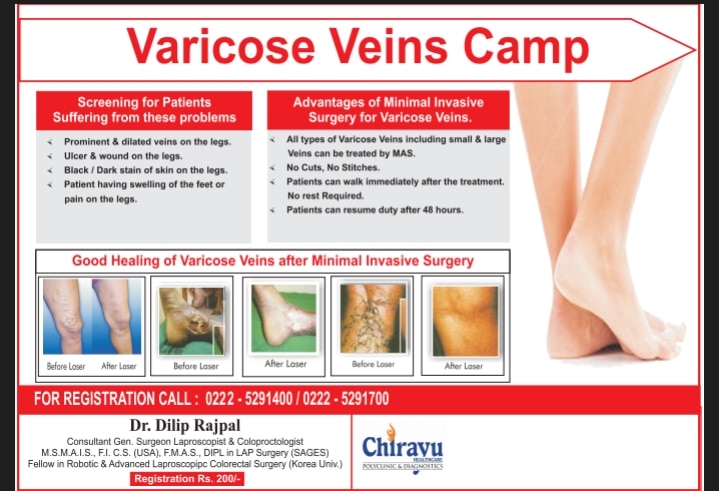 | Laser varicose veins surgery Laser varicose vein surgery is a procedure that uses heat from a laser to reduce varicose veins. View product → |