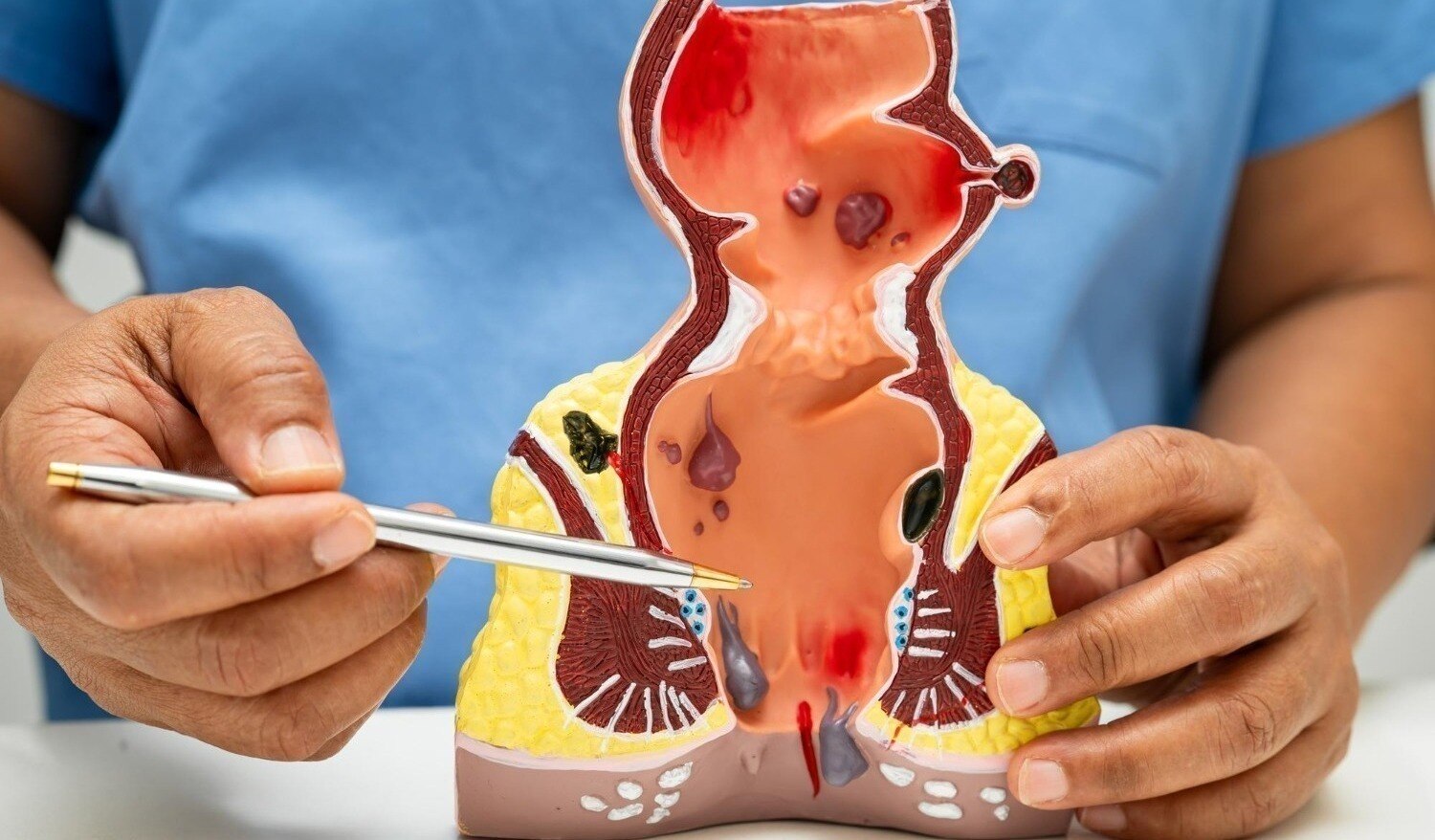
Sharp tearing pain, bright-red bleeding and repeated constipation do not prove that you need laser treatment: piles, fistula and anal fissure require different care. You will learn how a fissure specialist confirms the diagnosis, when non-operative treatment is appropriate, what “laser surgery” can mean, and how to compare a nearby clinic with established procedures and safety standards.
Key takeaways
- Confirm whether symptoms indicate an acute fissure, chronic fissure, piles or fistula.
- Treat constipation and hard stools before considering a fissure procedure.
- Ask how laser treatment compares with lateral internal sphincterotomy for your case.
- Choose Ghatkopar care with diagnosis, follow-up and emergency advice included.
Is the pain from an acute fissure, chronic fissure, piles or fistula?
An anal fissure is a tear in the lining of the anus, usually causing sharp, tearing pain during or after a bowel movement. An acute fissure is recent and can improve when hard stools, constipation and straining are corrected.
A chronic fissure persists or returns, often because internal anal-sphincter spasm reduces blood flow and prevents healing.
| Type | Typical pattern | Clues |
|---|---|---|
| Acute fissure | Recent tear that may heal with stool correction | Pain and bright-red blood after passing a hard stool |
| Chronic fissure | Persistent or recurrent tear with sphincter spasm and reduced blood flow | Pain between bowel movements, a visible sentinel skin tag, or repeated constipation-related recurrence |
| Piles | Swollen haemorrhoidal cushions, not a tear | Bleeding, itching or a lump; pain is not usually sharp and tearing |
| Fistula | An abnormal tunnel from the anal canal to the skin | Persistent discharge, an external opening or recurrent abscess |
Book a fissure specialist if you have:
- Sharp tearing pain during or after bowel movements
- Bright-red blood on toilet paper
- Recurring symptoms whenever constipation returns
- A visible sentinel skin tag at the anal edge
- Pain that continues between bowel movements
A laser piles surgeon is not automatically the right clinician when the diagnosis is fissure. Piles and fissures require different assessments, and a fistula needs evaluation for infection and its internal tract rather than treatment aimed only at the painful tear.
How a fissure specialist confirms the diagnosis and spots danger signs
A fissure specialist usually confirms the diagnosis clinically, then checks whether the pattern suggests another disease.
1. Take a medical history covering how long symptoms have lasted, bowel frequency and stool consistency, straining, bleeding, continence, childbirth-related injury, previous anal surgery and inflammatory bowel disease.
2. Inspect the anal area for the tear, its position, a sentinel skin tag, swelling, discharge or a mass. A lateral or multiple fissure is atypical and needs closer evaluation.
3. Perform a digital rectal examination only when pain allows. Forcing it through severe spasm can increase pain and produce little useful information.
4. Use anoscopy or another investigation when bleeding persists, a mass is present, or you report weight loss, fever or an altered bowel habit. Further testing is also appropriate for an unusually large, recurrent or treatment-resistant fissure, or when Crohn’s disease, infection or malignancy is possible.
Do not book routine laser treatment for heavy bleeding, black stools, dizziness, fever, pus, a rapidly enlarging swelling or severe continuous pain. These symptoms need urgent medical assessment because they can indicate significant bleeding, infection, an abscess or another condition requiring prompt treatment.
A typical-looking fissure does not rule out a serious cause when warning signs continue.
What treatment should come before a fissure procedure?
For many acute fissures, and selected chronic fissures, treatment starts without a procedure. The aim is to produce soft, easy-to-pass stools and reduce internal anal-sphincter spasm so the tear can heal. A fissure specialist may adjust this plan after examining you.
1. Increase dietary fibre through foods such as vegetables, fruit, pulses and whole grains, or use a fibre supplement if advised.
2. Drink adequate fluids throughout the day, unless another medical condition limits your intake.
3. Use a prescribed stool-softening treatment when fibre and fluids do not prevent hard stools.
4. Avoid straining and take warm sitz baths to ease sphincter spasm and pain.
Topical medicines are options when symptoms continue:
| Treatment | Main role | Key trade-off |
|---|---|---|
| Glyceryl trinitrate | Relaxes the internal sphincter | Can cause headaches |
| Diltiazem or another topical calcium-channel blocker | Relaxes the internal sphincter | Comparable effectiveness with fewer adverse effects when appropriate |
| Botulinum toxin injection | Temporarily relaxes the sphincter | Selected chronic fissures; effects are temporary |
A procedure becomes reasonable when symptoms persist despite a properly followed medical plan, or when the fissure is chronic or recurrent. It may also be needed for a sentinel pile, a hypertrophied anal papilla, or another finding that requires procedural treatment. The examination—not a laser label alone—should determine the next step.
What does laser fissure surgery involve, and how does it compare with established operations?
“Laser fissure surgery” is not one operation. Ask the fissure specialist to name the technique: fissurectomy, laser ablation, removal of a sentinel pile or hypertrophied anal papilla, sphincter treatment, or a combination. A laser piles surgeon is not automatically trained to choose the right fissure procedure.
| Option | What it involves | Main trade-off |
|---|---|---|
| Laser treatment | Ablation or limited removal, with sphincter treatment only if specified | Laser does not guarantee faster healing or remove anaesthetic, bleeding, infection or recurrence risks |
| Conventional fissurectomy | Removes unhealthy fissure tissue, without necessarily reducing internal-sphincter pressure | The pressure-related cause can remain |
| Lateral internal sphincterotomy | Divides part of the internal sphincter to lower resting pressure | The established operation for chronic fissure, with reported healing generally above 90% in selected patients, but possible continence impairment |
Before consenting, ask:
- How much tissue will be cut, and will the muscle be divided?
- What are the expected recurrence rate, wound-care steps, healing time, anaesthesia plan, postoperative discomfort, and infection or bleeding risks?
- What comparative healing evidence supports this laser technique, and what is the rescue plan if it fails?
A sphincter-dividing operation requires assessment of gas control, seepage, stool control, prior obstetric injury, previous anal surgery and inflammatory bowel disease. Ask whether a tailored or limited sphincterotomy, or a sphincter-sparing advancement flap, is safer for you.
How should you choose nearby fissure surgery in Ghatkopar?
Choose fissure surgery in Ghatkopar by checking the clinician, procedure and follow-up—not by distance or a laser label alone. Confirm colorectal or proctological training, then request the written diagnosis and the exact named technique.
- Ask whether examination, surgery and postoperative review happen at the same centre.
- Confirm who provides anaesthesia, where it is administered and what monitoring is available.
- Establish who handles urgent bleeding, fever, pus, swelling or uncontrolled pain after discharge.
- Ask for continence-risk assessment, recurrence evidence and the rescue plan if treatment fails.
| Option | What to compare | Question to ask |
|---|---|---|
| Laser-labelled treatment | Fissurectomy, laser ablation, sentinel-pile removal, papilla removal or sphincter treatment | What tissue or muscle will be cut, treated or left intact? |
| Lateral internal sphincterotomy | Established operation that divides part of the internal sphincter | How will gas, seepage and stool-control risks be assessed? |
| Sphincter-sparing treatment | Fissurectomy or advancement-flap approach without routine muscle division | Why is this suitable for my continence risk and recurrence pattern? |
Proximity helps because care can require pre-operative assessment, wound and bowel-movement guidance, and review. ChirayuHealthcare Polyclinic&Diagnostics is one nearby Ghatkopar option for surgical consultation and follow-up, but location does not prove superiority.
Before leaving, obtain written instructions for fibre, fluids, stool softeners, analgesia, bathing, activity and warning signs. Treat “scarless,” “painless” and immediate return to work as claims requiring patient-specific evidence.
Frequently asked questions
How can you tell whether pain comes from an anal fissure, piles or fistula?
A fissure usually causes sharp, tearing pain during or after a bowel movement. Piles more often cause bleeding, itching or a lump, while a fistula can cause persistent discharge, swelling or a recurrent abscess. A fissure specialist must examine you to confirm the cause.
What does a fissure specialist check before recommending surgery?
The specialist reviews pain duration, bleeding, constipation and previous treatment, then examines the anal area. They also look for chronic fissure features, infection, abscess, unusual ulceration and other danger signs that need further assessment.
What treatment should come before fissure surgery?
Treatment usually starts with softer stools, adequate fluids, fibre, avoiding straining and prescribed medicines that relax the anal sphincter or relieve pain. Persistent symptoms require review before moving to a procedure.
What are the benefits and limits of laser fissure surgery?
Laser treatment uses focused energy through a small operative approach and may involve less tissue disruption and a shorter recovery for selected patients. Ask the surgeon how its results, recurrence risk, pain control and continence risks compare with established operations such as lateral internal sphincterotomy.
How should you choose fissure surgery in Ghatkopar?
Choose a centre that confirms the diagnosis, explains non-surgical options, identifies warning signs, discusses laser and established operations, and provides clear follow-up and emergency instructions. Nearby access also helps with review visits and prompt attention to complications.