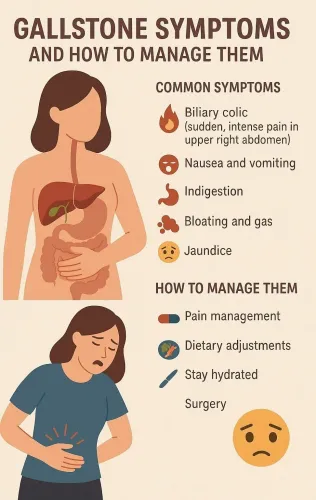
The right procedure depends on whether the problem is internal, external or mixed, how far the tissue prolapses, and whether bleeding has another cause. By the end, you will know what examination a general surgeon should perform, where MIPH fits, which alternatives to compare, and what to ask before consenting to treatment.
Key takeaways
- Confirm bleeding is caused by haemorrhoids before choosing surgery.
- MIPH suits internal prolapse but not every grade or external pile.
- Compare pain, recurrence, anaesthesia and recovery—not “painless” claims alone.
- Ask how often the surgeon performs each procedure and why they recommend it.
What should a general surgeon check before recommending surgery?
Before recommending surgery, a general surgeon must confirm that bleeding and prolapse are caused by haemorrhoids, not another condition. The history should cover bleeding amount and pattern, bowel habits, constipation, straining, pain, prolapse, anaemia symptoms such as fatigue or breathlessness, weight loss, altered bowel habits, and family history of colorectal cancer.
Persistent unexplained bleeding needs further evaluation.
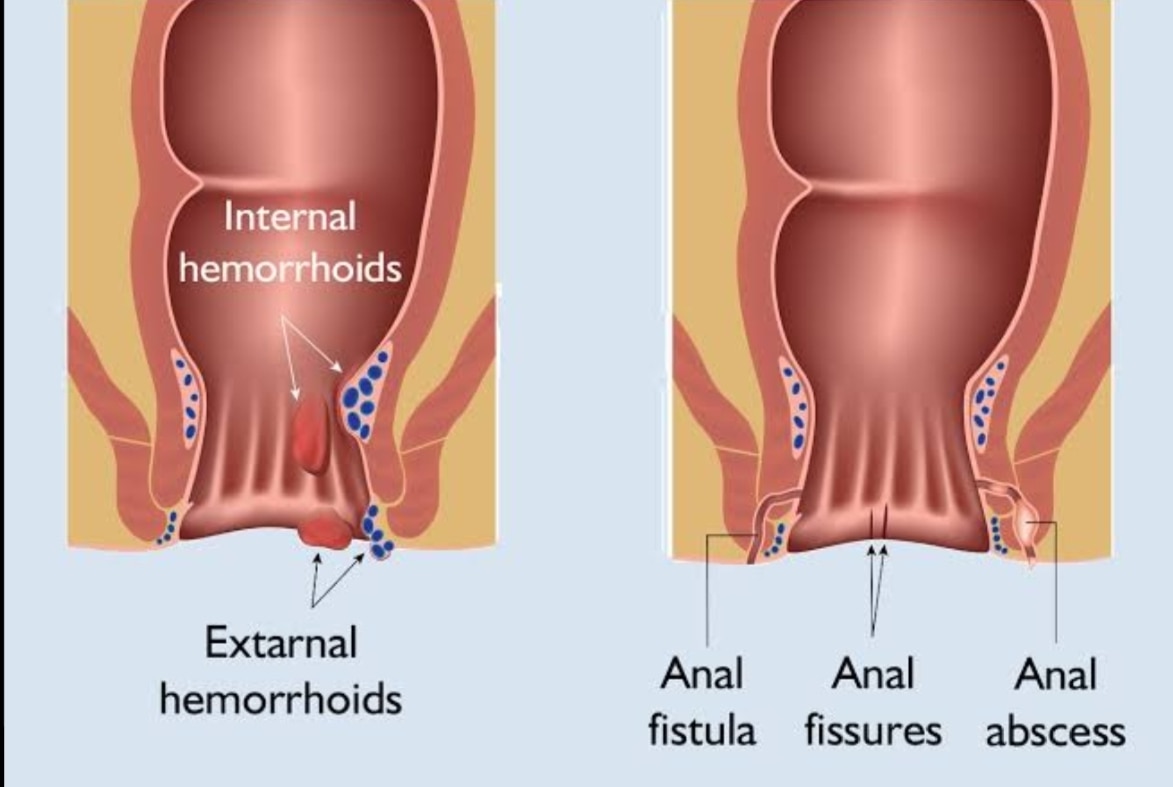
1. Inspect the anus for external haemorrhoids, a fissure, fistula opening, thrombosed bluish lump, skin changes or rectal prolapse. A digital rectal examination can detect tenderness, masses, narrowing and blood; anoscopy or proctoscopy shows internal haemorrhoids, their location, bleeding and prolapse.
2. Grade the internal haemorrhoids: Grade 1 remains inside; Grade 2 prolapses during bowel movements but returns spontaneously; Grade 3 requires manual replacement; Grade 4 remains prolapsed and cannot be pushed back.
3. Compare the grade and symptoms with treatment already tried. Fibre, adequate fluids, constipation treatment, avoiding straining and limiting toilet sitting come first; persistent bleeding, anaemia, pain, recurrent prolapse or failed measures strengthen the case for a procedure.
4. Do not label every lump “piles.” A fissure causes sharp tearing pain, a fistula may discharge, a thrombosed external haemorrhoid causes sudden severe pain, and rectal prolapse involves rectal wall. Seek prompt care for heavy bleeding, dizziness, black stools, fever, spreading redness or inability to pass urine.
These checks matter whether you search for a general surgeon piles in Ghatkopar or elsewhere.
What does MIPH treat, and when is it the wrong operation?
MIPH is designed for prolapsing internal haemorrhoids, not every lump called piles. MIPH, or stapled haemorrhoidopexy, uses a circular stapler to remove a ring of mucosa above the haemorrhoids and lift the prolapsing internal tissue.
It is most relevant to selected Grade 2 and Grade 3 cases, where tissue comes out during or after defecation. Grade 2 tissue returns by itself; Grade 3 needs manual replacement. The stapler does not remove external haemorrhoidal cushions, so an external lump can remain after surgery.
Ask these questions before choosing among MIPH surgery options:
- Are the haemorrhoids internal, external or mixed?
- What grade of prolapse is present?
- Will an external lump remain after stapling?
- If MIPH is unsuitable, which operation will treat the actual disease?
Stapling can be unsuitable or incomplete when the main problem lies outside the rectum:
- A large external component or mixed internal-external disease can remain untreated.
- A thrombosed external haemorrhoid needs assessment as a painful external lump, not routine stapling.
- An anal fissure causes a tear that MIPH will not repair.
- An anal fistula needs treatment of its abnormal tract.
- Rectal prolapse is different from haemorrhoidal prolapse and requires a separate plan.
If external or mixed disease is substantial, the surgeon may discuss excisional haemorrhoidectomy or another operation instead.
How do MIPH, laser treatment and other piles procedures compare?
Medicines, fibre, adequate fluids, avoiding straining and limiting toilet sitting come first when symptoms are mild. Treating constipation can reduce bleeding and recurrence, but persistent prolapse or bleeding after these measures may justify a procedure.
| Option | Tissue or approach | Best fit and limitation |
|---|---|---|
| Medicines and bowel measures | Soften stool and reduce straining | Mild symptoms; do not remove prolapsing tissue |
| Rubber-band ligation | Cuts blood flow to internal haemorrhoids | Usually office treatment for Grade 1–2 and selected Grade 3; several sessions may be needed, with delayed bleeding, recurrence or pain if placed too low |
| Laser treatment | Shrinks or coagulates haemorrhoidal tissue | Less excisional; results depend on prolapse severity and further treatment may be needed |
| Doppler-guided artery ligation | Ties haemorrhoidal arteries; mucopexy lifts prolapse | Less excisional; recurrence rises with more advanced prolapse |
| MIPH | Removes a mucosal ring and lifts internal tissue | Selected prolapsing internal disease; does not treat external cushions |
| Excisional haemorrhoidectomy | Removes haemorrhoidal tissue | Large Grade 3 or Grade 4 prolapse, substantial external or mixed disease, or recurrence after less invasive treatment |
Suture rectopexy lifts prolapsing tissue with stitches, but it is not a universal treatment for external disease. The tissue being treated matters as much as the grade: MIPH, laser treatment and artery ligation suit internal prolapse better than a large external component.
Conventional excision is more definitive for advanced or mixed disease, though recovery is usually more painful. A general surgeon can match the procedure to the prolapse, external component and previous treatment rather than choosing by the label “laser” or “painless.”
What do pain, recurrence and recovery look like after each choice?
A search for painless piles surgery in ghatkopar should not be read as a promise of zero pain. “Painless” describes a pain-minimising technique or recovery plan; anaesthesia, discomfort, wound care and restrictions on lifting, straining and bowel habits still apply.
| Option | Early recovery | Longer-term trade-off |
|---|---|---|
| Stapled haemorrhoidopexy (MIPH) | Usually less pain, smaller wound burden and faster return to routine; often day-care or a short hospital stay. Bleeding, urinary retention, urgency and temporary bowel changes can occur. | Higher recurrence or recurrent prolapse in studies, with possible repeat treatment. It treats prolapsing internal tissue, not a substantial external component. |
| Excisional haemorrhoidectomy | Usually more painful because open wounds require cleaning, dressings and careful bowel management; hospital or day-care discharge depends on the case. Bleeding and urinary retention are recognised risks. | More definitive for large Grade 3 or Grade 4 prolapse and external or mixed disease, but recovery takes longer and rarely includes stenosis or continence problems. |
Ask how many days you should expect away from work, when lifting is allowed, how to prevent constipation, and whether pain relief includes local or general anaesthesia. Confirm the follow-up date and who to contact for heavy bleeding, fever, worsening pain, inability to pass urine or new swelling.
Before choosing, ask for the expected recurrence risk, warning signs, review schedule and exact plan if symptoms return. Less painful does not mean permanent.
How can you choose the right general surgeon and ask better questions?
Choose a surgeon by disease-specific experience, not by the word “MIPH” or clinic location. Verify proctology training, experience with the proposed procedure and operative volume before agreeing to treatment.
| Check | Ask to verify | Why it matters |
|---|---|---|
| Proctology training | What anorectal training have you completed? | Piles can resemble fissure, fistula or rectal prolapse. |
| Procedure experience | How many MIPH, banding, laser, artery-ligation and excision procedures do you perform? | Experience with alternatives improves procedure selection. |
| Setting | Who provides anaesthesia, and is treatment day-care or hospital-based? | You need to know monitoring, discharge and emergency arrangements. |
| Follow-up | When is review, and who handles bleeding, urinary difficulty, recurrence or complications? | A treatment plan must continue after discharge. |
Take these questions to the consultation:
- What is my grade?
- Are the piles internal, external or mixed?
- What will happen to the external component?
- Why is MIPH better than banding, laser treatment, artery ligation or excision for me?
- What are the likely pain, bleeding, recurrence and return-to-work timelines?
- What happens if MIPH is unsuitable during assessment?
A local consultation at ChirayuHealthcare Polyclinic&Diagnostics is useful when it includes inspection, digital rectal examination and anoscopy, a clear comparison of alternatives, and reliable follow-up—not a recommendation based only on “MIPH surgery options.” This matters when searching for a general surgeon miph or other piles surgery in ghatkopar.
Related products
 | Proctology Painless piles surgery, Miph, Suture Rectopexy, laser treatment of piles Piles one of the most common cause of Bleeding in motion area. All bleeding needs to be consulted by surgeon to rule out malignancy. View product → |
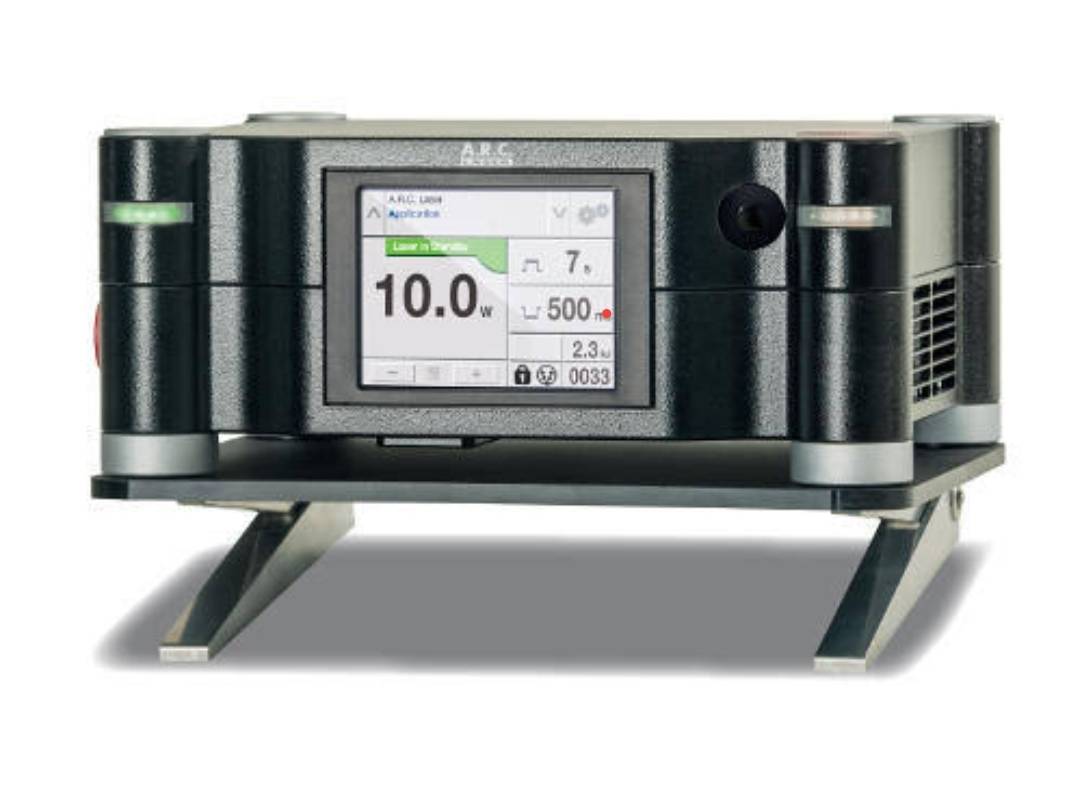 | Laser Piles Laser Fissure Surgery Laser Piles Surgery, Laser Fissure Surgery We are specialized in Laser Treatment of Fissure and Piles, It is one of the most Innovative and Painless Treatment of Piles & Fissures View product → |
Frequently asked questions
What should a general surgeon check before recommending piles surgery?
The surgeon should confirm that bleeding and prolapse come from haemorrhoids, assess haemorrhoid grade and location, and ask about bowel habits, constipation, straining, pain, anaemia symptoms, weight loss, altered bowel habits and colorectal cancer family history.
What does MIPH treat, and when is it the wrong operation?
MIPH, or stapled haemorrhoidopexy, treats selected internal haemorrhoids with prolapse by lifting prolapsed tissue. It is not the right choice for every external haemorrhoid, thrombosed pile, extensive mixed disease or condition requiring tissue removal.
How do MIPH, laser treatment and other piles procedures compare?
MIPH, laser procedures, rubber-band ligation, Doppler-guided haemorrhoidal artery ligation and haemorrhoidectomy differ in what tissue they treat, anaesthesia, postoperative pain, recurrence risk and recovery time. The best comparison depends on haemorrhoid grade and symptoms.
What questions should you ask before choosing a piles surgeon?
Ask which diagnosis and haemorrhoid grade you have, why the proposed procedure fits, what alternatives exist, whether anaesthesia is needed, expected pain and recovery, recurrence risk, total follow-up plan and the surgeon’s experience with each option.
Related service
Morvyat we are specialized in Painless morvyat- piles surgery View service → |