Laser treatment is suitable for some internal haemorrhoids, but the word “laser” does not determine the right operation. By the end, you will know which examination findings affect laser piles surgery eligibility, how laser compares with other piles surgery options, and what to ask a surgeon before choosing treatment.
Key takeaways
- Grade III and IV haemorrhoids need careful assessment before laser treatment.
- Confirm that haemorrhoids, not fissure or fistula, cause your symptoms.
- Compare pain, recurrence, recovery time and prolapse control before choosing.
- Check the surgeon’s experience with laser and non-laser piles procedures.
What makes you eligible for laser piles surgery?
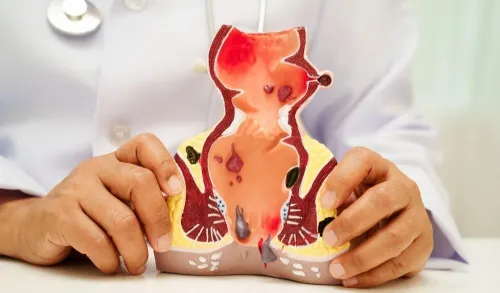
Laser piles surgery eligibility depends on the diagnosis, haemorrhoid grade, degree of prolapse and treatment goal—not on laser being newer. A surgeon confirms that internal haemorrhoids cause the symptoms and grades them: grade I stays inside, grade II comes out with straining but returns alone, grade III needs manual replacement, and grade IV remains outside.
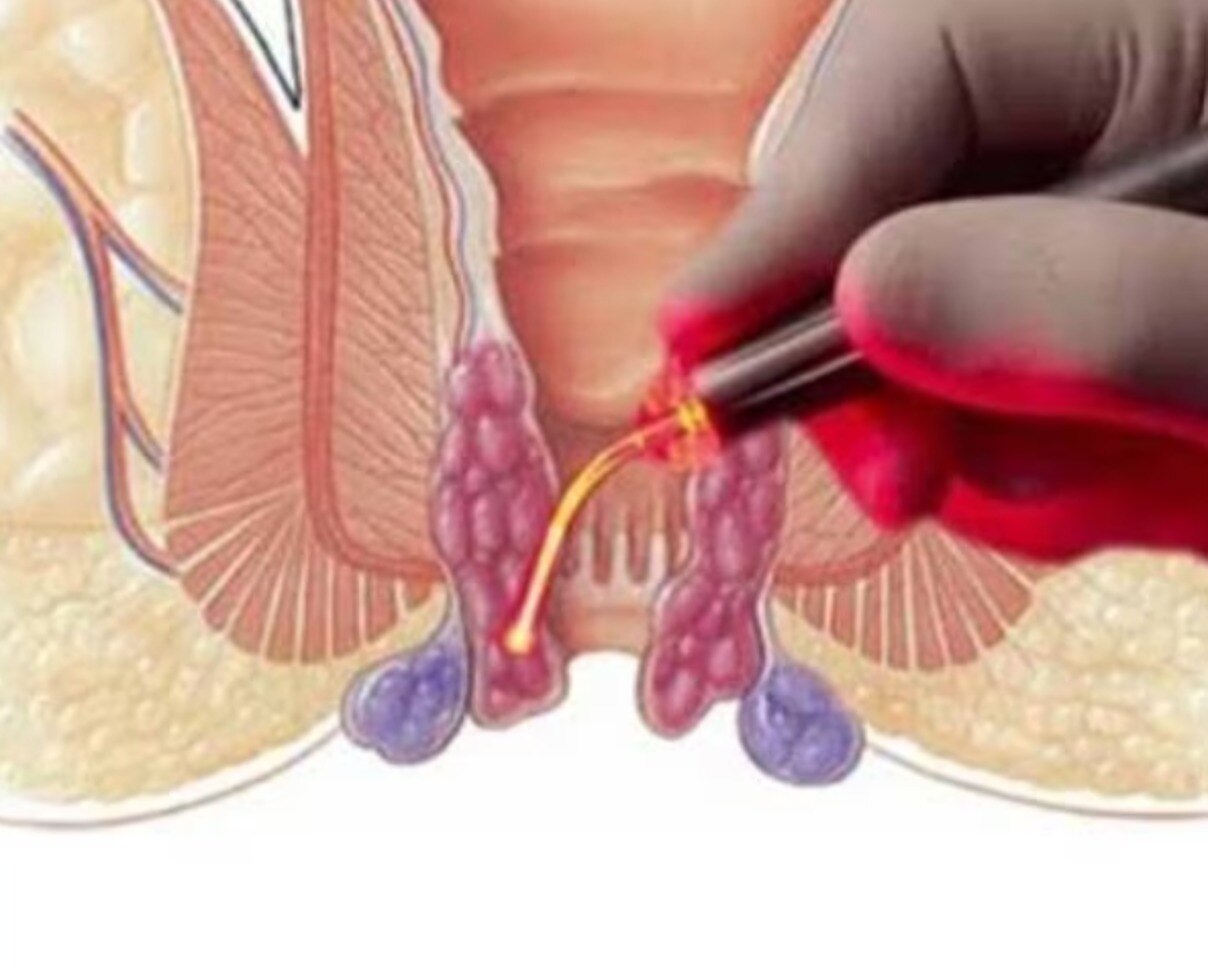
Laser haemorrhoidoplasty uses a probe to deliver energy inside the haemorrhoidal tissue, shrinking or coagulating it while aiming to preserve the anal lining. It is not laser excision, and “laser piles surgery” describes different techniques, settings and approaches to prolapse.
A general surgeon assesses these eligibility factors:
- Bleeding or discomfort continues after fibre, fluids, bowel-habit changes and medicines.
- The piles are mainly internal, with limited or suitable prolapse for the proposed technique.
- External haemorrhoids, a thrombosed lump or substantial excess skin will not be left untreated by mistake.
- Recurrent bleeding has been investigated, including a blood count when anaemia is possible.
- The expected benefit outweighs the chance of recurrence or another procedure.
Laser is not a treatment for an anal fissure, fistula, abscess, rectal prolapse or unexplained bleeding. Heavy bleeding, black stools, dizziness, fainting, fever, severe pain, weight loss or a new bowel-habit change requires prompt assessment.
The phrase best general surgeon piles is not a medical classification. Choose a surgeon who explains the grade, alternatives and follow-up rather than presenting laser as automatically superior.
Which examination findings can change the recommendation?
A surgeon should confirm the source of bleeding, pain, itching or prolapse before deciding on laser piles surgery eligibility. Symptoms alone cannot distinguish haemorrhoids from an anal fissure, fistula, abscess, rectal prolapse or a bowel condition.
The assessment should include:
- A history of bleeding colour and amount, bowel-habit changes, weight loss, fever, dizziness, anaemia, previous treatment and family history of bowel disease.
- Inspection for an external haemorrhoid, thrombosis, fissure, fistula opening, abscess, skin disease and prolapsed tissue.
- A digital rectal examination to assess tenderness, masses, sphincter tone and blood.
- Anoscopy or proctoscopy to identify internal haemorrhoids, their bleeding point and prolapse grade.
- Colonoscopy when age, screening status, persistent bleeding, anaemia, weight loss or altered bowel habits justify examining the colon.
| Finding | How it changes the recommendation |
|---|---|
| Grade I or II internal haemorrhoids | Medicines, fibre, fluids or office treatment may be enough; laser is not automatically necessary. |
| Reducible grade III prolapse | Laser may be considered, but the amount of prolapse and recurrence risk need discussion. |
| Fixed grade IV prolapse or major mucocutaneous prolapse | Excisional or another prolapse-directed operation may suit better. |
| Large external component or thrombosis | Laser does not remove all external tissue; another treatment may be required. |
| Fissure, abscess, fistula or unexplained mass | Treat or investigate that condition instead of labelling symptoms as piles. |
Heavy bleeding, black stools, fainting, fever, severe pain or a non-reducible lump needs prompt medical assessment.
How do laser treatment and other piles procedures compare?
Laser haemorrhoidoplasty is not one standard operation: a probe delivers energy inside the haemorrhoid, while the surgeon may or may not address prolapse or external disease. Compare these piles surgery options by grade, bleeding, prolapse, external components and previous treatment failure.
| Option | Consider it instead of laser when | Main trade-off |
|---|---|---|
| Fibre and medicines | Symptoms are mild, bleeding is limited, and constipation or straining drives grade I disease | It will not correct persistent prolapse |
| Rubber-band ligation | Grade I or II internal piles, or selected grade III piles, can be treated in the clinic | It can cause pain or bleeding and rarely serious infection |
| Injections | Small, bleeding grade I piles need office-based treatment | Prolapse responds poorly, and repeat treatment is common |
| Infrared coagulation | Small grade I or early grade II internal haemorrhoids cause bleeding | It is less suitable for large prolapsing piles |
| MIPH | Prolapsing internal piles need a stapler-based minimally invasive operation | It does not remove external haemorrhoids and recurrence can exceed excision |
| Stapled haemorrhoidopexy | Internal prolapse is prominent and lower early pain matters | It lifts tissue rather than removing external disease; recurrence can be higher |
| Conventional haemorrhoidectomy | Grade III or IV prolapse, large external components, thrombosis or recurrent symptoms need complete removal | Recovery is usually more painful and slower |
| Laser treatment | Internal piles suit tissue-shrinking treatment and limited prolapse | Recovery may be quicker, but recurrent symptoms or another procedure remain possible |
Ask the surgeon which named technique, energy settings and follow-up plan are proposed; “laser” alone does not identify the operation.
What are the real trade-offs after laser piles treatment?
Less early pain and a quicker return to routine are the main advantages over conventional excisional haemorrhoidectomy, but laser treatment is not pain-free or risk-free. Laser haemorrhoidoplasty uses a probe inside the haemorrhoid; laser excision removes tissue, so ask which operation is actually planned.
1. Pain: Expect soreness, pressure or pain for several days, especially during bowel movements. It is often lower than after excisional surgery, but the difference depends on the technique, haemorrhoid grade and your pain control.
2. Bleeding: A small amount of blood can occur after treatment, particularly when the treated area separates or you pass stool. Heavy bleeding, clots, dizziness, fever or worsening pain needs prompt medical review.
3. Anaesthesia: Laser piles treatment in Ghatkopar is not automatically anaesthetic-free. The surgeon may use local anaesthesia, sedation, spinal anaesthesia or general anaesthesia according to the procedure, prolapse and your health.
4. Recovery: You may return to light activity sooner than after excision, but avoid straining, heavy lifting and constipation until your surgeon permits them. Recovery takes longer if infection, urinary retention or significant swelling develops.
5. Recurrence: Laser shrinks or coagulates haemorrhoidal tissue but may not correct advanced prolapse or remove external components completely. Recurrence can therefore be higher than after excisional surgery, particularly when disease is advanced.
6. Another procedure: Persistent prolapse, bleeding or recurrent symptoms can require repeat laser treatment, rubber-band ligation, stapled haemorrhoidopexy or conventional surgery. Compare these piles surgery options before consenting, including follow-up and the plan if the first treatment fails.
How do you choose the right general surgeon in Ghatkopar?
A local consultation should give you more than a laser recommendation. Check the surgeon’s registration, surgical training and experience treating haemorrhoids, then ask for your diagnosis, internal haemorrhoid grade and any external component in plain language.
Search labels such as best general surgeon piles do not guarantee suitability; the best general surgeon for laser piles treatment in ghatkopar is the one who can explain alternatives and limits.
Ask these questions before consenting:
- Is laser haemorrhoidoplasty, rather than laser excision, being proposed? Where will the probe deliver energy, and how will prolapse be treated?
- Why is laser preferable to medicines, rubber-band ligation, MIPH, stapled haemorrhoidopexy or conventional haemorrhoidectomy for your grade?
- What anaesthesia will you receive, and what are the quoted risks of bleeding, urinary retention, infection, recurrence and another procedure?
- How many follow-up visits are included, who handles urgent symptoms, and what is the complete cost, including tests, medicines and possible day-care charges?
| Compare | What to verify | Why it matters |
|---|---|---|
| Diagnosis | Examination and grade, with fissure, fistula, abscess or rectal prolapse excluded | Bleeding is not automatically piles |
| Experience | Proctology work and the surgeon’s results, recurrence and complication reporting | Technique and judgement affect outcomes |
| Alternatives | A treatment plan if laser is unsuitable or fails | Advanced prolapse may need another operation |
| Access | Follow-up location and response arrangements | Local care reduces delays after laser piles treatment in ghatkopar |
ChirayuHealthcare Polyclinic&Diagnostics can provide a local setting for this discussion, but use the consultation to compare evidence and options rather than accept the word “laser” as proof of the best choice.
Related product
 | Laser Piles Laser Fissure Surgery Laser Piles Surgery, Laser Fissure Surgery We are specialized in Laser Treatment of Fissure and Piles, It is one of the most Innovative and Painless Treatment of Piles & Fissures View product → |
Frequently asked questions
What makes you eligible for laser piles surgery?
Eligibility depends on confirmed internal haemorrhoids, their grade, prolapse, bleeding or pain, and your treatment goal. Grade I and II disease may respond to office procedures, while grade III and IV disease needs a more detailed surgical assessment.
Which examination findings can change the recommendation?
A surgeon may change the plan after finding an anal fissure, fistula, abscess, external haemorrhoid, rectal prolapse or another cause of bleeding. The examination also assesses whether prolapsed tissue returns on its own or needs manual replacement.
How do laser treatment and other piles procedures compare?
Laser procedures can involve smaller treatment areas and a shorter recovery for selected patients, but they do not suit every grade or type of haemorrhoid. Rubber-band ligation, sclerotherapy, haemorrhoidectomy and stapled procedures differ in pain, recurrence risk, recovery and control of prolapse.
What are the real trade-offs after laser piles treatment?
You must weigh recovery time and postoperative discomfort against the possibility of persistent or recurrent prolapse, bleeding, repeat treatment and follow-up visits. Ask the surgeon which outcome the recommended procedure is designed to improve.
How do you choose the right general surgeon in Ghatkopar?
Choose a surgeon who confirms the diagnosis, explains your haemorrhoid grade, compares laser with other piles surgery options, discusses complications and provides a clear follow-up plan. Ask about experience with both laser and conventional procedures.