Appendicitis is diagnosed by combining your symptoms, abdominal examination, blood and urine tests, and imaging when the findings are uncertain. Knowing what happens next—from triage and consent through surgery, pathology, discharge, and wound recovery—helps you ask better questions and recognise when the single-incision approach is unsuitable.
Key takeaways
- CT, ultrasound, blood tests, and examination help confirm appendicitis.
- Tell the surgeon about pregnancy, medicines, allergies, and previous abdominal operations.
- SILS uses one navel incision but can change to standard laparoscopy for safety.
- Plan for wound care, activity limits, and follow-up during appendectomy recovery.
How doctors confirm appendicitis before recommending surgery
Pain that starts near the navel and moves to the lower right abdomen is a classic clue, especially with loss of appetite, nausea, vomiting, fever, or pain that worsens when you walk or cough. Diarrhoea, urinary discomfort, or pain in an unusual location can occur, particularly in children, pregnancy, or older adults.
1. An appendix surgeon combines your history with examination findings rather than relying on one symptom. Tenderness at McBurney’s point, guarding, rebound pain, abdominal rigidity, or pain triggered by movement increases suspicion. The examination also helps detect an alternative problem, such as a kidney stone, urinary infection, ovarian condition, or bowel disease.
2. A complete blood count may show raised white cells, especially neutrophils, and C-reactive protein measures inflammation. Urine testing helps identify urinary infection or blood from a stone. Normal white-cell and CRP results do not exclude early appendicitis.
3. Ultrasound can show a swollen, non-compressible appendix without radiation and is useful for children and pregnancy. CT is more detailed when the diagnosis remains uncertain or complications are suspected; it can reveal an enlarged appendix, an appendicolith, perforation, gangrene, fluid, or an abscess.
These findings help classify appendicitis as uncomplicated or complicated. Perforation, gangrene, an abscess, widespread tenderness, fever, or unstable vital signs changes antibiotic, drainage, surgical-timing, and admission decisions.
What happens from emergency admission to the operating decision
At emergency admission, triage establishes how quickly you need treatment. Staff check blood pressure, pulse, temperature, oxygen level, pain, vomiting, dehydration, and abdominal tenderness. Tell them about allergies, medicines, previous operations, pregnancy possibility, and the time you last ate or drank.
Preparation usually includes:
- A cannula for intravenous fluids, blood tests, and medicines.
- Fasting in case general anaesthesia is needed.
- Pain relief and an anti-nausea medicine.
- Antibiotics before surgery when appendicitis is suspected, especially if perforation or severe infection is possible.
- Removal of jewellery, contact lenses, and dentures before theatre.
The anaesthetist reviews your medical conditions, airway, previous anaesthesia problems, allergies, and current drugs. You then consent to laparoscopic appendectomy, including single-incision surgery when suitable, while acknowledging that extra ports or an open operation may be safer. Ask who will provide anaesthesia and whether the facility can manage emergency abdominal surgery.
The operating decision depends on examination, imaging, blood results, and your response during observation—not on a preference for a smaller scar.
| Option | What happens |
|---|---|
| Urgent surgery | Proceed promptly for worsening infection, perforation, spreading peritonitis, gangrene, or uncontrolled symptoms. |
| Observation | Repeat examinations, vital signs, blood tests, and sometimes imaging for selected stable patients with uncertain or uncomplicated findings. |
| Antibiotics or drainage | Treat a contained abscess first when immediate operation carries greater risk; the surgeon explains follow-up and possible later surgery. |
How the single-incision operation works—and when it changes
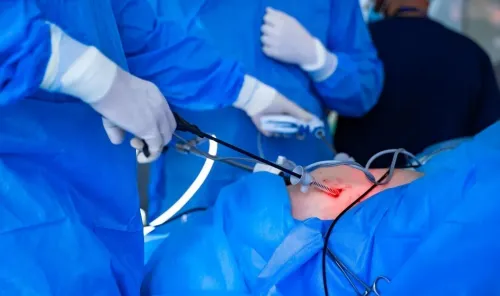
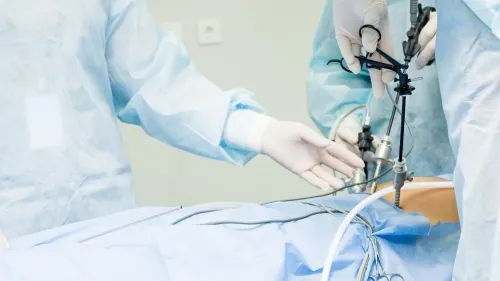
The single incision appendectomy process begins under general anaesthesia through one cut, usually within or beside the umbilicus.
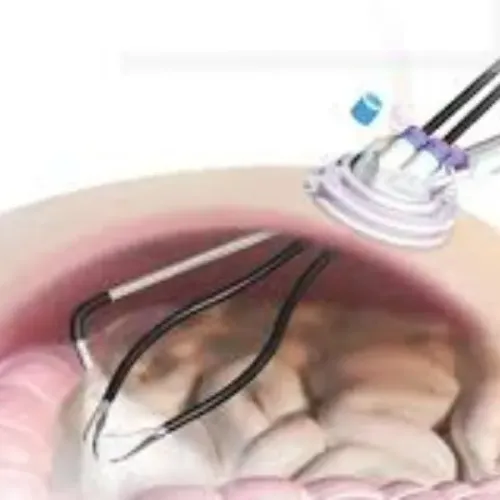
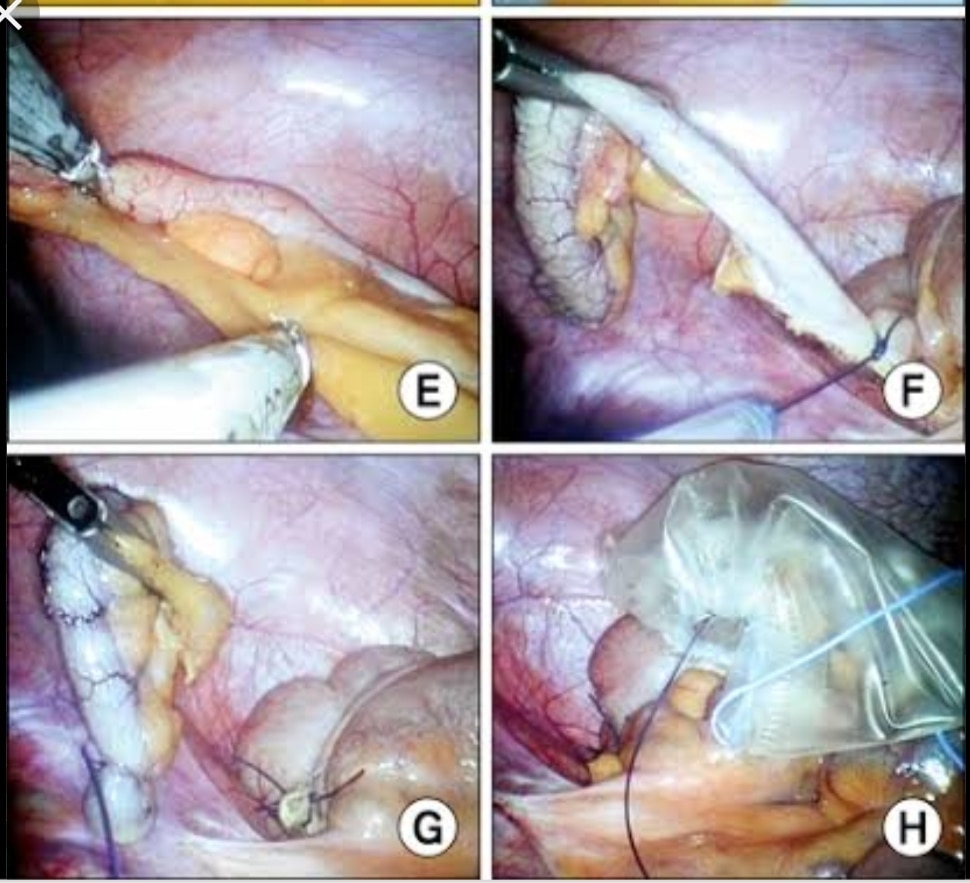
The surgeon places an access port, inflates the abdomen with carbon dioxide, and guides a laparoscope and instruments through that opening; the appendix is freed, its blood supply and base are sealed or tied, and it is divided.
- The appendix is placed in a retrieval bag and removed through the same incision, reducing contact between infected tissue and the wound.
- The surgeon checks for pus, perforation, gangrene, bleeding, and other abdominal problems before releasing the gas.
- The access site is closed with sutures, and the removed appendix is sent for histopathology. The report can confirm acute appendicitis and occasionally reveal a tumour or another condition needing follow-up.
A single scar does not guarantee less pain, faster surgery, or quicker recovery. Instrument crowding can make SILS technically harder, so the surgeon may add conventional ports when safe access or better control is needed.
Three-port laparoscopy is safer when inflammation, obesity, pregnancy, previous abdominal operations, adhesions, bleeding, or unclear anatomy limits movement through one site.
Open surgery through a larger incision may be safest when the appendix has ruptured with extensive contamination, an abscess cannot be managed laparoscopically, or the surgeon cannot identify and protect nearby bowel, blood vessels, or other organs. Conversion is a safety decision, not a failed operation.
Discharge checks and the appendectomy recovery timeline
Discharge usually follows clinical recovery, not the end of surgery. After an uncomplicated laparoscopic appendectomy, many patients leave the same day or next day; perforation, abscess, open conversion, uncontrolled symptoms, or other medical problems require longer observation.
- Stable blood pressure, pulse, breathing, and alertness after anaesthesia
- Pain and nausea controlled with prescribed medicines
- Drinking without repeated vomiting
- Walking safely, without faintness
- Passing urine
- No finding that requires intravenous antibiotics, drainage, or further treatment
| Milestone | Uncomplicated laparoscopic case | Perforation, abscess, or open conversion |
|---|---|---|
| Walking | Within hours; increase gradually | Delayed by pain or weakness |
| Desk work | Often 1–2 weeks | Longer, according to symptoms and wound healing |
| Exercise and lifting | Light activity early; heavier lifting waits for surgical clearance | Restrictions usually last longer |
| Hospital stay | Same day or next day is common | Often several days or more |
Do not drive until you can brake and turn comfortably, are not taking opioid pain medicine, and your surgeon permits it; this is often about one to two weeks. Shower when the dressing instructions allow, but avoid baths, swimming, and soaking until the wound is sealed.
Arrange wound review according to the surgeon’s plan, commonly within 7–14 days. Ask when the histopathology report will be available; it confirms the diagnosis and can occasionally require follow-up beyond routine wound care. This is the practical appendectomy recovery timeline, not a fixed promise.
Questions to ask before choosing SILS appendectomy in Ghatkopar
Ask for the surgeon’s actual laparoscopic appendectomy experience, not a claim that SILS is “advanced.” Confirm who provides general anaesthesia, whether the facility can monitor you after surgery, and where you go if emergency abdominal surgery or intensive care is needed.
- How many laparoscopic appendectomies does the surgeon perform each year, and how often is SILS selected?
- What findings would make you a poor SILS candidate, such as perforation, abscess, severe inflammation, previous abdominal operations, pregnancy, or difficult anatomy?
- If bleeding occurs or the appendix cannot be safely reached, will the surgeon add ports or convert to open surgery without delaying treatment?
- If the appendix is perforated, what is the plan for abdominal washout, intravenous antibiotics, drainage, and overnight observation?
- Will the removed appendix go to a named pathology laboratory, and when will you receive the report?
- Who handles fever, worsening pain, vomiting, wound infection, bleeding, or an abscess after discharge, and where is readmission arranged?
- At ChirayuHealthcare Polyclinic&Diagnostics, ask which anaesthesia and emergency-surgery arrangements apply before consenting.
Compare the answers against these standards:
| Question | Reassuring answer | Warning sign |
|---|---|---|
| Facility backup | Named anaesthetist, monitoring, and receiving hospital | “We will decide if something happens” |
| Conversion | Consent for extra ports or open surgery | Pressure to remain single-incision |
| Perforation | Antibiotics, drainage plan, and longer observation | Same-day discharge promised for every case |
Related products
 | Sils SILS/Scarless Appendectomy (Single incision laparoscopic Appendectomy) SILS Appendectomy is an advanced minimal invasive surgery in which surgery is done exclusively through single incision instead of 3 incisions in... View product → |
 | Appendectomy Appendectomy |
Frequently asked questions
How do doctors confirm appendicitis before recommending surgery?
An appendix surgeon combines your symptoms and abdominal examination with blood tests and imaging. Ultrasound or CT can show an enlarged, inflamed appendix, an abscess, or another cause of pain.
What happens from emergency admission to the operating decision?
The team checks your vital signs, medical history, medicines, allergies, pregnancy status when relevant, and examination findings. You receive treatment such as intravenous fluids, pain relief, and antibiotics when indicated before the surgeon discusses observation, antibiotics, or appendectomy.
How does a single-incision appendectomy work, and when does it change?
In SILS appendectomy, the surgeon operates through one incision, usually at the navel, using a camera and specialised instruments. The surgeon can add ports or convert to open surgery when severe inflammation, perforation, bleeding, adhesions, or limited visibility makes that safer.
What is the appendectomy recovery timeline?
After surgery, staff check pain, nausea, fever, breathing, urination, walking, and your ability to drink. Recovery includes wound care and activity restrictions, with urgent review for worsening pain, persistent vomiting, fever, redness, drainage, or wound separation.
What should you ask before choosing SILS appendectomy in Ghatkopar?
Ask which operation the surgeon recommends and why, what happens if SILS is not safe, which anaesthesia team and hospital will provide care, expected admission length, total costs, follow-up arrangements, and whom to contact after discharge.